
Maximize Value & Sustainability
Transforming Underutilized Spaces
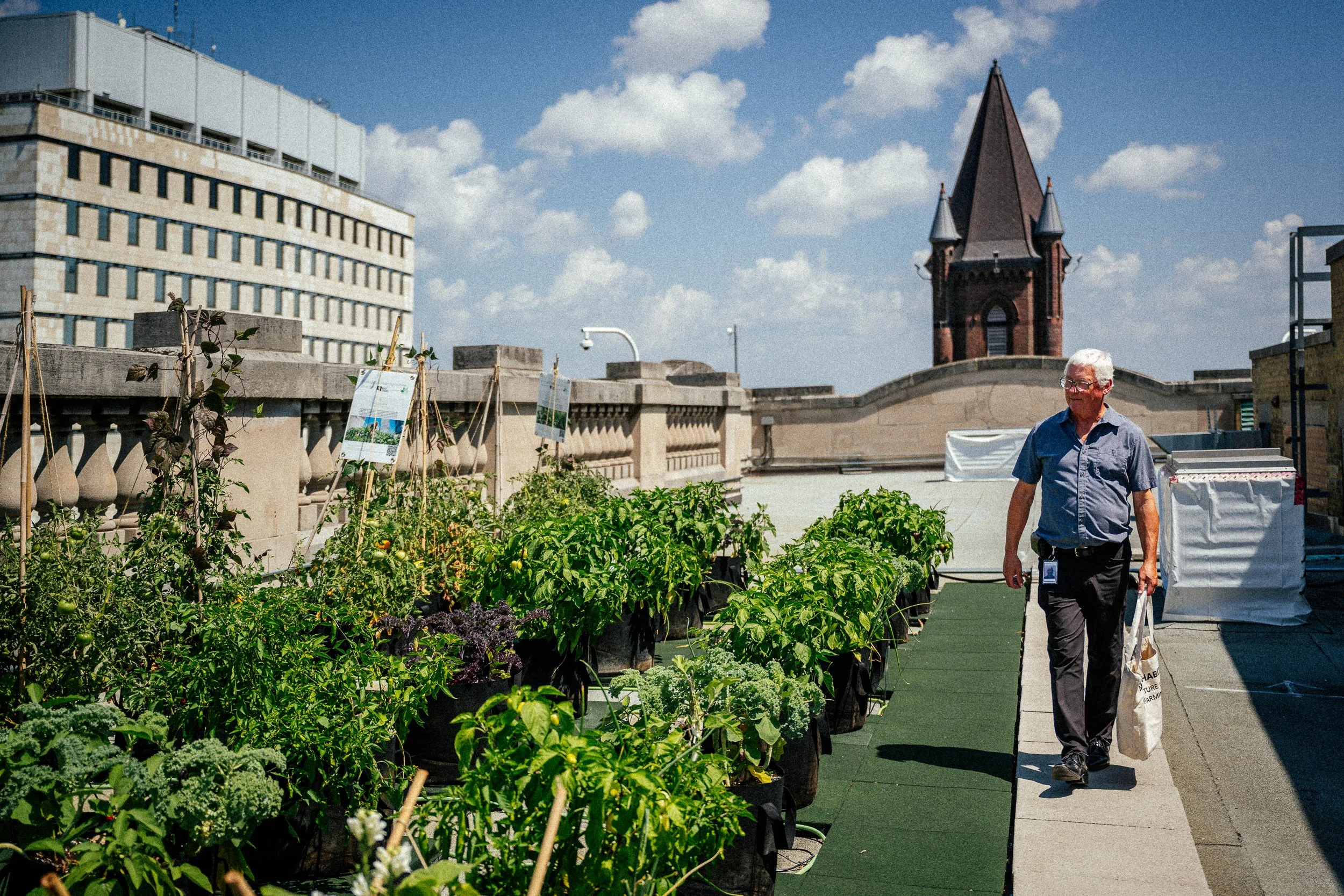
In today's competitive real estate market, maximizing financial performance is crucial. MicroHabitat's urban farming solutions offer an innovative approach to transforming underutilized spaces into productive green areas, yielding substantial financial returns. By converting rooftops, vacant lots, and other underused spaces into vibrant urban farms, property owners can significantly enhance their net operating income (NOI).
These urban farms not only create visually appealing green spaces but also attract more visitors, thereby increasing property foot traffic. Higher visitor rates lead to improved tenant retention and occupancy levels, directly influencing rental income. Additionally, the presence of urban farms can reduce operational costs related to energy consumption and waste management, offering further financial benefits to property owners and managers.
Enhancing Tenant Retention through Community Engagement
Tenant retention is a critical factor in maintaining financial stability in real estate. MicroHabitat’s urban farms play a pivotal role in enhancing tenant satisfaction and engagement. These green spaces offer tenants a chance to connect with nature, participate in community gardening activities, and enjoy fresh, locally-grown produce. These experiences foster a sense of community and well-being, making tenants more likely to renew their leases.
Engaged and satisfied tenants are less likely to move, reducing turnover rates and the associated costs of finding new tenants. By investing in urban farming, property owners demonstrate their commitment to creating a sustainable and community-oriented living environment, which significantly contributes to tenant retention.
Boosting Property Value with Sustainable Practices
Sustainable practices in real estate are no longer optional; they are essential. MicroHabitat’s urban farming solutions elevate property value by integrating eco-friendly and visually appealing green spaces. Properties with urban farms are perceived as more desirable, leading to higher market values and rental rates. The integration of urban farms can also qualify properties for various sustainability certifications, providing an added layer of prestige and marketability.
These certifications are increasingly important as investors and tenants prioritize sustainability in their decision-making processes. By adopting urban farming, property owners can position their assets as leaders in environmental stewardship, attracting high-quality tenants and investors who value sustainability.
Elevating ESG Scores and Green Certifications
Environmental, Social, and Governance (ESG) criteria are becoming increasingly important for attracting investors and meeting regulatory requirements. MicroHabitat’s urban farming solutions significantly enhance a property’s ESG performance. These initiatives promote environmental stewardship by improving biodiversity and supporting native pollinators and plant species.
Moreover, urban farms contribute to higher Global Real Estate Sustainability Benchmark (GRESB) scores, enhancing a property’s reputation and marketability. These sustainable practices also support carbon reduction strategies, helping properties meet environmental regulations and achieve sustainability goals. By adopting urban farming, property owners can demonstrate their commitment to ESG principles, attracting more investors and tenants who prioritize sustainability.
At MicroHabitat, we believe in the power of thoughtful change. Our urban farming solutions do more than transform properties; they create meaningful value for everyone involved. By integrating these living spaces, you not only see tangible financial gains and higher property values but also nurture communities where tenants feel welcomed, cared for, and inspired to stay. With each flourishing garden, we set a new standard for environmental leadership and heartfelt community connections together. Let’s reimagine our cities, one rooftop, one garden, and one smile at a time, so that each day is filled with fresher food, cleaner air, and a true sense of belonging.
