Why Local Food Production Matters Amid Rising Tariffs
The recent surge in tariffs on imported goods has sent shockwaves through the global economy, leaving many consumers wondering about the future of their food supply. According to MarketWatch, as trade tensions continue to escalate, local food production is becoming increasingly important for several reasons.
Part of our guide: ESG and Urban Farming: The Complete Guide.
First and foremost, local food systems provide a level of economic stability that cannot be guaranteed by international trade agreements. By producing food locally, farmers can mitigate the risks associated with tariffs, currency fluctuations, and other market uncertainties. This stability allows them to plan and invest in their operations with greater confidence.
The Benefits of Local Food Systems
Local food systems also offer a range of benefits for consumers, including fresher produce, improved nutrition, and increased food safety. According to Michigan State University, when food is produced locally, it can be harvested at the peak of freshness, reducing the need for preservatives and other additives that are often used in longer-distance transportation. The health benefits of eating local are well documented.
Furthermore, local food systems promote community development and social cohesion by connecting consumers with their local farmers and producers. This direct relationship fosters a sense of ownership and responsibility among consumers, encouraging them to support sustainable agriculture practices and advocate for policy changes that benefit their communities.
Supporting Local Food Production
So what can you do to support local food production in your area? Start by exploring your local farmers' markets, community-supported agriculture (CSA) programs, or online directories of local farms. Consider purchasing a share in a CSA program or joining a farm's subscription service to receive regular deliveries of fresh produce.
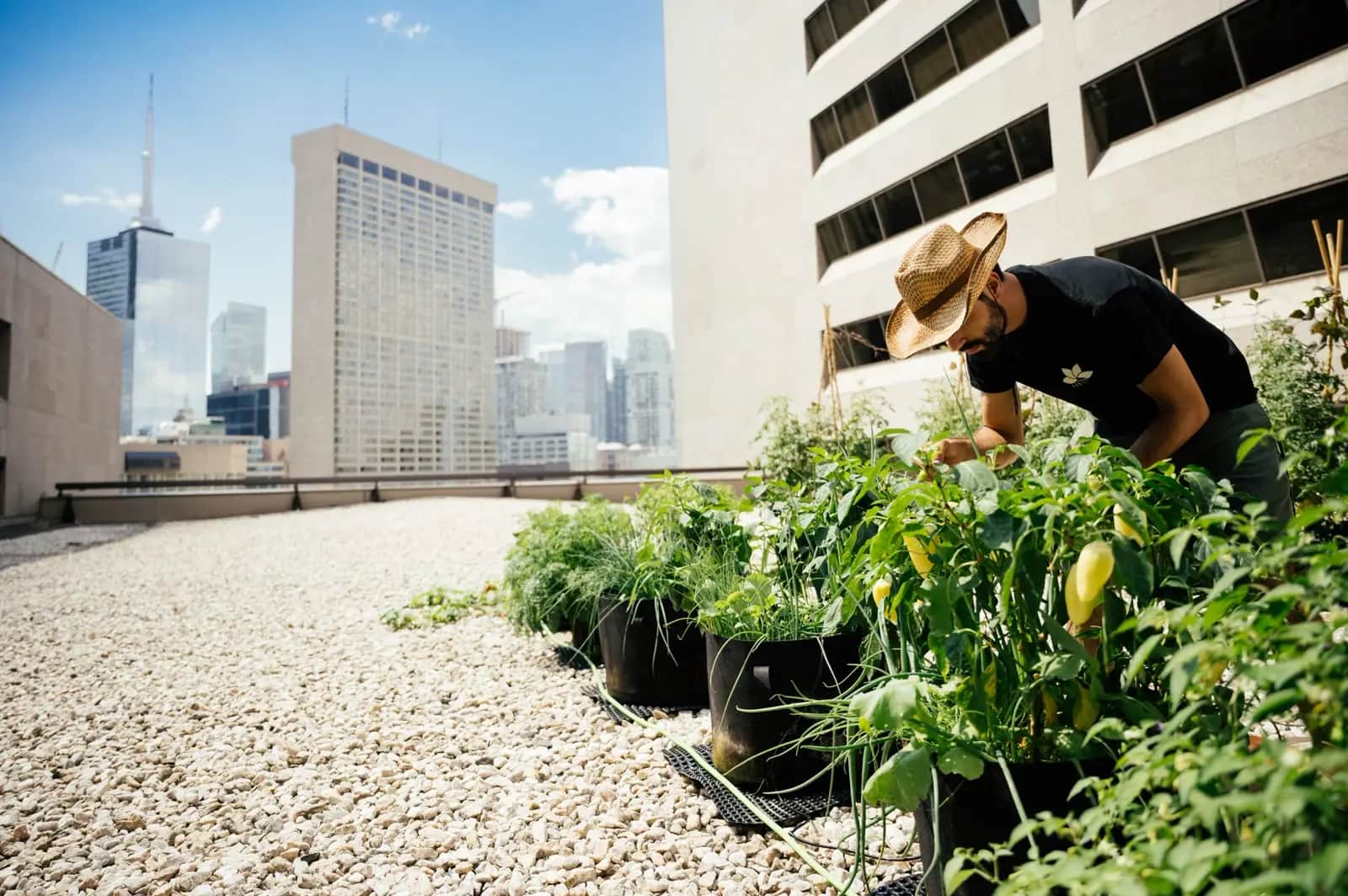
Additionally, you can advocate for policies that support local food systems, such as tax incentives for small-scale farmers, funding for agricultural education and training programs, and initiatives to promote urban agriculture and community gardens. By working together with your local government and other stakeholders, you can help create a more resilient and sustainable food system.