Green building certification reports

Measure your building's health, and make it better.

A certification is a building's health assessment. MyUrbanFarm turns your building's data into the evidence 17 certification and reporting systems ask for: drafted by AI, reviewed by our sustainability specialists, and ready for you to submit.

Answer a few questions. No account needed.

We produce the report you submit. We are not a certifying body.

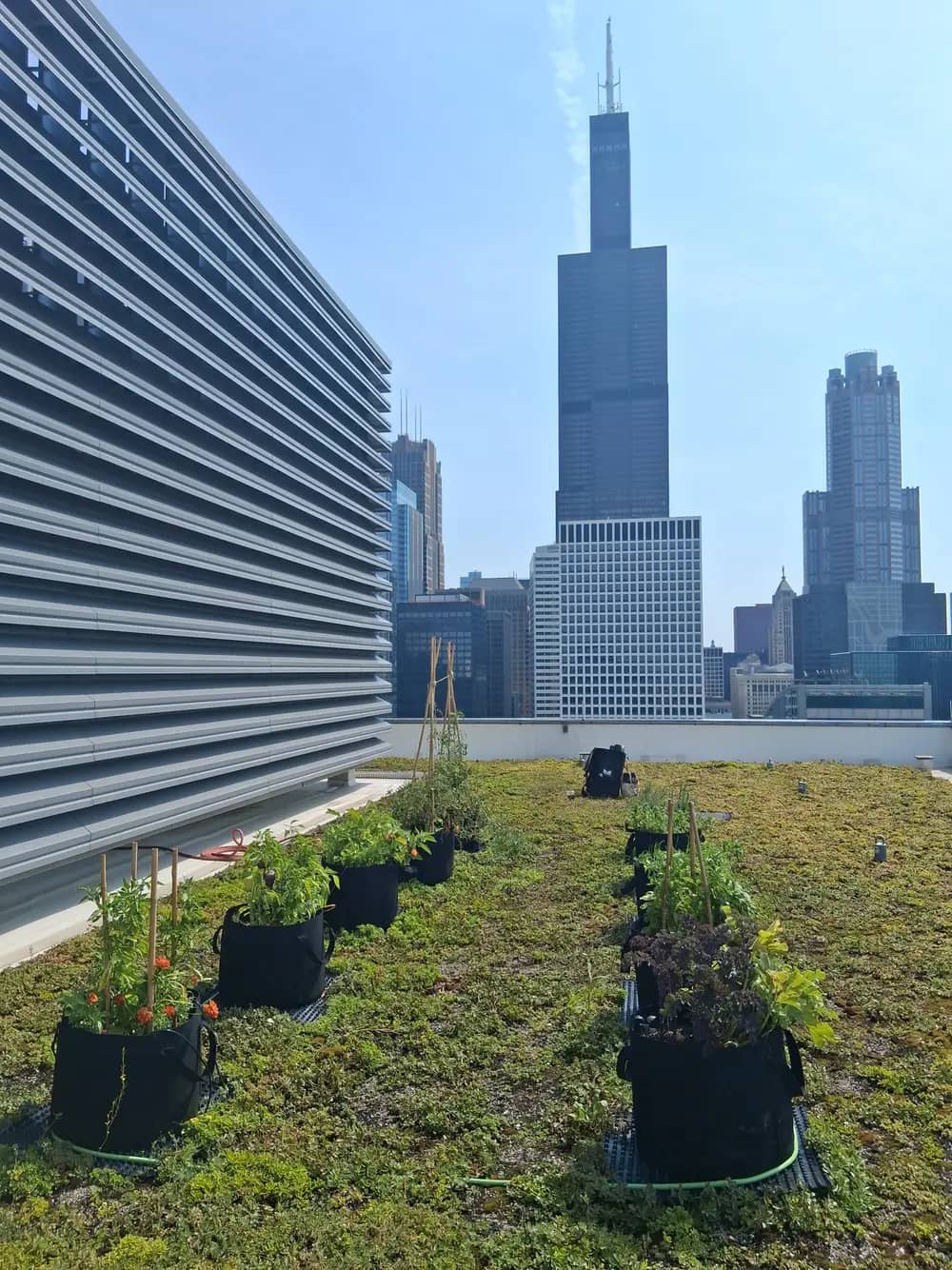
Rows of vegetables growing on a green roof, with the Chicago skyline and Willis Tower behind

Building health check

Your building

  • EnvironmentalEnergy, carbon, water, habitat
  • SocialAir, nourishment, community
  • GovernanceTracked, verified, disclosed

17 certification and reporting systems. One body of evidence.

What the numbers show

  • 3.7%

    rent premium for LEED-certified US office buildings

    CBRE, ~20,000 buildings

  • 4.4–7.7%

    higher effective rent for WELL- or Fitwel-certified space

    MIT, 407 projects

  • US$53T

    in assets held by the investors who rely on GRESB data

    GRESB, ~150 institutional investors

  • 86%

    of large companies hold public net-zero pledges

    CBRE, 225 corporate real estate executives

A MicroHabitat rooftop farm growing vegetables on an office terrace above the city

The dream behind it

Every building is alive.

It breathes air in and out, drinks water, draws power, holds hundreds of people through their working lives and shapes the block around it. Most buildings have never had a check-up.

We picture cities where every rooftop, terrace and courtyard gives more than it takes. Fresh food grown steps from the desk. Shade where there was heat. Pollinators where there was gravel. Neighbours who know each other because they harvested together. Buildings that are healthy for the planet, healthy for the people inside them, and honest about both.

Green-building certification is how that dream becomes measurable. An independent body checks measured evidence against a published standard, awards a result, and shows what to improve next.

You cannot make better what you have not measured. Certification is the measurement. Our reports are how you get there.

Who we are

The urban farming company behind the reports.

MicroHabitat designs, installs and runs farms on the rooftops, terraces and courtyards of commercial buildings. Our certification reports turn what those farms grow, and everything else your building measures, into evidence you can submit.

See how our farms work
  • 250+

    Urban Farms

  • 20+

    Cities

  • 35+

    Food Banks

  • 500,000+

    Lbs Harvested

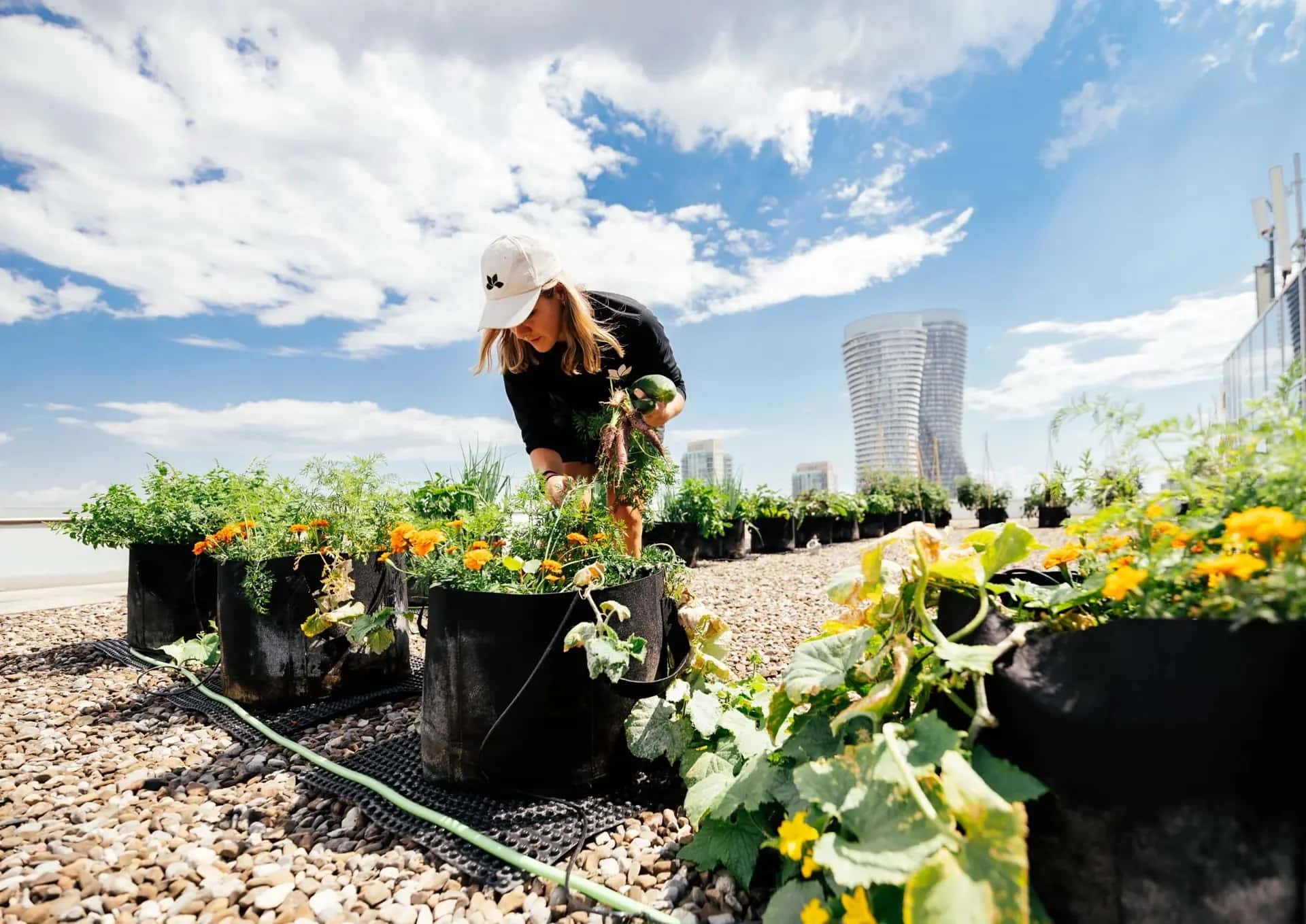
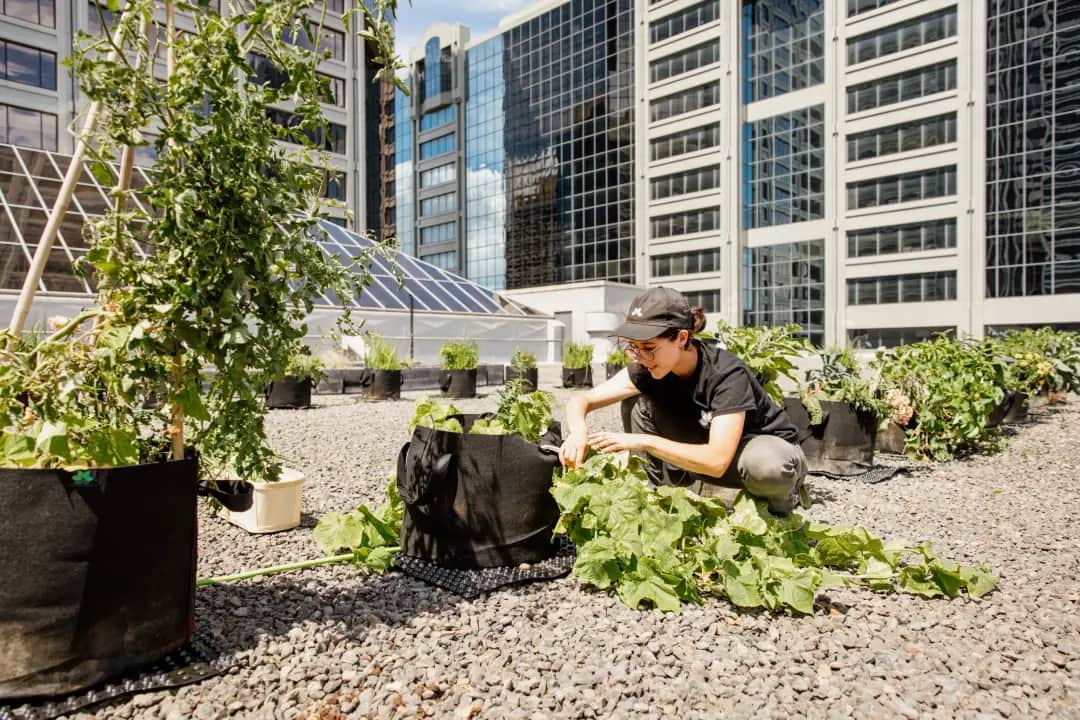
A MicroHabitat farmer tending a rooftop farm between office towers in Montréal
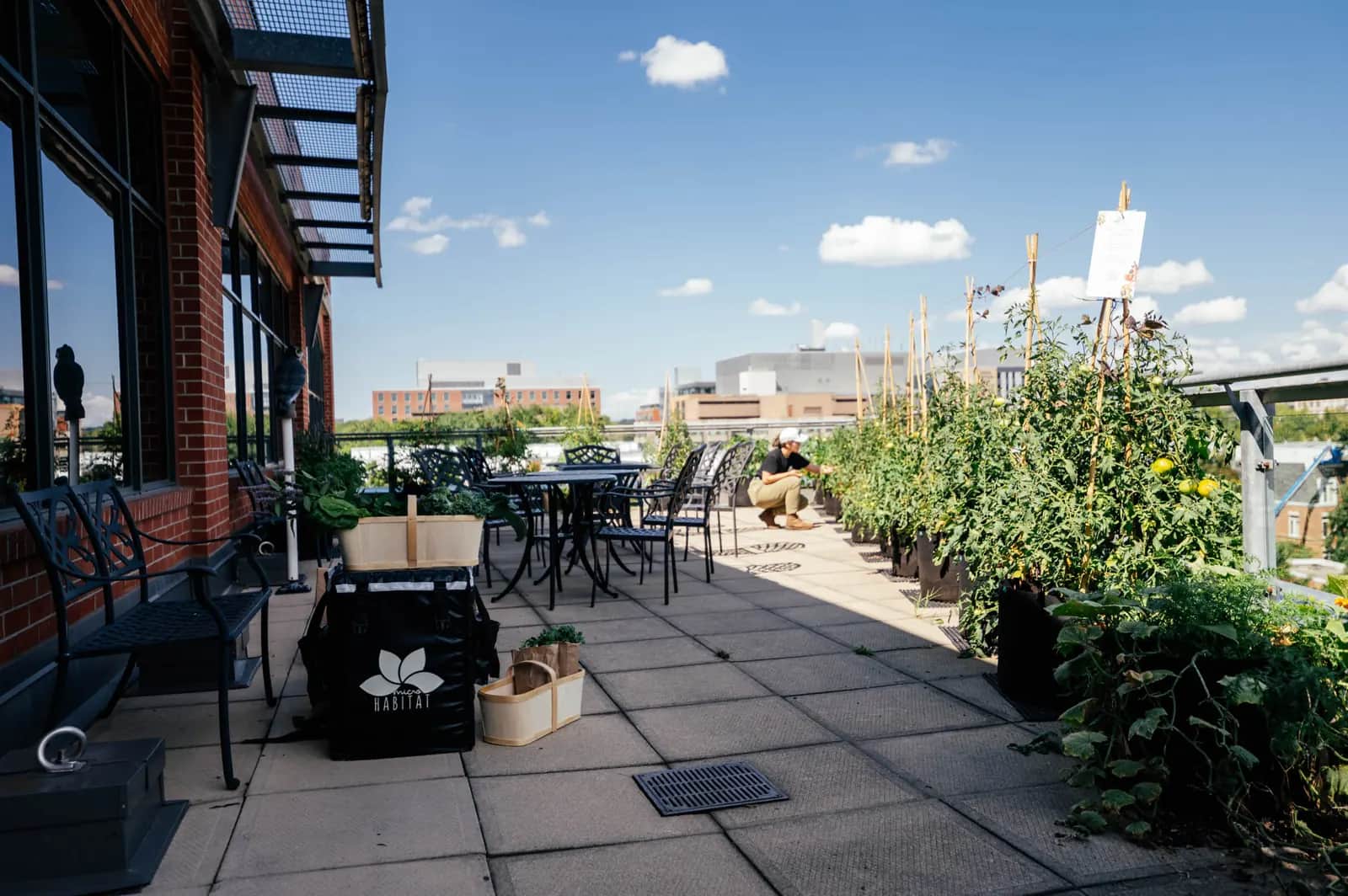
A terrace farm running along a brick office building in Toronto

Trusted by

JLL
Cushman & Wakefield
Oxford Properties
BGO
CBRE
Ivanhoé Cambridge
Triovest
CLV Group
Broccolini
Crestpoint Real Estate Investments
Boardwalk
Groupe Petra
Northam Realty Advisors
Warrington PCI Management
GWL Realty Advisors

Why owners certify

Owners certify to keep promises.

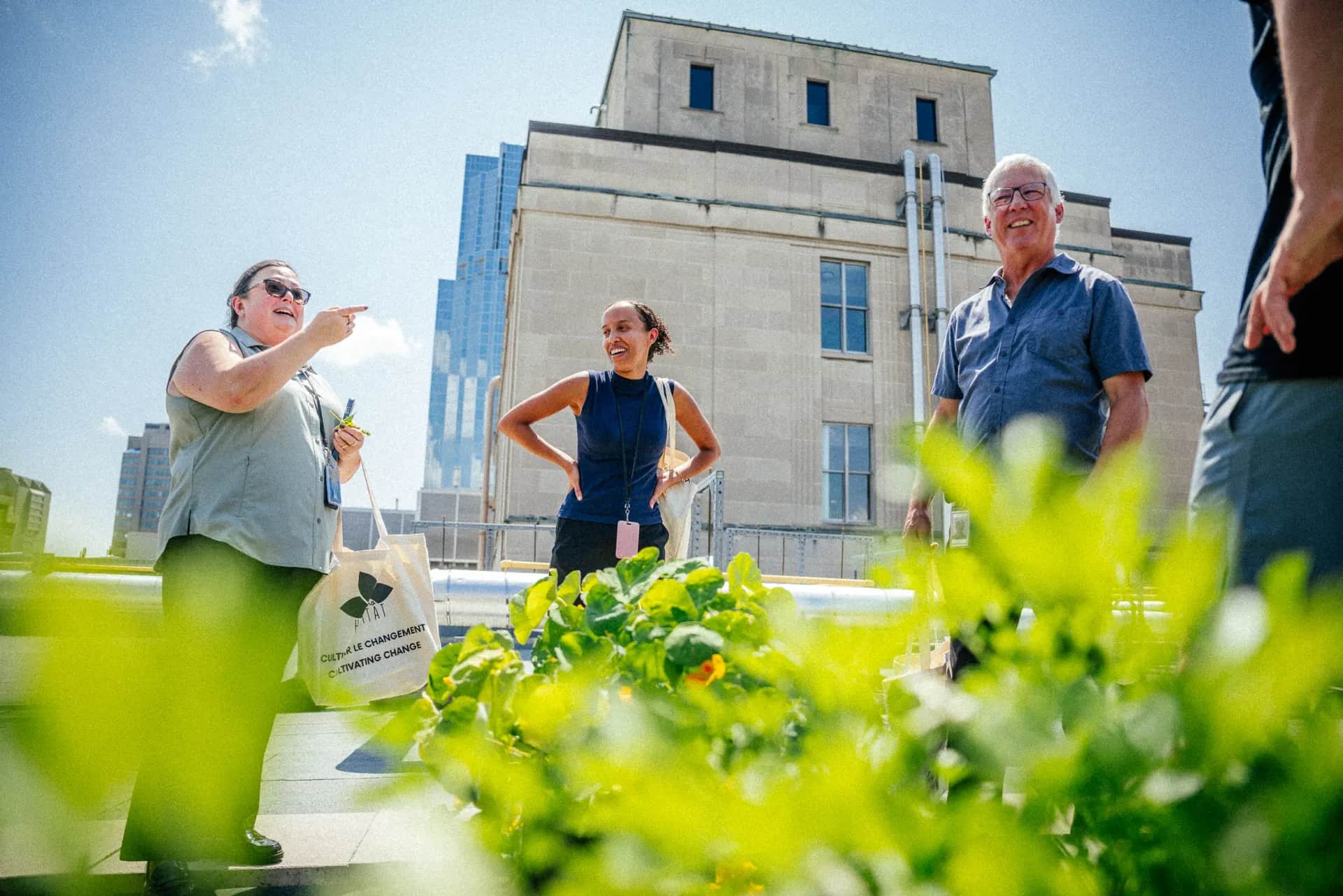
  • Tenants touring a rooftop farm with a MicroHabitat farmer

    Tenants promised their employees a healthy workplace and their shareholders a net-zero date.

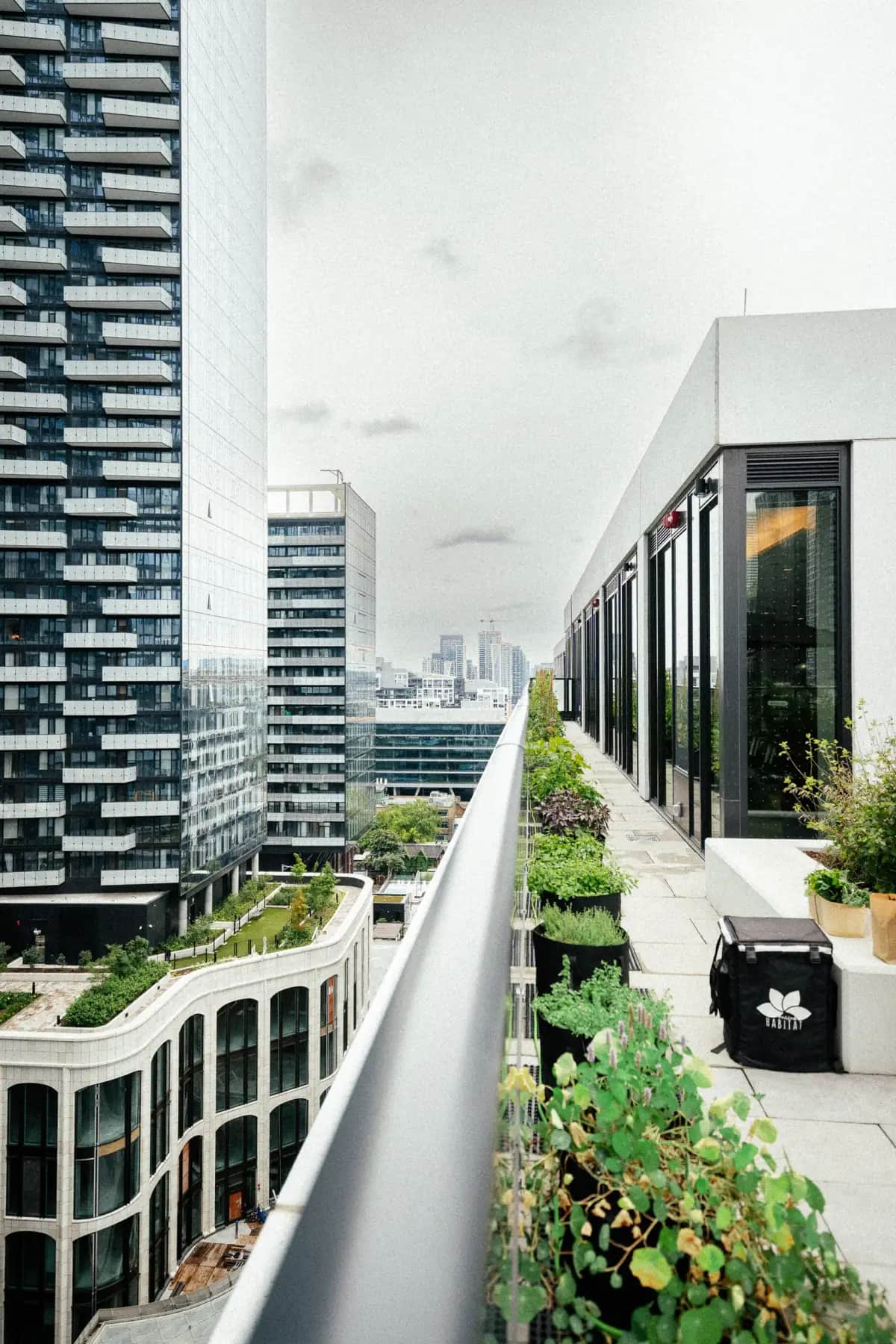
  • A terrace farm high on a residential tower, looking over the city

    Investors promised their limited partners a benchmark.

  • Residential towers rising behind a rooftop farm in Toronto

    Cities promised their residents cleaner air, and now publish building grades.

Every one of those promises is kept or broken inside a building, and the certificate is the proof that it was kept.

Health pays, too.

Certified space rents for more, sells for more, leases faster, borrows more easily and stays ahead of regulation. People and capital move toward buildings that are visibly good for them, and a certification is how that goodness becomes visible.

The three pillars of a healthy building

A healthy building stands on three pillars.

Each certification measures one or more of them, which is why a complete picture of a building's health usually takes more than one certificate.

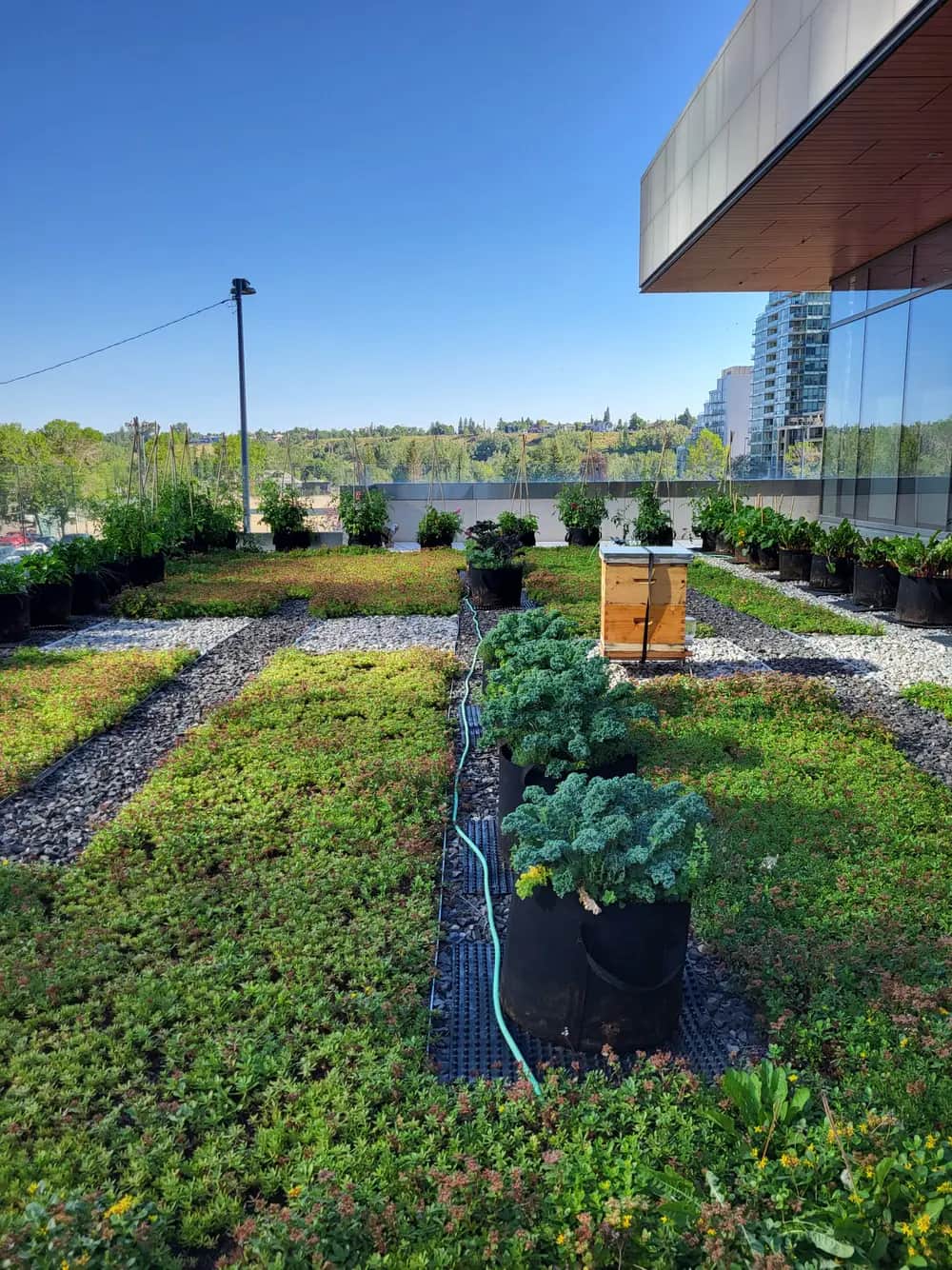
  • Sedum, kale and a beehive on a green roof in Calgary

    01Sustainability

    Environmental

    Healthy for the planet

    What it measures
    Energy and carbon, water, materials, land use and ecology, heat-island effect, waste, climate resilience.
    What healthy looks like
    A building on a credible path to net zero that returns habitat to its site instead of paving it.
    Who measures it
    • LEED
    • BREEAM
    • Green Globes
    • BOMA BEST
    • DGNB
    • HQE
    • Green Star
    • Green Mark
    • Living Building Challenge
    • SITES
    • TRUE

    What the farm brings

    A vegetated roof that cools the building, slows stormwater, restores habitat and turns organic waste into living soil on site.

  • Fresh vegetables and flowers harvested from a rooftop farm

    02Responsibility

    Social

    Healthy for people

    What it measures
    Air, light, nourishment, movement, mental health, community connection, equity and access.
    What healthy looks like
    People who eat better, move more, breathe cleaner air and feel they belong where they work.
    Who measures it
    • WELL
    • Fitwel
    • Health credits in every whole-building system

    What the farm brings

    Fresh food at the door, time outdoors, a reason to gather, and a story every tenant tells.

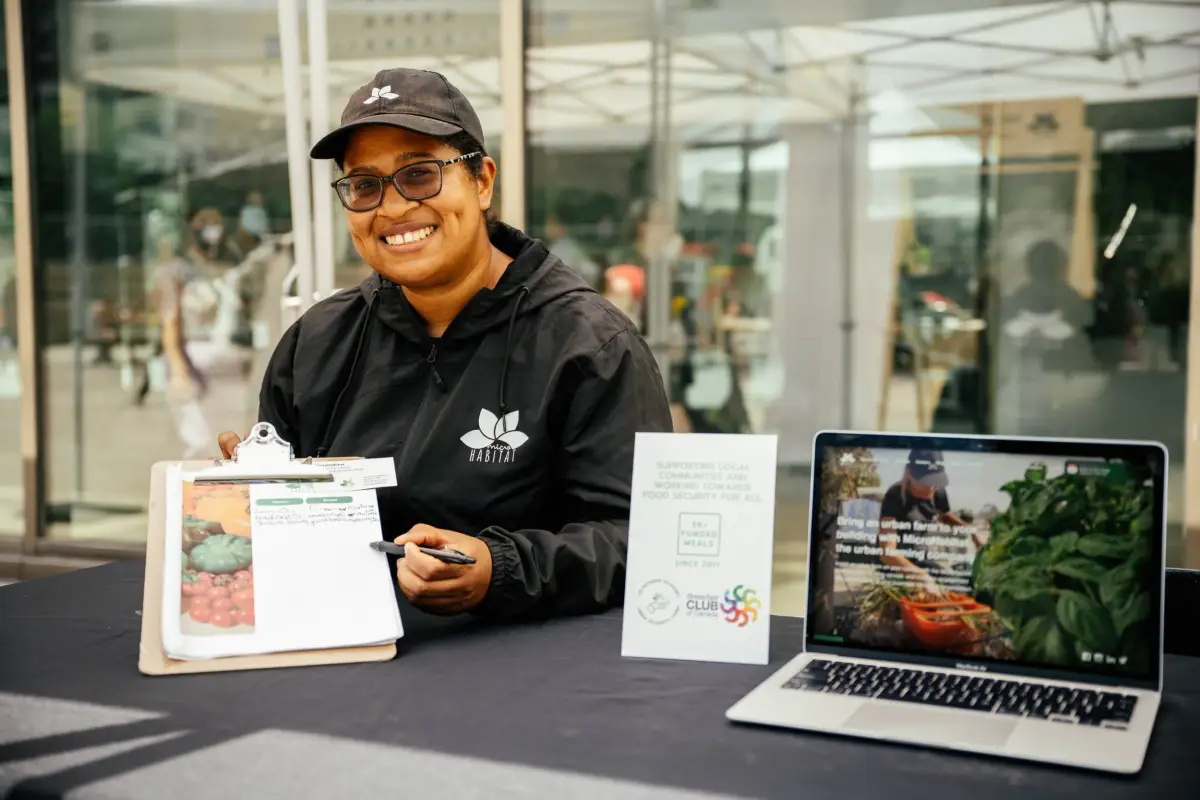
  • A MicroHabitat team member at a building kiosk with a clipboard and a laptop

    03Transparency

    Governance

    Honest about both

    What it measures
    Whether performance is tracked, verified, disclosed and improved year after year.
    What healthy looks like
    An owner who can answer any investor, regulator or tenant with dated, third-party-ready evidence.
    Who measures it
    • GRESB
    • CSRD
    • TNFD
    • Scope 3
    • Recertification in every system

    What the farm brings

    A living dataset refreshed every season: harvest weights, greened area, diversion tonnage, participation.

Find out which pillars your building can already prove.

Check your building (opens MyUrbanFarm)

On the roof

Rooftop farms MicroHabitat installs and runs, on buildings across North America.

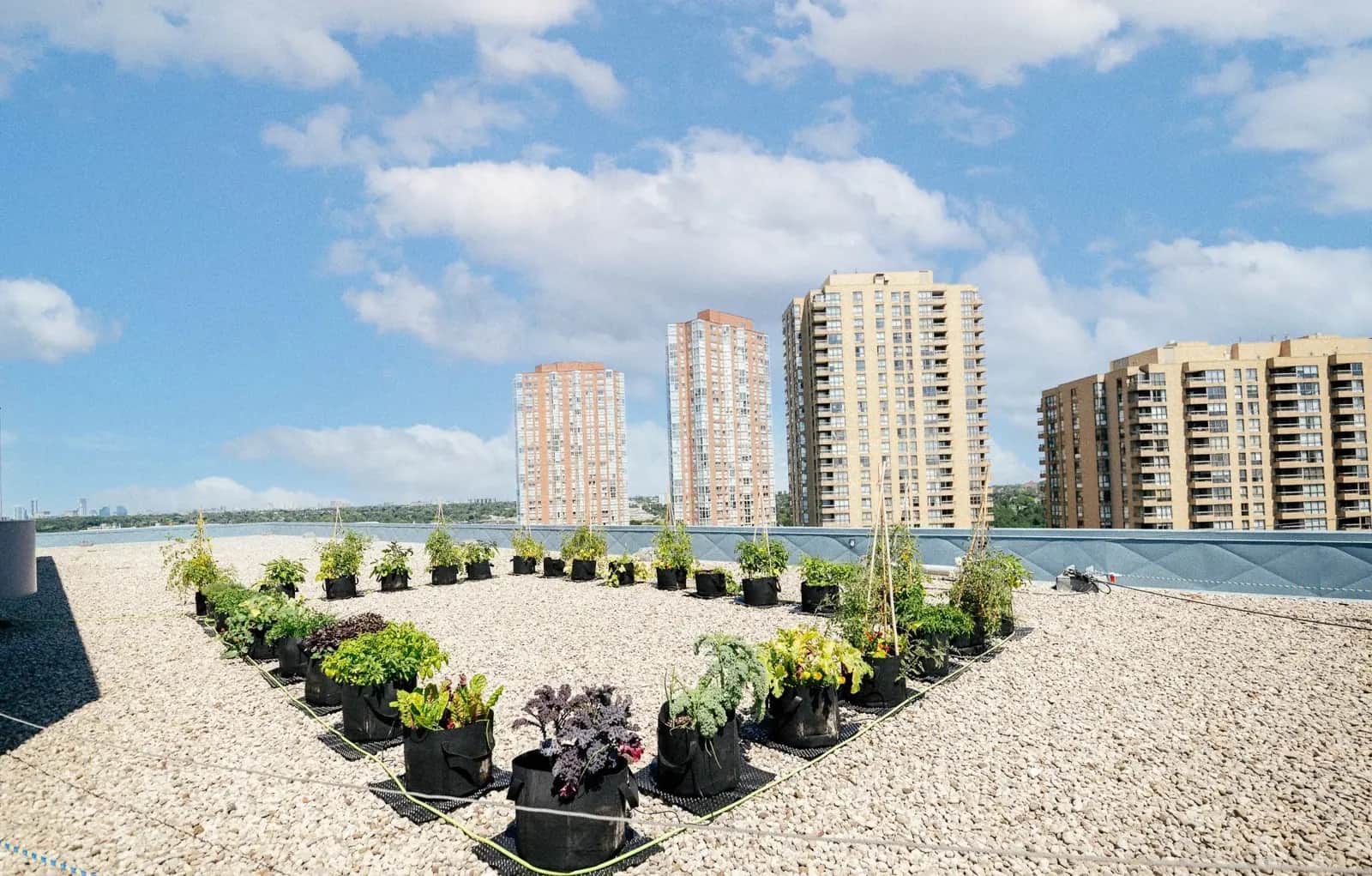
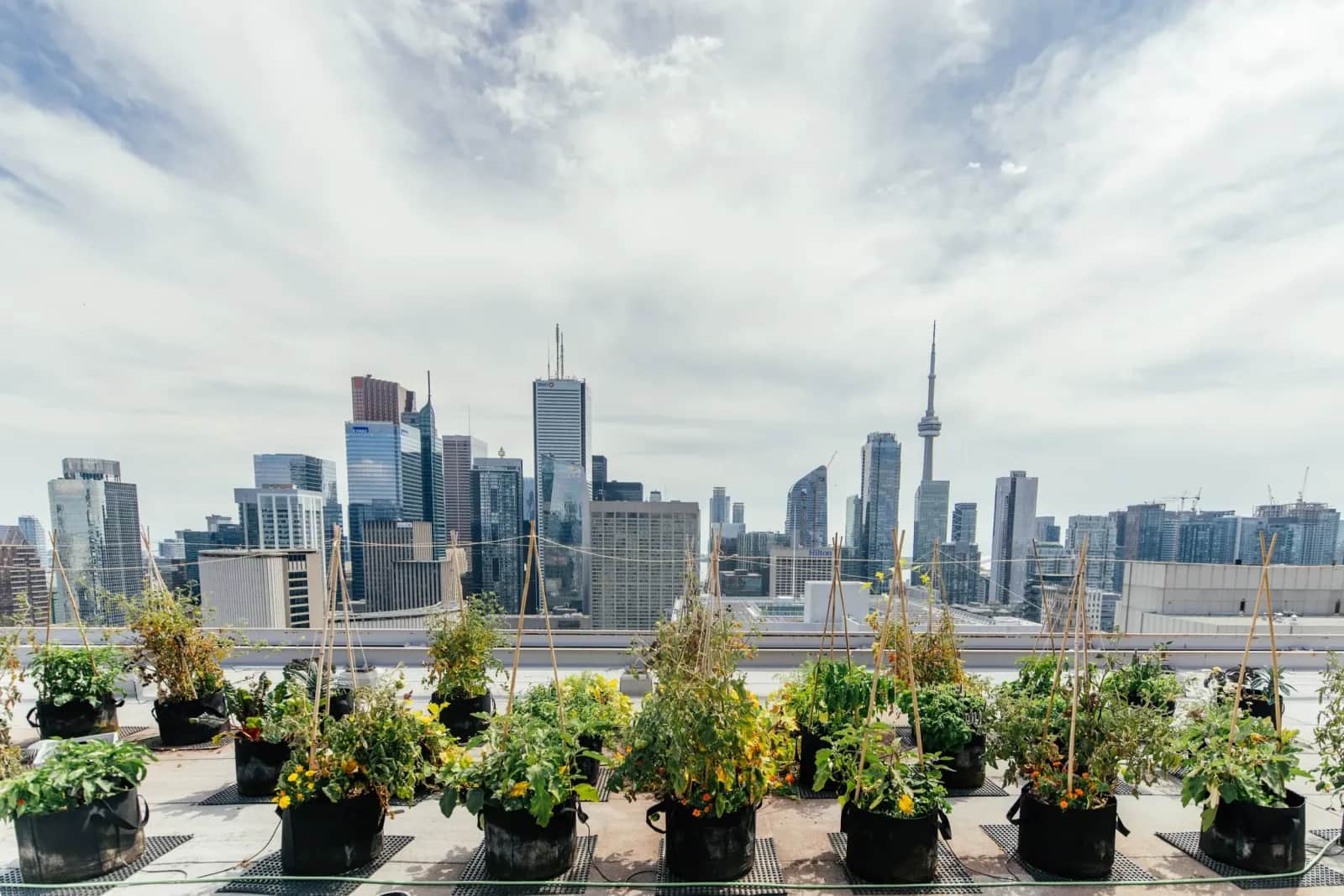
Vegetables growing in rows on a Toronto rooftop, with the downtown skyline and CN Tower behind
Toronto
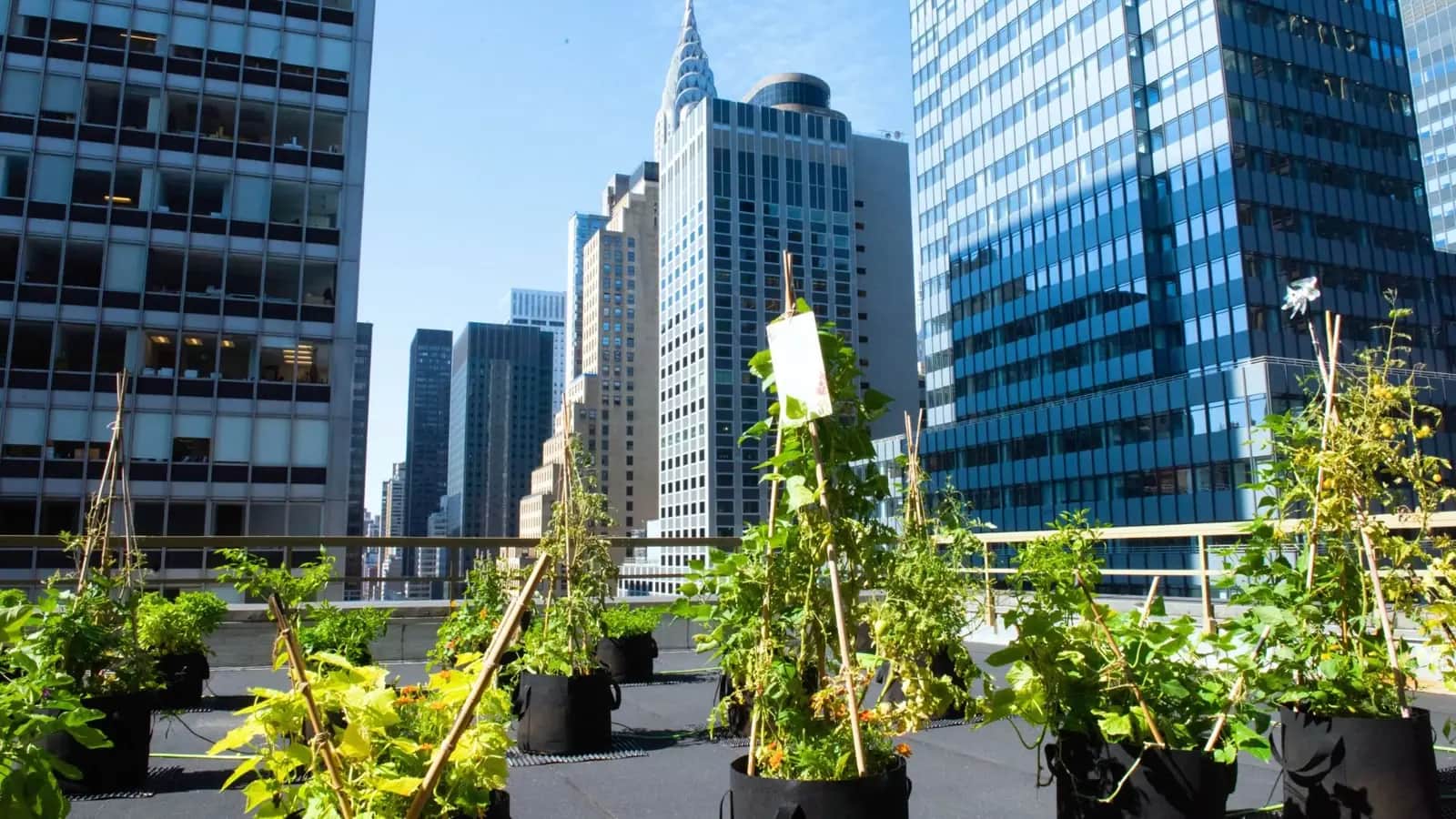
A rooftop farm among Midtown Manhattan towers, with the Chrysler Building in the distance
New York
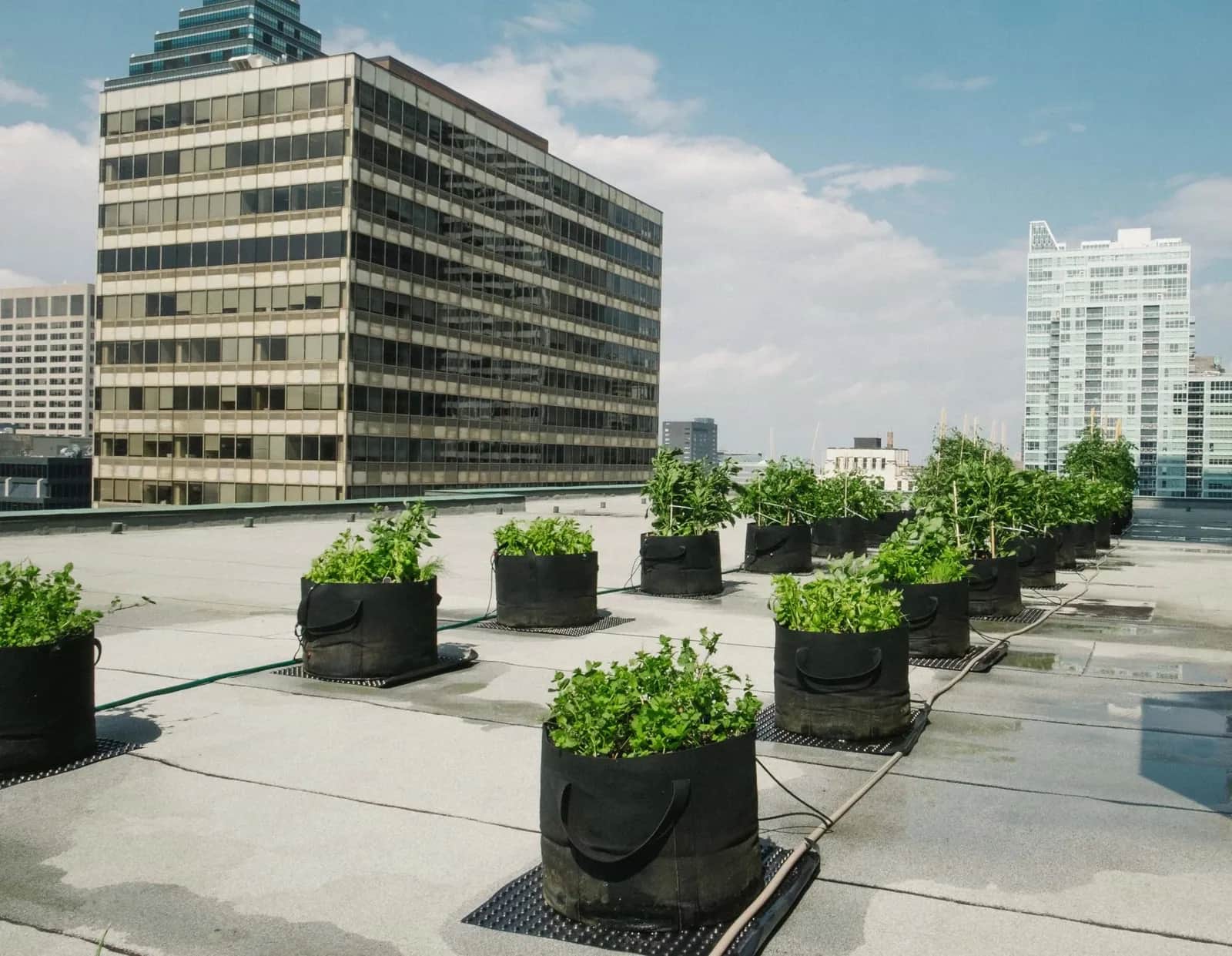
Rows of planted grow bags on an office rooftop in Montréal, between two towers
Montréal
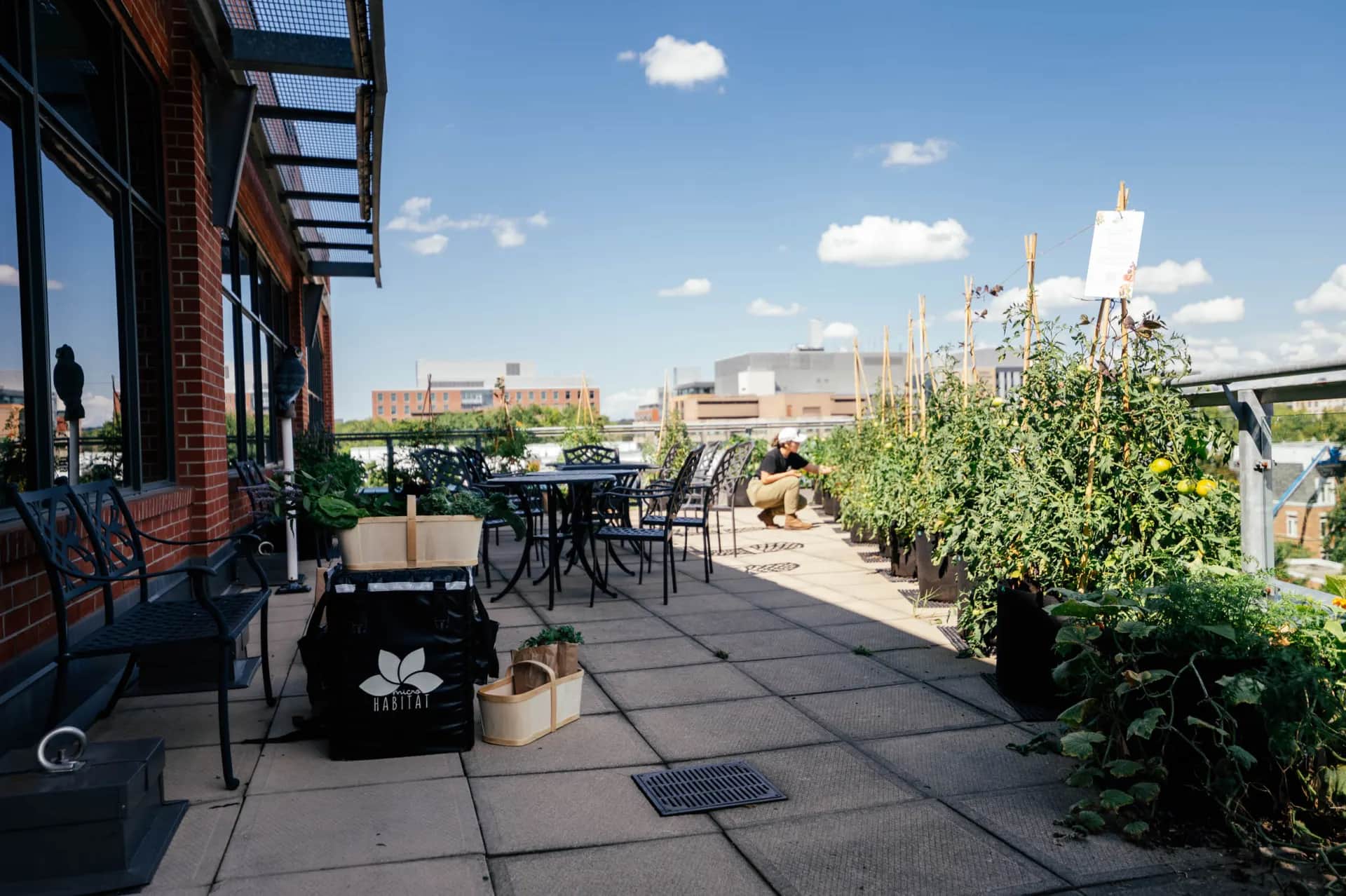
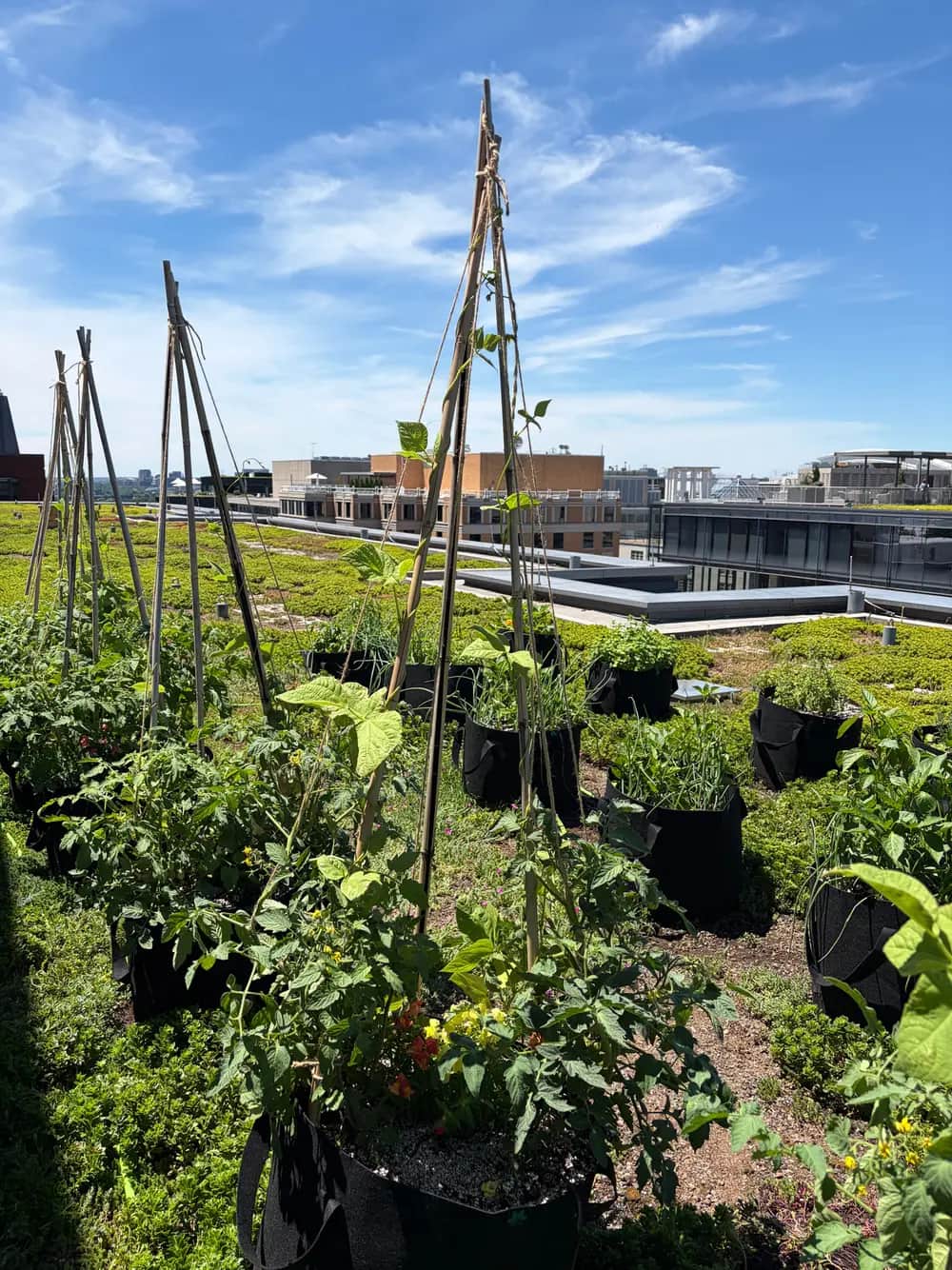
Trellised tomatoes and beans on a green roof in Washington, D.C., under a wide sky
Washington, D.C.

What a healthy building returns

The premium is measured.

It shows up in capital values, in what investors score and in where tenants choose to lease.

Value

20.6%

higher capital values for BREEAM-certified Central London offices

Found by JLL across 592 deals. Separately, CBRE found LEED-certified US offices keep a 3.7% rent premium after controlling for age, size, renovation and location. Uncertified buildings increasingly carry a brown discount.

JLL, Central London BREEAM analysis (2021); CBRE (2022)

Average green premium

Premium for sustainable space, by market

  • North America 7%+
  • Asia Pacific ~10%
  • London 11%+

JLL, The sustainable asset advantage (2025)

Capital

2,382

GRESB assessments submitted by 1,002 fund managers in 2025

Building certifications are a scored input in every assessment. CBRE notes green buildings carry lower mortgage default risk.

GRESB, 2025 Real Estate Assessment Results

Tenants

57%

of all occupiers hold public net-zero pledges

In CBRE's survey of 225 corporate real estate executives, more than half say certification shapes site selection.

CBRE, Americas Office Occupier Sentiment Survey (2024)

Vacancy two years after completion

London BREEAM schemes, by rating. Lower is better.

  • Excellent and Outstanding 7%
  • Very Good 20%

London BREEAM schemes (see Sources)

The rules are catching up

Regulators now ask for the same evidence.

Cities, countries and the certifications themselves are raising the bar, and they all run on measured data.

Compliance

Montréal
publishes a greenhouse-gas grade from AAA to F for more than 7,000 large buildings.
Toronto
extends benchmarking to buildings of 10,000 sq ft in 2026.
Canada
requires 75% of new federal office leases to be in net-zero, climate-resilient buildings from 2030.
New York
fines $268 per tonne over its cap.
European Union
the EPBD and CSRD add renovation duties and double-materiality disclosure.

The evidence a certification requires is the same dataset these rules demand.

Resilience

LEED v5
places about a quarter of its points in ecological conservation and restoration, and requires climate-resilience assessments.
BREEAM Version 7
centres whole-life carbon and climate adaptation.
Fitwel v3
adds climate-adaptation strategies.

What grows on the building has become scored evidence.

Get the evidence the rules ask for, building by building.

Check your building (opens MyUrbanFarm)

Who measures what

Seventeen systems. One report for each.

Every system below runs on evidence: measured inputs, credit-by-credit narratives, dated photographs and logs.

  • Environmental
  • Social
  • Governance
  • Environmental

    LEED

    Who runs it
    Standard by the U.S. Green Building Council; certification awarded by GBCI.
    Current version
    LEED v5 (April 2025) is current for BD+C, ID+C and O+M, and becomes the only version for new commercial registrations on 1 July 2027.
    Levels
    Certified, Silver, Gold, Platinum
    Why it matters
    The most recognised label worldwide, and the one with the best-documented premium.
    Where the farm earns credit
    Heat-island reduction, open space, habitat restoration and innovation pilots.
  • Social

    WELL

    Who runs it
    Standard by the International WELL Building Institute; review through GBCI.
    Current version
    WELL v2 covers ten concepts from Air to Community, with recertification every three years.
    Levels
    Bronze to Platinum
    Why it matters
    More than 6 billion sq ft in nearly 100,000 locations across nearly 140 countries. A streamlined dual pathway exists with LEED, and a partnership with GRESB strengthens the social score.
    Where the farm earns credit
    Nourishment, Mind and Community.
  • Environmental

    BREEAM

    Who runs it
    Owned by the BRE Group since 1990; assessed by licensed independent assessors; delivered in North America by BRE Global.
    Current version
    Version 7 launched for new construction in September 2025 and reaches refurbishment and in-use standards through 2026.
    Levels
    Pass to Outstanding
    Why it matters
    More than 2.9 million buildings registered. North American certifications grew over 90% between 2023 and 2025.
    Where the farm earns credit
    Land Use and Ecology, and Health and Wellbeing.
  • Governance

    GRESB

    Who runs it
    GRESB B.V., Amsterdam.
    Current version
    An annual investor-driven benchmark for funds and portfolios, reported 1 April to 1 July with results in October.
    Levels
    Scored 0 to 100, and one to five stars by quintile
    Why it matters
    Building certificates earn points inside it, so asset-level and portfolio-level health compound.
    Where the farm earns credit
    Social and environmental indicators, re-issued each cycle.
  • Environmental

    BOMA BEST

    Who runs it
    BOMA Canada, since 2005, built for existing buildings and the teams that run them.
    Current version
    BOMA BEST Sustainable Buildings 4.1. Single-building certification is valid three years, or a portfolio stream is verified annually.
    Levels
    Five levels, from Certified to Platinum
    Why it matters
    More than 4,500 certified buildings and about 1 billion sq ft. Recognised within GRESB and required for Canadian TOBY entrants.
    Where the farm earns credit
    Tenant engagement, site and wellbeing criteria.
  • Social

    Fitwel

    Who runs it
    Operated by the Center for Active Design; created by the US CDC and General Services Administration, with the CDC still its research partner.
    Current version
    Fitwel v3 (2024) draws on more than 7,000 studies. Certification is valid three years, reviews take 12 to 16 weeks, and portfolio certification renews annually.
    Levels
    One to three stars
    Why it matters
    No performance testing, so an operations team can complete it.
    Where the farm earns credit
    Healthy-food access, outdoor space and community.
  • Environmental

    Green Globes

    Who runs it
    Green Building Initiative, Portland, an ANSI-accredited standards developer.
    Current version
    A three-in-one assessment of sustainability, health and wellness, and resilience on a 1,000-point scale, reviewed on site by an assessor. Ascent Building Certification launched in March 2026 for markets outside North America.
    Levels
    One to Four Green Globes
    Why it matters
    More than 1 billion sq ft certified. One of two whole-building certifications recognised by the US federal government, with full credit under GRESB.
    Where the farm earns credit
    A dedicated Onsite Agriculture criterion worth up to five points, plus heat-island, landscaping and eco-roof credits.

Ten more systems we report against

  • Living Building Challenge

    International Living Future Institute

    The Urban Agriculture Imperative is mandatory, plus the Place Petal and Access to Nature.

  • SITES

    GBCI

    On-Site Food Production credit worth up to four points, plus soil, vegetation and compost credits.

  • TRUE Zero Waste

    GBCI

    On-site composting feeds the required 90% diversion and the Closed Loop System credit.

  • DGNB

    German Sustainable Building Council

    Biodiversity and outdoor-space quality criteria, with a crosswalk to the EU Taxonomy and CSRD.

  • HQE

    Cerway and Certivéa

    Immediate-environment and biodiversity target, plus health and comfort evidence.

  • Green Star

    Green Building Council of Australia

    Nature category, biodiversity enhancement and connection to nature.

  • Green Mark

    Building and Construction Authority, Singapore

    Green Plot Ratio greenery calculation and nature access.

  • CSRD

    European Union

    ESRS biodiversity, circular-economy and community metrics, re-issued each reporting year.

  • TNFD

    Taskforce on Nature-related Financial Disclosures

    Asset-level nature data for the LEAP approach, interoperable with ISSB and ESRS.

  • Scope 3

    GHG Protocol

    Category 5 waste diversion tonnage and avoided landfill methane.
See which of the seventeen fit your building.

Check your building (opens MyUrbanFarm)

Certification names are trademarks of their owners and are used here only to identify each system. MicroHabitat is not affiliated with or endorsed by any certifying body.

How it works

From your building's data to a submission-ready report.

You supply the measured inputs. We do the drafting, the review and the assembly.

A lush rooftop farm growing in front of office towers
  1. See what you qualify for

    Answer a few questions about location, asset type and portfolio, and we show the certifications your building can pursue.

  2. Share your inputs

    Your measured data: energy model, metered utilities, site surveys, policies. We never fabricate a measured number.

  3. AI drafts, specialists review

    Every credit's requirement, threshold and recommended approach is drafted in minutes, then reviewed line by line by our sustainability specialists.

  4. Receive a submission-ready report

    An audit-ready, credit-by-credit package you submit to the certifying authority, who reviews it and awards the level.

  5. Don't qualify yet? We get you there.

    We pinpoint every gap to the threshold and recommend the fixes that make the building certifiable. An on-site farm is the living evidence many of those credits are built from, and installing one is what MicroHabitat does.

Two ways to start

  • Contribution report

    A fixed-price report on your farm and green-space evidence.

    • Your farm and green-space evidence, credit by credit
    • Fixed price
    • Bundles of two or more save automatically
  • Full certification report

    The whole scorecard for a single building.

    • Every credit's requirement, threshold and approach
    • Covers the full scorecard, not only the farm
    • One building per report

Both are submission-ready and reviewed by our sustainability specialists.

See what your building qualifies for (opens MyUrbanFarm)

Answer a few questions. No account needed.

Who does what

  1. You

    Share your measured data and submit the report under your own project account.

  2. MyUrbanFarm

    Drafts every credit with AI, has our specialists review it, and delivers the submission-ready report.

  3. The certifying body

    Reviews the submission and awards the level.

BREEAM and DGNB are submitted by a licensed assessor or auditor, and BOMA BEST includes on-site verification by a professional BOMA assigns. For those systems, our report is the evidence they work from.

We produce the report you submit. The certifying authority reviews it and awards the level. We are not a certifying body and do not guarantee certification. Point values are indicative and validated against each authority's current manual before quoting.

Questions

Before you start

Is MicroHabitat a certifying body?

No. We produce the report you submit. The certifying authority reviews it and awards the level, and we do not guarantee certification.

Does a certifying body have to approve the company that prepares my report?

No. Certifying bodies certify buildings, not consultants, and your submission is made under your own project account. Three systems put a licensed professional in the chain: BREEAM and DGNB are submitted by a licensed assessor or auditor, and BOMA BEST includes on-site verification. For those, our report is the evidence they work from.

Which certifications do you report against?

Seventeen: LEED, WELL, BREEAM, GRESB, BOMA BEST, Fitwel and Green Globes, plus the Living Building Challenge, SITES, TRUE Zero Waste, DGNB, HQE, Green Star, Green Mark, CSRD, TNFD and Scope 3.

What do I need to provide?

Measured data only: your energy model, metered utilities, site surveys and policies. If a number was not measured, we do not invent it.

What if my building doesn't qualify yet?

Your report shows every gap to the threshold and the fixes that would make the building certifiable. Many of those credits are built on an on-site farm, which MicroHabitat installs.

How do I start?

Answer a few questions about your building's location, asset type and portfolio on MyUrbanFarm, and we show the certifications it can pursue. Then choose a fixed-price contribution report or a full certification report.

Start with your building

Find out what your building can prove.

Answer a few questions and see the certifications your building can pursue, and the report that gets you there.

See what your building qualifies for (opens MyUrbanFarm)

Answer a few questions. No account needed.

Sources

CBRE, Green Is Good: The Enduring Rent Premium of LEED-Certified U.S. Office Buildings (2022). JLL, The sustainable asset advantage (2025) and Central London BREEAM hedonic analysis (2021). Eichholtz, Kok and Quigley, American Economic Review (2010). MIT Real Estate Innovation Lab (2020). GRESB, 2025 Real Estate Assessment Results and Investor Member guidance. CBRE, Americas Office Occupier Sentiment Survey (2024). Ville de Montréal, By-law 21-042. Ontario Regulation 506/18 and Toronto Municipal Code Chapter 367. Treasury Board of Canada Secretariat, Greening Government Strategy. NYC Department of Buildings, Local Law 97. USGBC, LEED v5. IWBI, WELL v2. BRE, BREEAM Version 7 (2025). BOMA Canada, BOMA BEST 2025 Buildings Report. Center for Active Design, Fitwel v3. Green Building Initiative, Green Globes and Ascent Building Certification (2026). MyUrbanFarm, Certification Reports credit mappings.

Figures current to September 2026.