Auf dieser Seite
Von der Regenwasserbewirtschaftung zum „produktiven Schwamm"
Die zentrale Säule der Rain-City-Strategie ist das Konzept der „Schwammstadt": 90 % des Niederschlags sollen aufgefangen und gereinigt werden, um urbane Überschwemmungen zu verhindern.
Teil unseres Leitfadens: Gewerbeimmobilien.
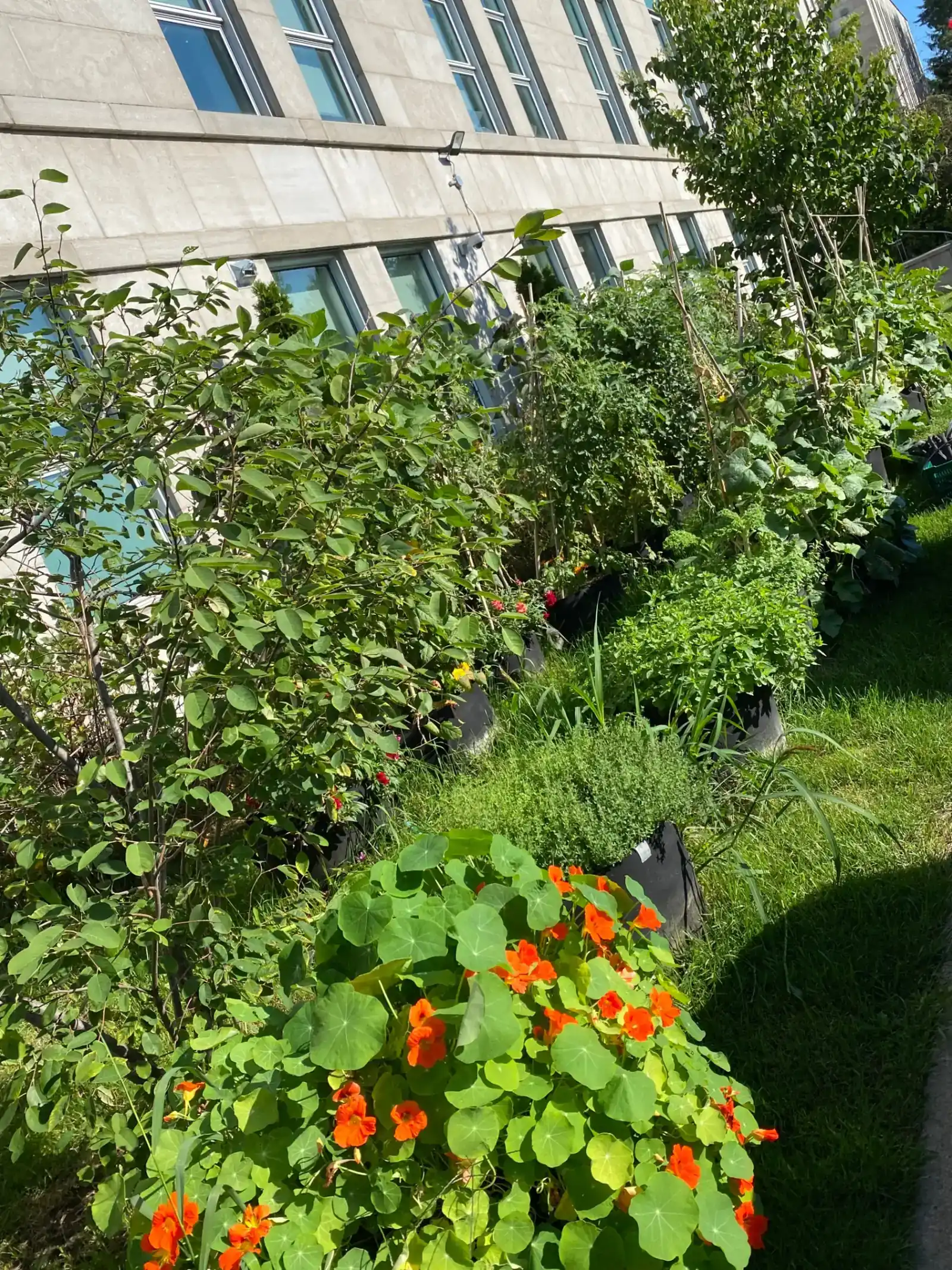
Wie MicroHabitat dazu passt: Wir verwandeln eine passive Drainageschicht in einen leistungsfähigen „produktiven Schwamm". Unsere Module für urbane Landwirtschaft nutzen tiefere, nährstoffreiche organische Substrate, die erhebliche Wassermengen speichern. Mit MicroHabitat „bewirtschaftet" ein Gebäude Regenwasser nicht nur — es lenkt diese Ressource in die Produktion mehrerer Tonnen frischer Lebensmittel um. Aus einer städtischen Infrastrukturaufgabe wird ein greifbarer Ertrag, und der urbane Wasserkreislauf schließt sich.
Das strukturelle Paradox von Gewicht und Ertrag lösen
Eine der wichtigsten technischen Hürden im Vancouver-Leitfaden ist die Traglast. Für viele Bestandsgebäude sind die „intensiven" Gründächer, die Gemüseanbau erfordert, schlicht zu schwer und würden unverhältnismäßige statische Verstärkungen nötig machen.
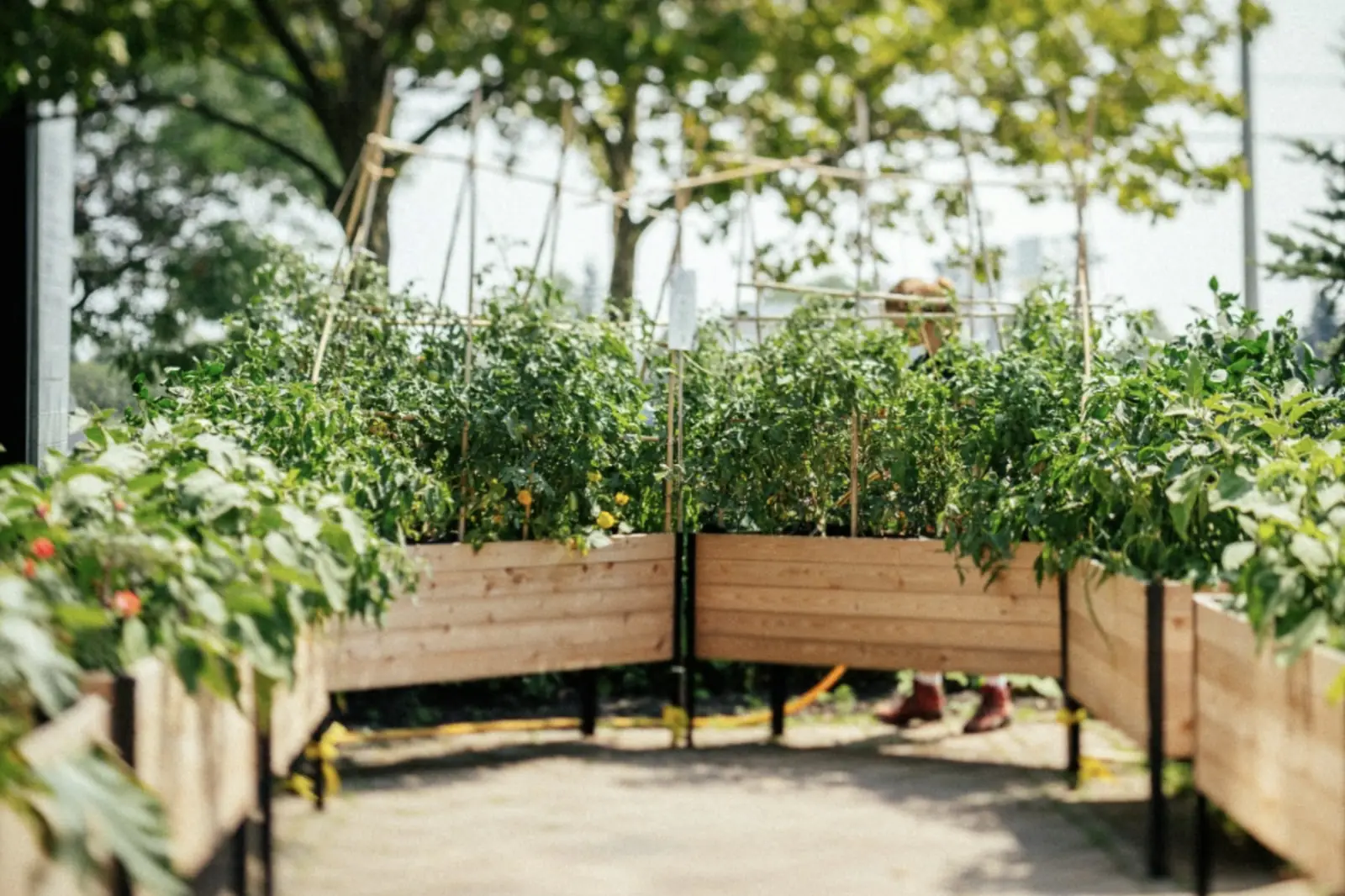
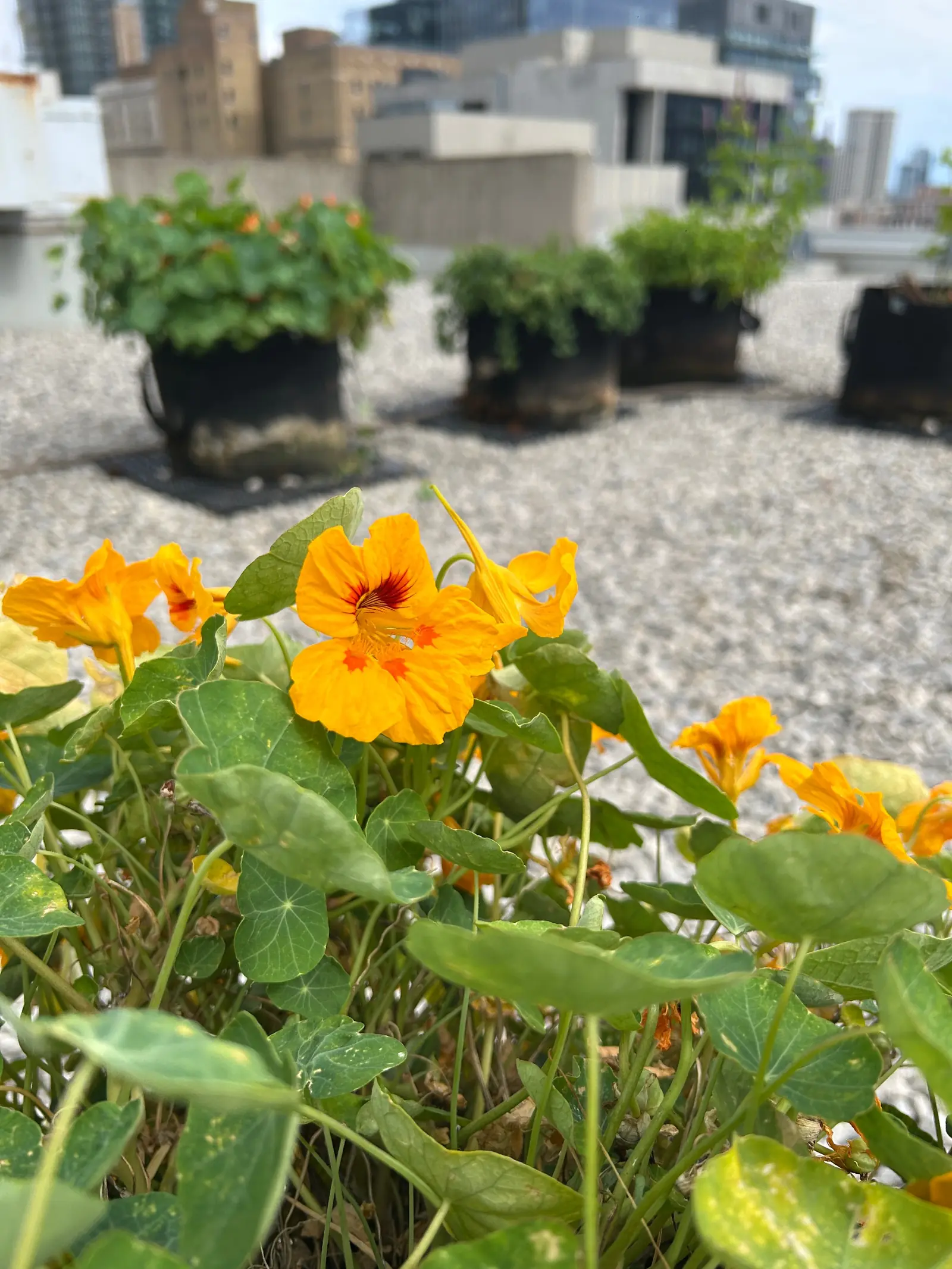
Wie MicroHabitat dazu passt: MicroHabitat ist weltweit führend in modularer, leichter Agrartechnik. Unsere eigens entwickelten Geotextil-Container und belüfteten Substratmischungen bieten die Wurzeltiefe, die anspruchsvolle Kulturen wie alte Tomatensorten, Grünkohl und Paprika brauchen — bei einem Bruchteil des Gewichts klassischer Dachbegrünung. Wir haben die Gewichtsbarriere wegkonstruiert und machen Dachlandwirtschaft für Gebäude zugänglich, bei denen es bislang hieß, es gehe nicht.
Biodiversität, die über „Grünfläche" hinausgeht
Der Rain-City-Leitfaden betont den Aufbau von Trittstein-Habitaten: ein Netz aus Dächern, über das Vögel, Bienen und Schmetterlinge den dicht bebauten Stadtkern durchqueren können.
Wie MicroHabitat dazu passt: Wir pflanzen nicht einfach Grün, wir kultivieren vielfältige, saisonale Agrarökosysteme. Durch Fruchtfolge und die gezielte Aussaat von Trachtpflanzen entstehen dicht besetzte Tankstellen für urbane Bestäuber. Wir arbeiten mit den lokalen Ökosystemen und lassen sie unsere Sortenwahl bestimmen. Wir setzen Arten ein, die an die Bedingungen exponierter Dächer natürlich angepasst sind, um die Artenvielfalt zu maximieren und wirksame Ökosystemleistungen für die jeweilige Stadtlandschaft zu erbringen.
Den Lebenszyklus des Dachs professionalisieren
Ein wiederkehrendes Thema international bewährter Praxis: Ein Gründach ist nur so gut wie sein Pflegekonzept. Ohne fachkundige Betreuung fallen Bewässerungssysteme aus, invasive Arten setzen sich durch, und die ökologischen Vorteile — etwa die Kühlung gegen den städtischen Wärmeinseleffekt — verschwinden.
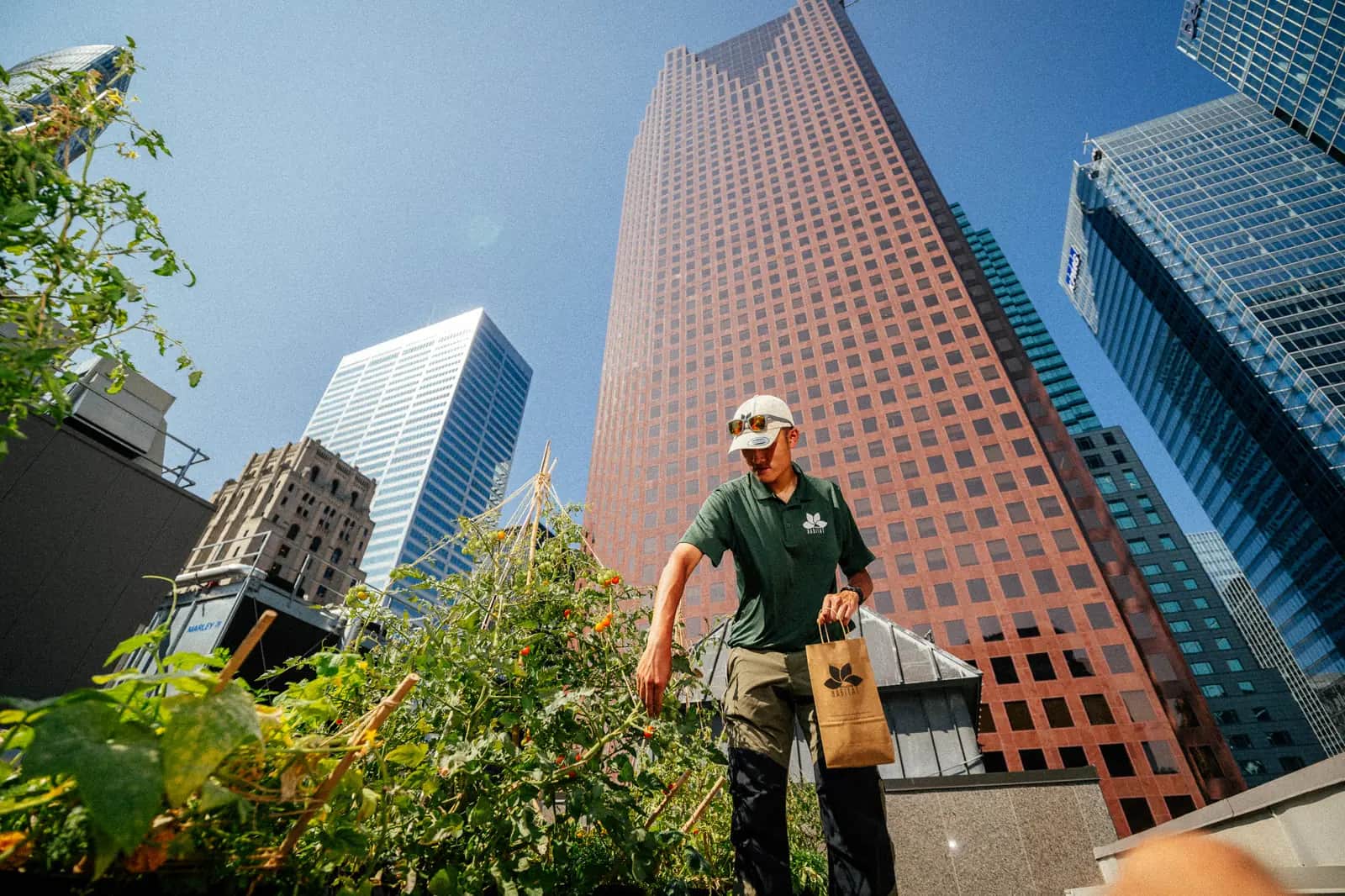
Wie MicroHabitat dazu passt: MicroHabitat liefert das operative Bindeglied. Wir sind ein schlüsselfertiger Full-Service-Partner. Unsere professionellen Urban Farmer sind vor Ort und betreuen jeden technischen Aspekt, von der Kalibrierung der Bewässerung bis zur Kontrolle der Bodengesundheit. Wir holen die „gute Praxis" vom Papier in die Hände von Fachleuten und sorgen dafür, dass Ihr Dach über Jahrzehnte auf ökologischem Höchstniveau arbeitet — nicht nur über wenige Saisons.
Die soziale Säule: urbane Solidarität
Der städtische Leitfaden behandelt auch die menschliche Dimension und betont, wie grüne Infrastruktur Lernorte schafft und Menschen mit der Natur verbindet. Er streift zudem die Ernährungssicherheit — doch nur wenige Unternehmen haben die Infrastruktur, um sie einzulösen.
Wie MicroHabitat dazu passt: Hier steht MicroHabitat als globaler Marktführer allein. Urbane Solidarität und Bildung sind Teil unserer operativen DNA. Jedes Grad Hitze, das unsere Farmen abmildern, geht einher mit frischen Bio-Erzeugnissen, die direkt an lokale Tafeln gespendet werden. Wir vermitteln der Nachbarschaft ökologische Anbaupraxis, teilen unser Wissen und geben Menschen die Mittel an die Hand, nährstoffreiche Lebensmittel selbst anzubauen. So wird aus der technischen Leistung Ihres Gebäudes eine kraftvolle soziale Erzählung — ein Dach nach bester Praxis kann eine Nachbarschaft ernähren und zugleich die Widerstandsfähigkeit der Stadt stärken.
Der führende Partner für eine widerstandsfähige Zukunft
Der Rain-City-Leitfaden beschreibt das Was und das Warum der Gebäude von morgen. MicroHabitat beantwortet das Wer und liefert das Wie. Wir übersetzen die komplexen technischen Anforderungen der fortschrittlichsten Stadtpolitik in eine sichtbare, wirksame Lösung, die Eigentümerinnen und Eigentümern keinerlei Aufwand abverlangt. Für Organisationen, die bei Nachhaltigkeit vorangehen wollen, ist MicroHabitat der Motor, der aus einer politischen Anforderung ein Wahrzeichen macht.
Letztlich braucht der weltweite Übergang zu widerstandsfähigen, schwammartigen Städten mehr als Politik: Er braucht einen erprobten, skalierbaren Motor des Wandels. MicroHabitat ist dieser Motor. Indem wir die Lücke zwischen Standards und dem lebendigen Puls urbaner Landwirtschaft schließen, bieten wir die weltweit ausgereifteste schlüsselfertige Lösung. Wir legen nicht einfach Gärten an — wir errichten leistungsfähige ökologische Infrastruktur, die das Klima kühlt, Wasser bewirtschaftet, Menschen ernährt und Ernährungsunsicherheit verringert. Von Montreal über Paris hinaus ist MicroHabitat der Schlüssel, um das ungenutzte Potenzial unserer Städte zu heben und jedes leere Dach in ein Wahrzeichen der Nachhaltigkeit und ein Zeichen sozialer Solidarität zu verwandeln.
Bauen wir die Zukunft unserer Städte von oben nach unten.