En esta página
De la gestión del agua de lluvia a las "esponjas productivas"
El pilar central de la estrategia Rain City es el concepto de "ciudad esponja": captar y depurar el 90 % de las precipitaciones para evitar inundaciones urbanas.
Parte de nuestra guía: Inmobiliario comercial.
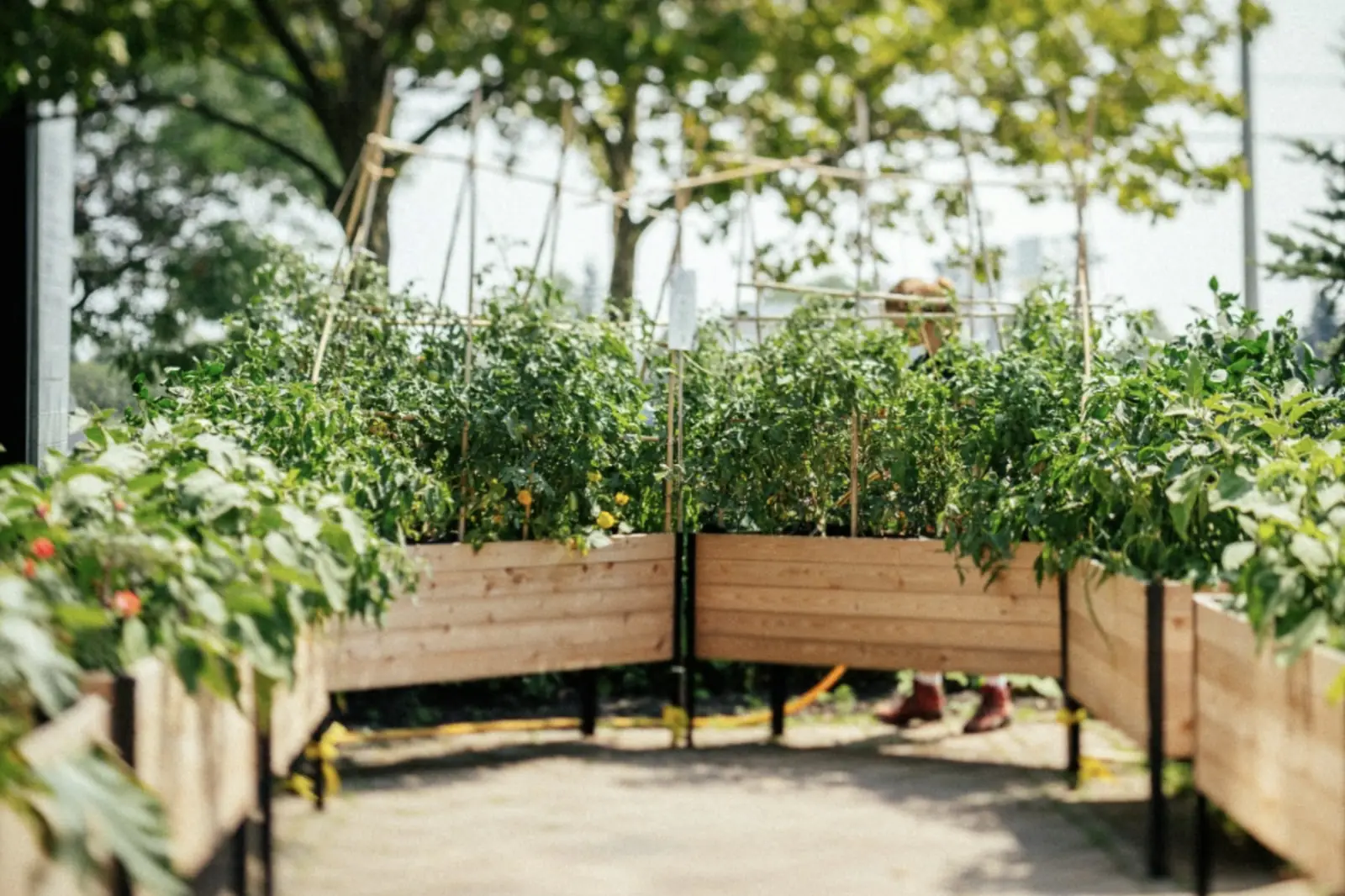
El papel de MicroHabitat: convertimos una capa de drenaje pasiva en una "esponja productiva" de alto rendimiento. Nuestros módulos de agricultura urbana emplean sustratos orgánicos más profundos y ricos en nutrientes, capaces de retener cantidades importantes de agua. Con MicroHabitat un edificio no solo "gestiona" el agua de lluvia: la redirige hacia la producción de miles de kilos de alimento fresco. Un servicio urbano se convierte en una cosecha tangible y el ciclo del agua en la ciudad se cierra.
Resolver la paradoja estructural entre peso y rendimiento
Uno de los principales obstáculos técnicos que menciona la guía de Vancouver es la carga estructural. Para muchos edificios existentes, las cubiertas verdes "intensivas" que exige el cultivo de hortalizas son sencillamente demasiado pesadas y obligarían a refuerzos prohibitivos.
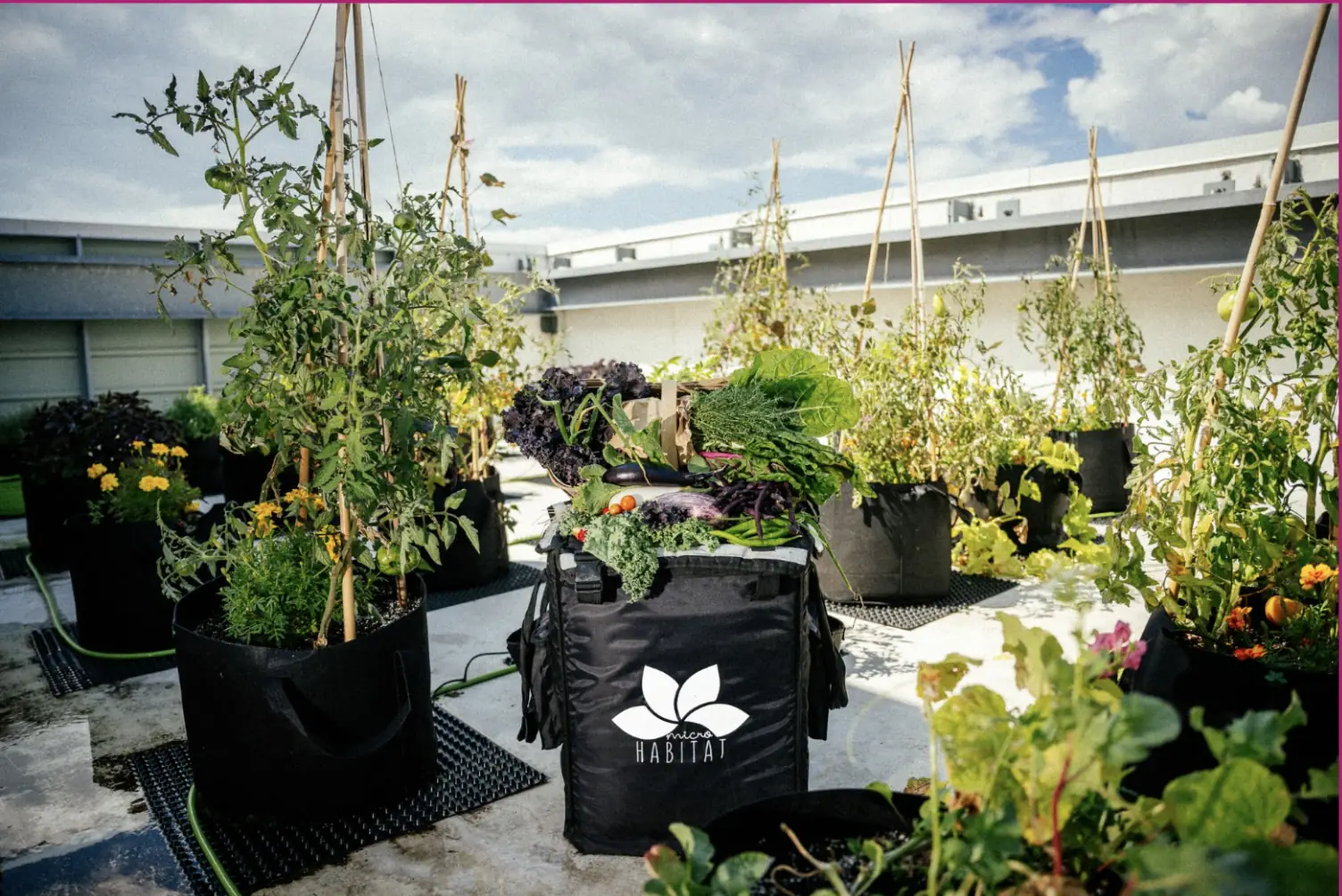
El papel de MicroHabitat: MicroHabitat es líder mundial en tecnología agrícola modular y ligera. Nuestros contenedores de geotextil y nuestras mezclas de sustrato aireado aportan la profundidad de raíz que necesitan los cultivos exigentes —tomates de variedades antiguas, kale, pimientos— con una fracción del peso de la jardinería tradicional. Hemos eliminado por diseño la barrera del peso y hacemos accesible el cultivo en azotea a edificios a los que se les había dicho que no era posible.
Una biodiversidad que va más allá del "espacio verde"
La guía Rain City subraya la creación de hábitats "de paso": una red de azoteas que permita a aves, abejas y mariposas atravesar el centro urbano.
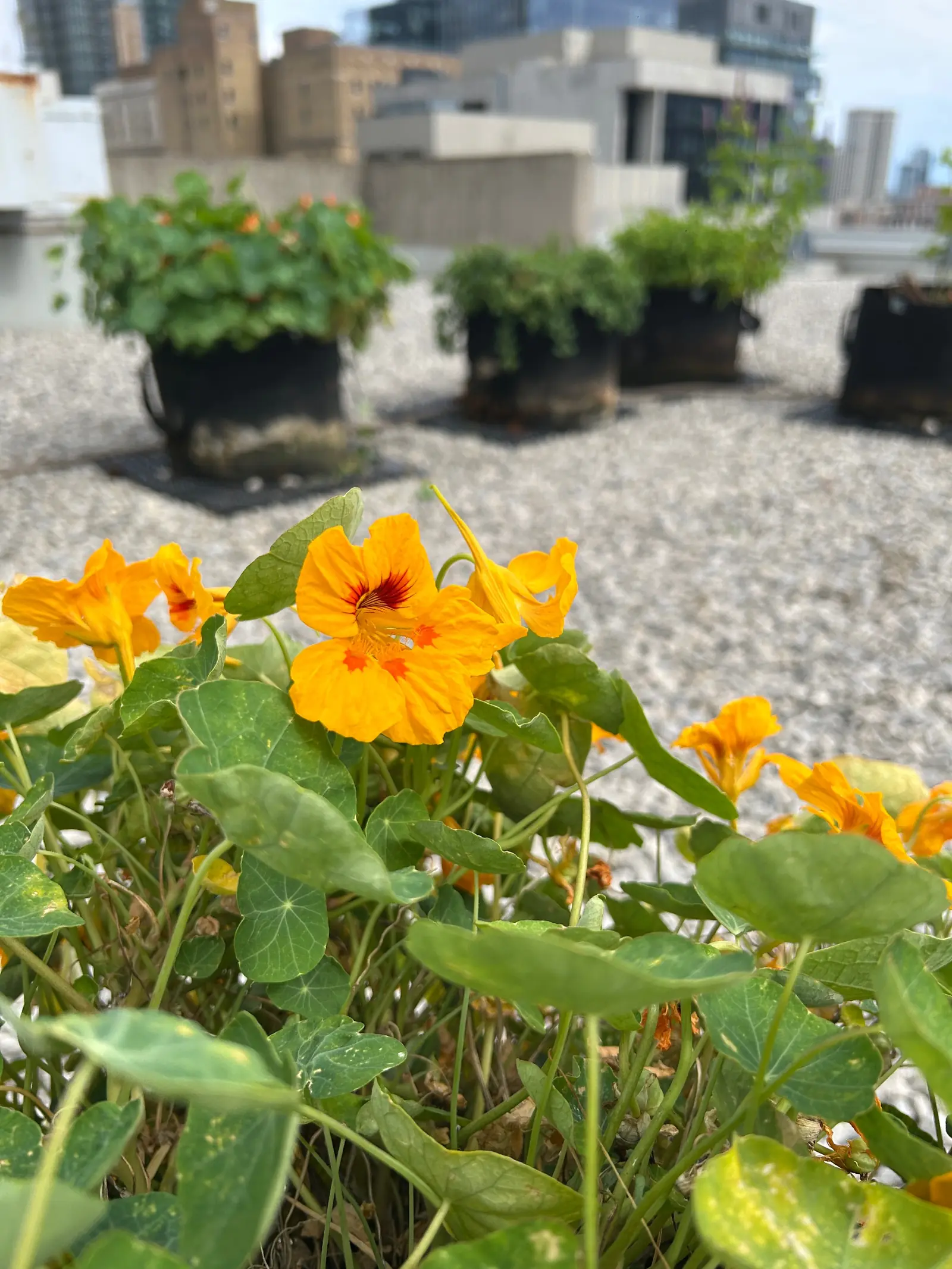
El papel de MicroHabitat: no plantamos simplemente vegetación, cultivamos agroecosistemas diversos y estacionales. Mediante la rotación de cultivos y la siembra dirigida de especies melíferas creamos estaciones de repostaje de alta densidad para los polinizadores urbanos. Trabajamos con los ecosistemas locales y dejamos que sean ellos los que definan nuestras variedades. Usamos especies naturalmente adaptadas a las condiciones de una azotea expuesta, para maximizar la biodiversidad y ofrecer servicios ecosistémicos ajustados a ese paisaje urbano concreto.
Profesionalizar el ciclo de vida de la cubierta
Un tema recurrente en las buenas prácticas internacionales es que una cubierta verde vale lo que vale su plan de mantenimiento. Sin cuidado experto los sistemas de riego fallan, las especies invasoras se imponen y los beneficios ambientales —como el enfriamiento frente a la isla de calor urbana— desaparecen.
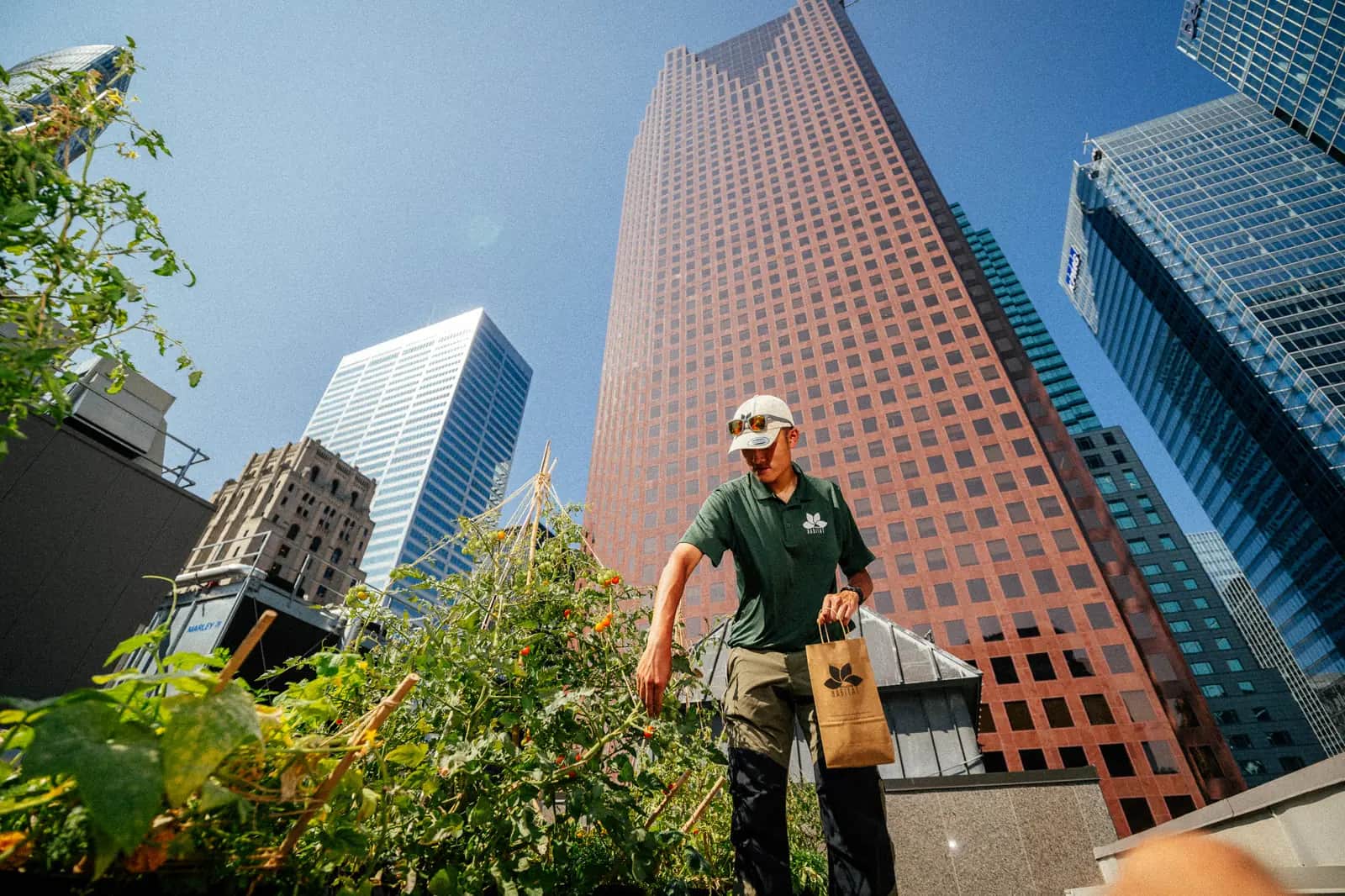
El papel de MicroHabitat: MicroHabitat aporta el eslabón operativo que falta. Somos un socio llave en mano de servicio completo. Nuestros agricultores urbanos profesionales están sobre el terreno y gestionan cada aspecto técnico, desde la calibración del riego hasta el seguimiento de la salud del suelo. Sacamos la "buena práctica" del papel y la ponemos en manos de especialistas, de modo que su cubierta rinda al máximo de su capacidad ambiental durante décadas, no unas pocas temporadas.
El pilar social: solidaridad urbana
La guía de la ciudad aborda también la dimensión humana y destaca cómo la infraestructura verde ofrece oportunidades de aprendizaje y reconecta a las personas con la naturaleza. Menciona además la seguridad alimentaria, pero pocas empresas tienen la infraestructura para cumplirla.
El papel de MicroHabitat: aquí MicroHabitat está sola como líder mundial. La solidaridad urbana y la educación forman parte de nuestro ADN operativo. Cada grado de calor que mitigan nuestros huertos viene acompañado de productos frescos y ecológicos donados directamente a bancos de alimentos locales. Enseñamos a la comunidad agricultura urbana ecológica, compartimos nuestro conocimiento y damos a las personas los recursos para cultivar alimentos nutritivos en casa. Así, el rendimiento técnico de su edificio se convierte en un relato social potente: una cubierta hecha con buenas prácticas puede alimentar a un barrio y reforzar al mismo tiempo la resiliencia de la ciudad.
El socio de referencia para un futuro resiliente
La guía Rain City describe el "qué" y el "porqué" de los edificios del mañana. MicroHabitat responde al "quién" y aporta el "cómo". Traducimos los complejos requisitos técnicos de las políticas urbanas más avanzadas en una solución visible y de alto impacto que no exige ningún esfuerzo al propietario. Para las organizaciones que quieren liderar en sostenibilidad, MicroHabitat es el motor que convierte una exigencia normativa en un lugar emblemático.
En última instancia, la transición mundial hacia ciudades resilientes y "esponja" requiere algo más que política: requiere un motor de cambio probado y escalable. MicroHabitat es ese motor. Al cerrar la brecha entre las normas y el pulso vivo de la agricultura urbana, ofrecemos la solución llave en mano más sofisticada del mundo. No nos limitamos a instalar huertos: desplegamos infraestructura ecológica de alto rendimiento que enfría el clima, gestiona el agua, alimenta a la ciudadanía y reduce la inseguridad alimentaria. De Montreal a París y más allá, MicroHabitat es la clave para liberar el potencial sin explotar de nuestras ciudades y convertir cada azotea vacía en un símbolo de sostenibilidad y solidaridad social.
Construyamos el futuro de nuestras ciudades desde arriba.