Op deze pagina
Van regenwaterbeheer naar „productieve sponzen"
De centrale pijler van de Rain City-strategie is het idee van de „sponsstad": 90 % van de neerslag opvangen en zuiveren om overstromingen in de stad te voorkomen.
Onderdeel van onze gids: Commercieel vastgoed.
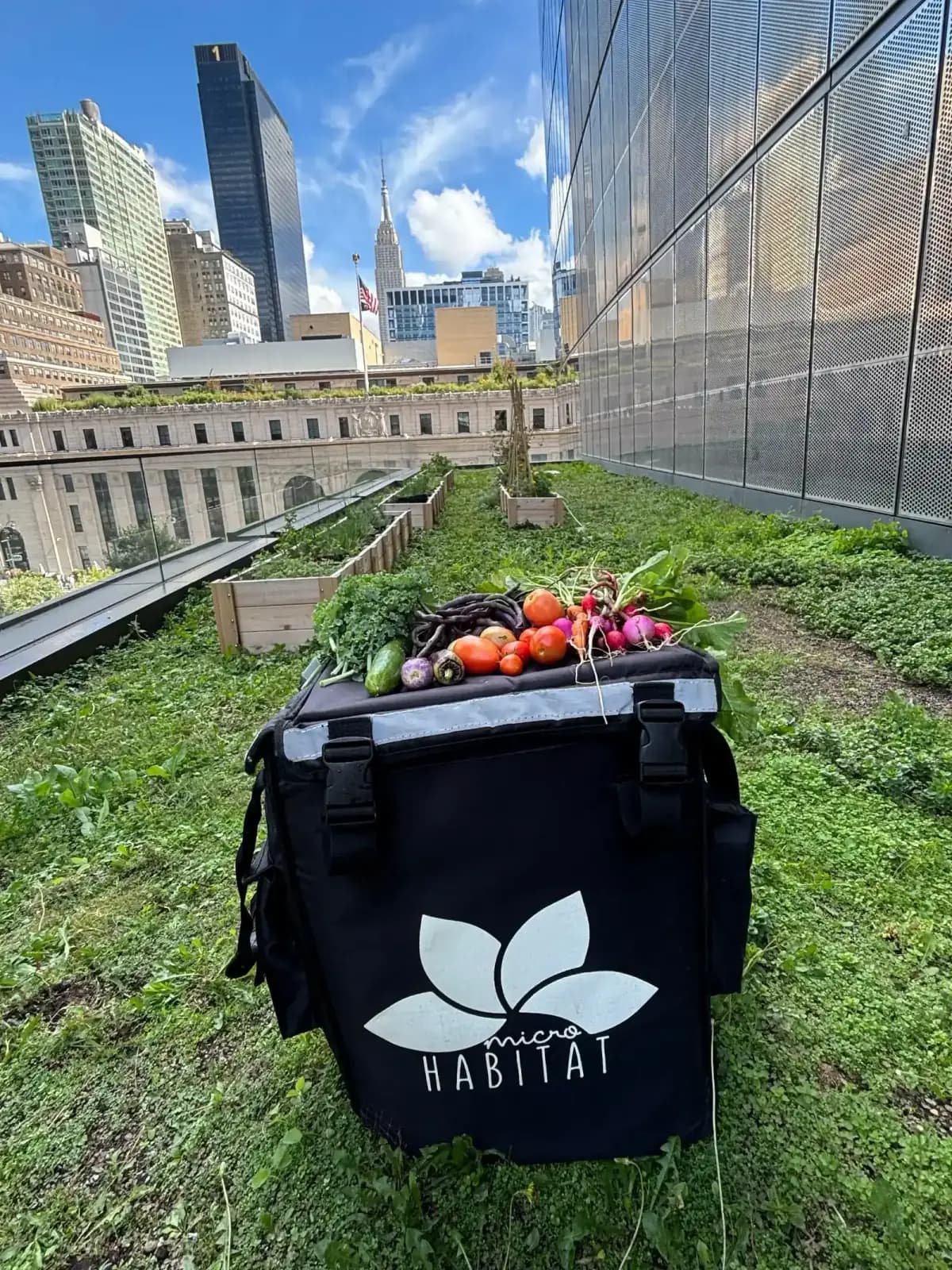
Hoe MicroHabitat daarin past: Wij veranderen een passieve drainagelaag in een hoogwaardige „productieve spons". Onze modules voor stadslandbouw gebruiken diepere, voedselrijke organische substraten die veel water vasthouden. Met MicroHabitat beheert een gebouw regenwater niet alleen — het leidt die grondstof om naar de productie van duizenden kilo's vers voedsel. Zo wordt een stedelijke nutsvoorziening een tastbare opbrengst en sluit de stedelijke watercyclus zich.
De structurele paradox van gewicht versus opbrengst oplossen
Een van de belangrijkste technische obstakels in de Vancouver-gids is de draagkracht. Voor veel bestaande gebouwen zijn de „intensieve" groendaken die groenteteelt vraagt eenvoudigweg te zwaar en zouden ze onbetaalbare constructieve versterkingen vergen.
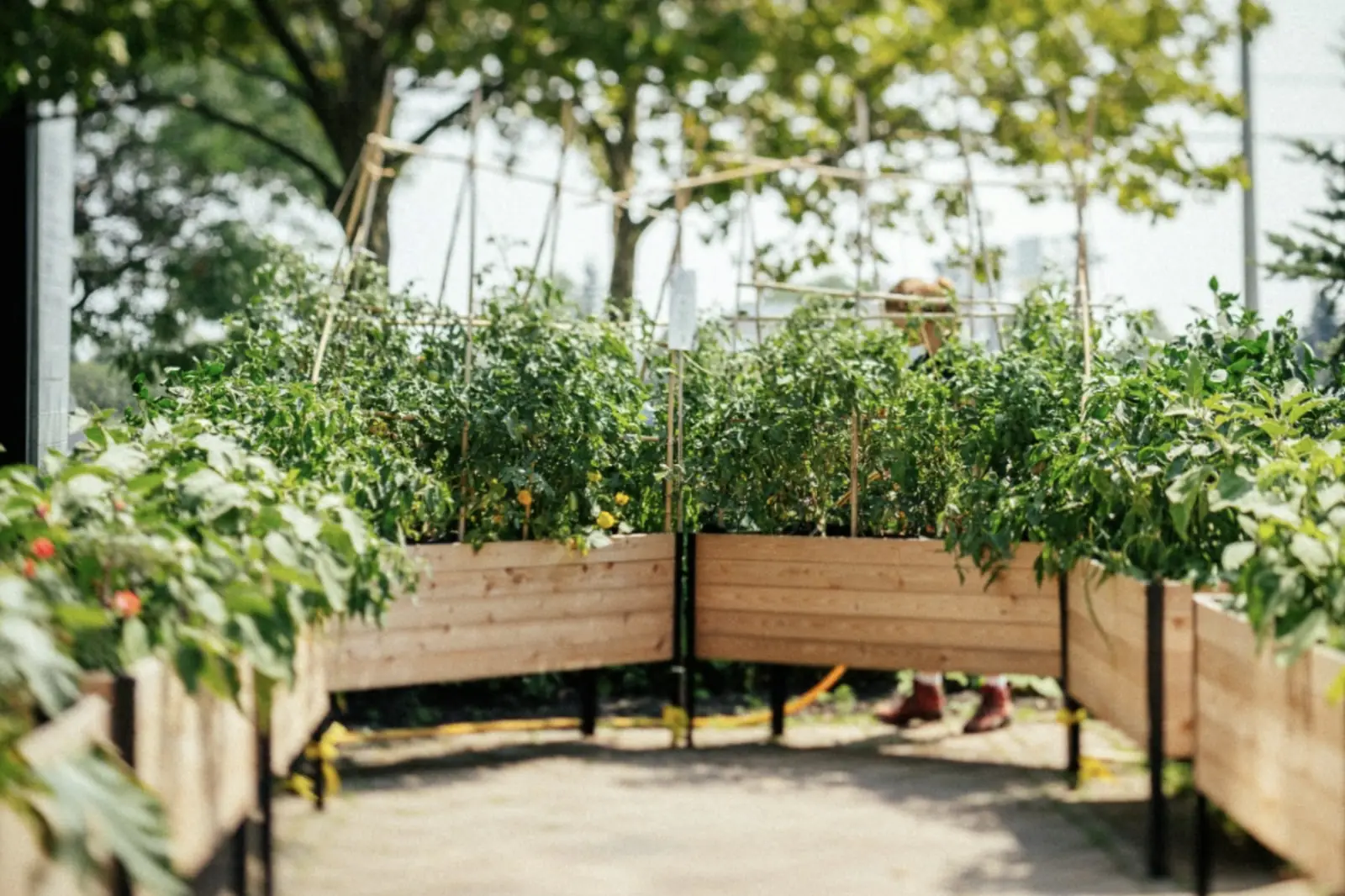
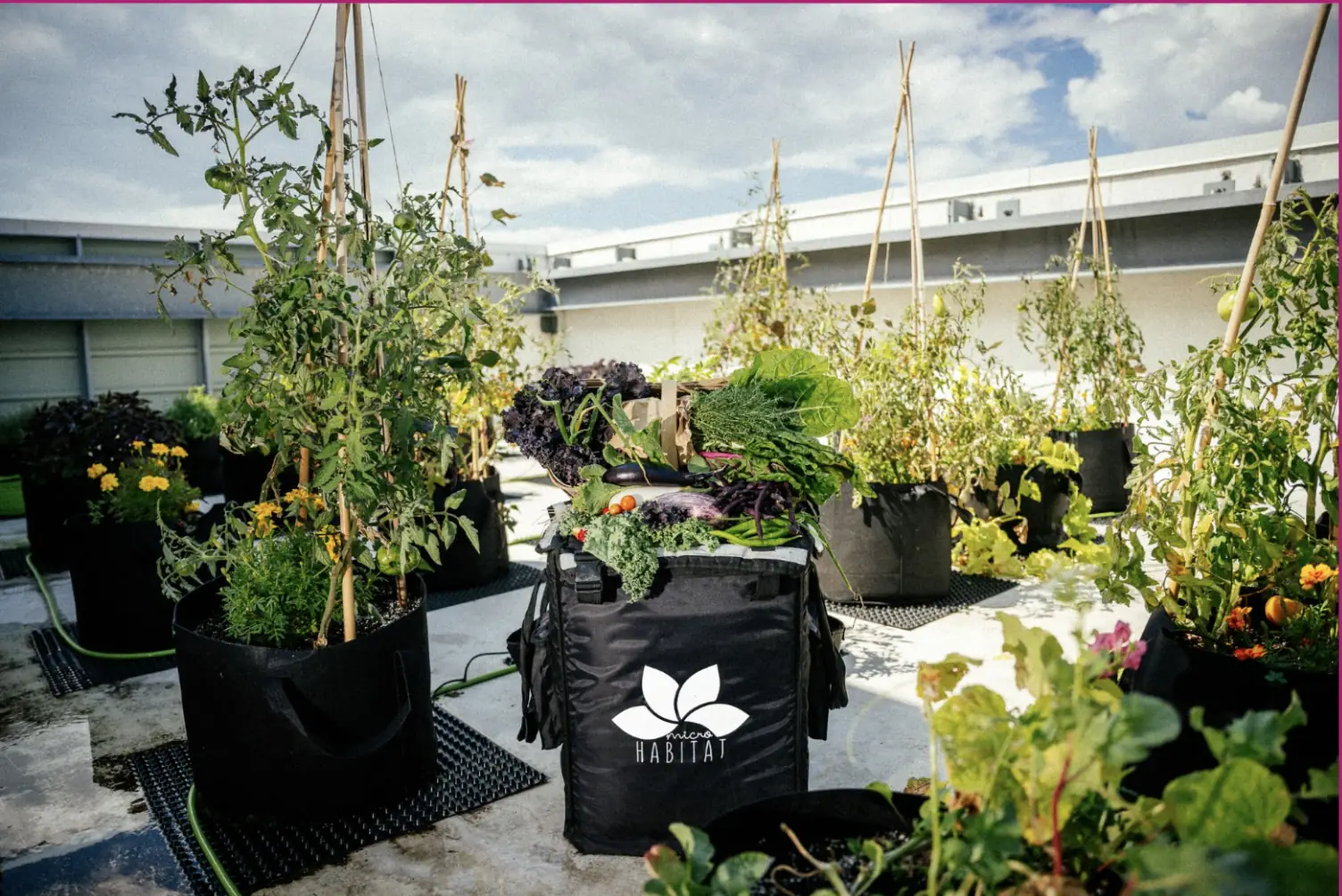
Hoe MicroHabitat daarin past: MicroHabitat is wereldleider in modulaire, lichtgewicht landbouwtechniek. Onze eigen geotextiele bakken en belichte substraatmengsels bieden de wortelruimte die veeleisende gewassen nodig hebben — oude tomatenrassen, boerenkool, paprika — tegen een fractie van het gewicht van klassieke daktuinen. We hebben de gewichtsbarrière weggeconstrueerd en maken dakteelt bereikbaar voor gebouwen waarvan eerder werd gezegd dat het niet kon.
Biodiversiteit die verder gaat dan „groen"
De Rain City-gids benadrukt het opbouwen van stapsteenhabitats: een netwerk van daken waarlangs vogels, bijen en vlinders de dichte stadskern kunnen doorkruisen.
Hoe MicroHabitat daarin past: Wij planten niet zomaar groen, we kweken gevarieerde, seizoensgebonden agro-ecosystemen. Door gewasrotatie en het gericht inzaaien van drachtplanten ontstaan dichtbezette tankstations voor stedelijke bestuivers. We werken met de lokale ecosystemen en laten die onze rassenkeuze bepalen. We gebruiken soorten die van nature zijn aangepast aan de omstandigheden op een open dak, om de biodiversiteit te maximaliseren en ecosysteemdiensten te leveren die bij dat specifieke stadslandschap passen.
De levenscyclus van het dak professionaliseren
Een terugkerend thema in internationale goede praktijk: een groendak is niet beter dan zijn onderhoudsplan. Zonder deskundige zorg vallen irrigatiesystemen uit, nemen invasieve soorten het over en verdwijnen de milieuvoordelen — zoals de verkoeling tegen het stedelijk hitte-eilandeffect.
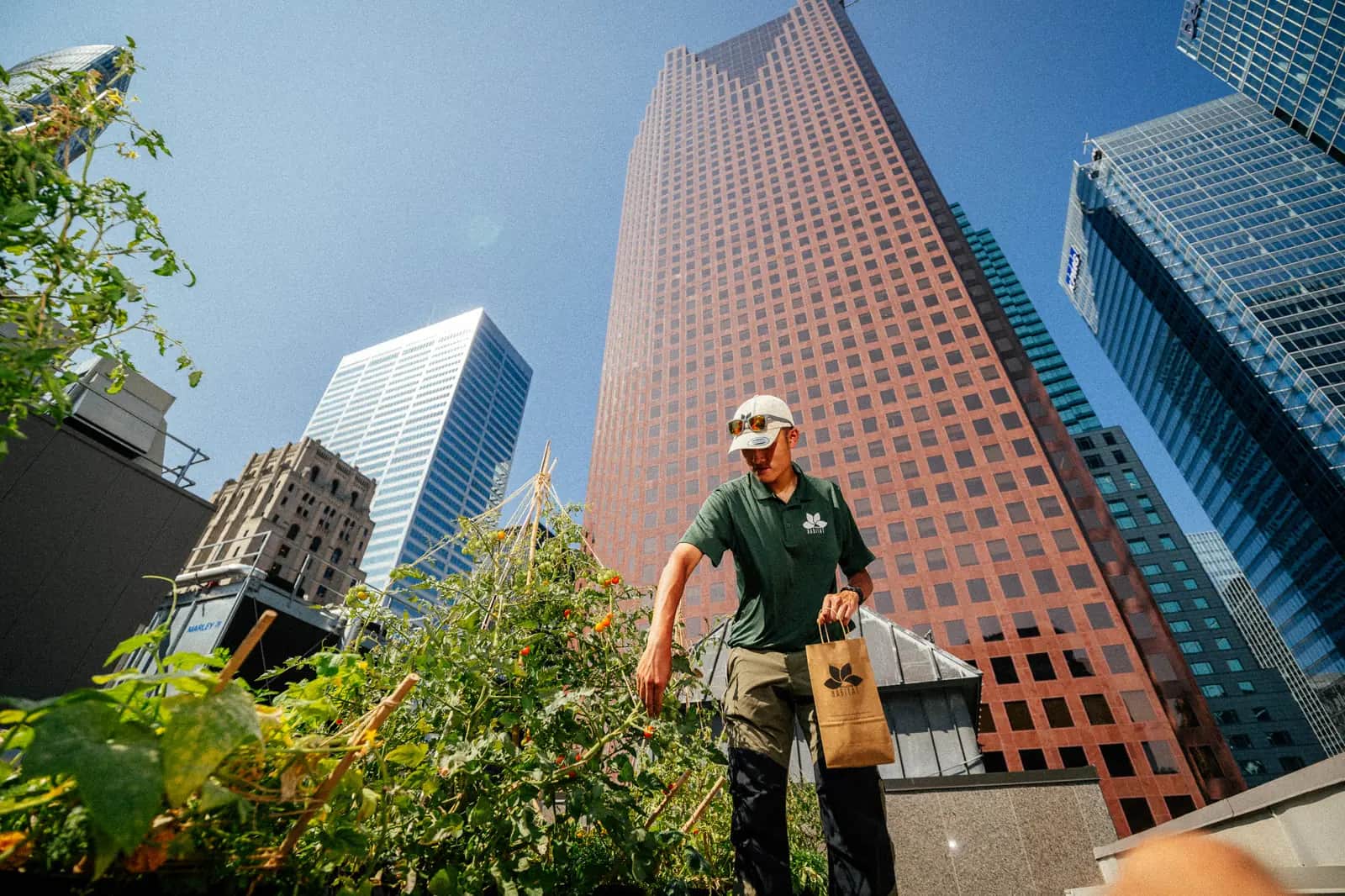
Hoe MicroHabitat daarin past: MicroHabitat levert de ontbrekende operationele schakel. Wij zijn een kant-en-klare full-servicepartner. Onze professionele stadsboeren staan op locatie en beheren elk technisch aspect, van het afstellen van de irrigatie tot het bewaken van de bodemgezondheid. Wij halen de „goede praktijk" van papier en leggen die in handen van vakmensen, zodat uw dak decennialang op zijn ecologische top presteert — niet slechts een paar seizoenen.
De sociale pijler: stedelijke solidariteit
De gids van de stad behandelt ook de menselijke kant en benadrukt hoe groene infrastructuur leerkansen biedt en mensen met de natuur verbindt. Hij raakt ook aan voedselzekerheid — maar weinig bedrijven hebben de infrastructuur om die waar te maken.
Hoe MicroHabitat daarin past: Hier staat MicroHabitat als wereldleider alleen. Stedelijke solidariteit en educatie zitten in ons operationele DNA. Elke graad hitte die onze boerderijen wegnemen, gaat samen met verse, biologische producten die rechtstreeks aan lokale voedselbanken worden gedoneerd. We leren de buurt ecologisch telen, delen onze kennis en geven mensen de middelen om thuis voedzaam voedsel te kweken. Zo wordt de technische prestatie van uw gebouw een krachtig sociaal verhaal: een dak volgens goede praktijk kan een buurt voeden én de veerkracht van de stad versterken.
De leidende partner voor een veerkrachtige toekomst
De Rain City-gids beschrijft het wat en het waarom van de gebouwen van morgen. MicroHabitat beantwoordt het wie en levert het hoe. Wij vertalen de complexe technische eisen van het meest vooruitstrevende stedelijk beleid naar een zichtbare, doeltreffende oplossing die de eigenaar geen enkele inspanning kost. Voor organisaties die willen voorop lopen in duurzaamheid is MicroHabitat de motor die een beleidsvereiste verandert in een landmark.
Uiteindelijk vraagt de wereldwijde overgang naar veerkrachtige, sponsachtige steden meer dan beleid: het vraagt een bewezen, schaalbare motor van verandering. MicroHabitat is die motor. Door de kloof te dichten tussen normen en het levende hart van stadslandbouw bieden we de meest verfijnde kant-en-klare oplossing ter wereld. We leggen niet zomaar tuinen aan — we bouwen hoogwaardige ecologische infrastructuur die het klimaat koelt, water beheert, mensen voedt en voedselonzekerheid terugdringt. Van Montreal tot Parijs en verder is MicroHabitat de sleutel om het onbenutte potentieel van onze steden te ontsluiten en elk leeg dak te veranderen in een baken van duurzaamheid en sociale solidariteit.
Laten we de toekomst van onze steden van bovenaf bouwen.