Maximizing Property Value with Urban Farming
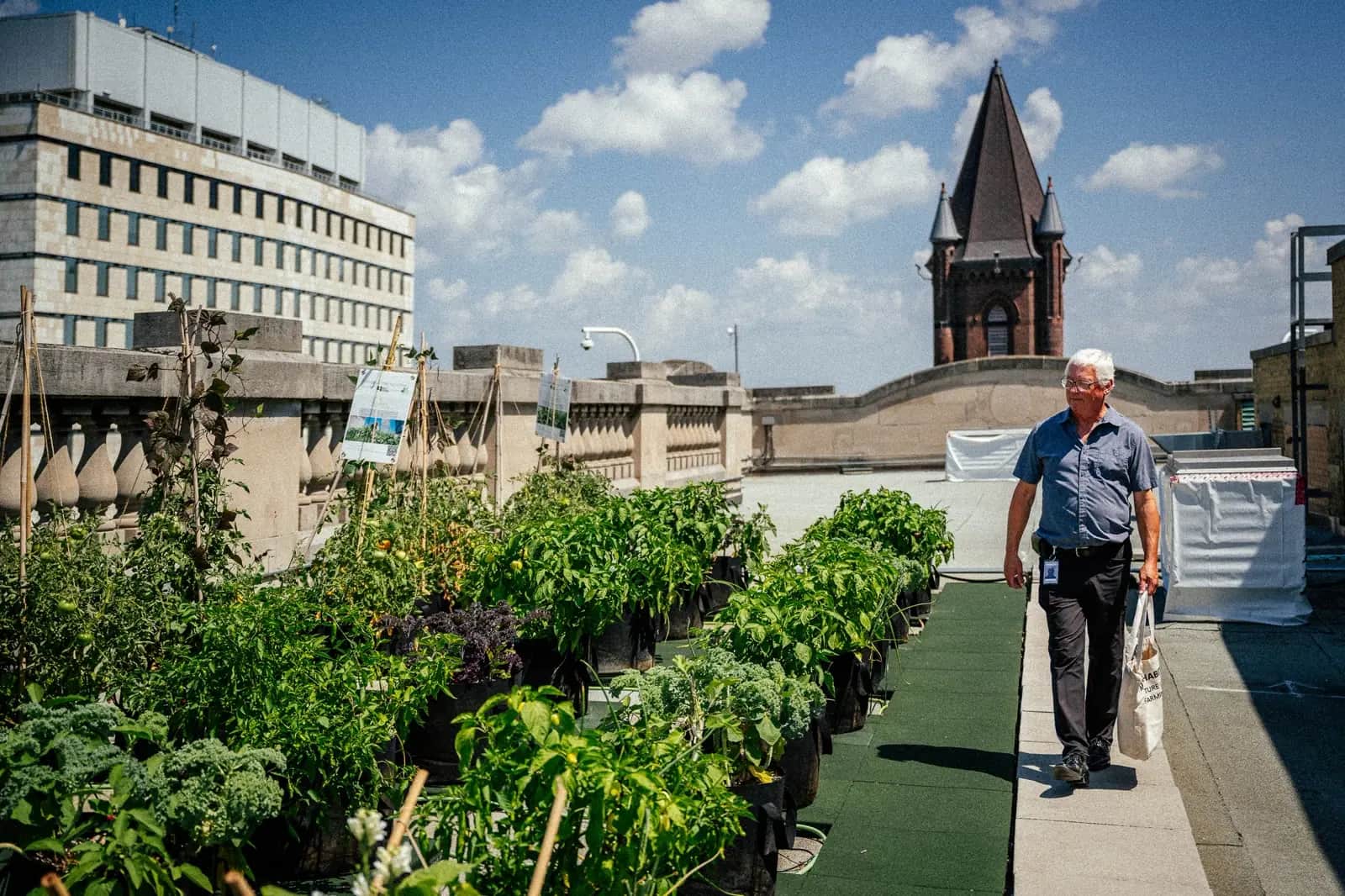
Urban farming is not just a sustainable practice, but it can also significantly increase property value. By incorporating edible landscapes, green roofs, or community gardens into your urban space, you can create a unique selling point that sets your property apart from others in the market.
Not only do these features enhance aesthetic appeal, but they also provide an opportunity for residents to engage with nature and cultivate their own food. This can lead to increased property values due to the added value of having a functional and sustainable space.
Sustainable Practices for Urban Farming
When implementing urban farming practices on your property, it's essential to focus on sustainability. This includes using rainwater harvesting systems, composting, and integrated pest management techniques to minimize waste and maintain soil health.
Additionally, consider incorporating native plant species that require minimal maintenance and are well-suited for the local climate. These plants will not only thrive in the urban environment but also provide a natural source of food and habitat for pollinators and other wildlife.
- Rainwater harvesting systems can collect up to 50% of annual rainfall, reducing stormwater runoff and decreasing water bills.
- Composting reduces waste sent to landfills and creates nutrient-rich soil amendments for urban gardens.
- Native plant species require less maintenance and are more resilient in the face of climate change.
Model the upside for your building — calculate your farm's ROI.
By prioritizing sustainability in your urban farming practices, you can not only maximize property value but also contribute to a healthier environment and community.