On this page
Counting planters is easy. Understanding the life around them is much harder. That gap starts to matter the moment a property team moves from saying “we added greenery” to explaining what the greenery actually does.
The UN Biodiversity Conference, COP17, takes place in Yerevan from 19 to 30 October 2026. Governments will carry out the first global review of progress under the Kunming-Montreal Global Biodiversity Framework. None of that certifies a building, of course. But it’s a timely nudge to look at the evidence behind your own building’s nature story, and to ask how much of it would hold up.
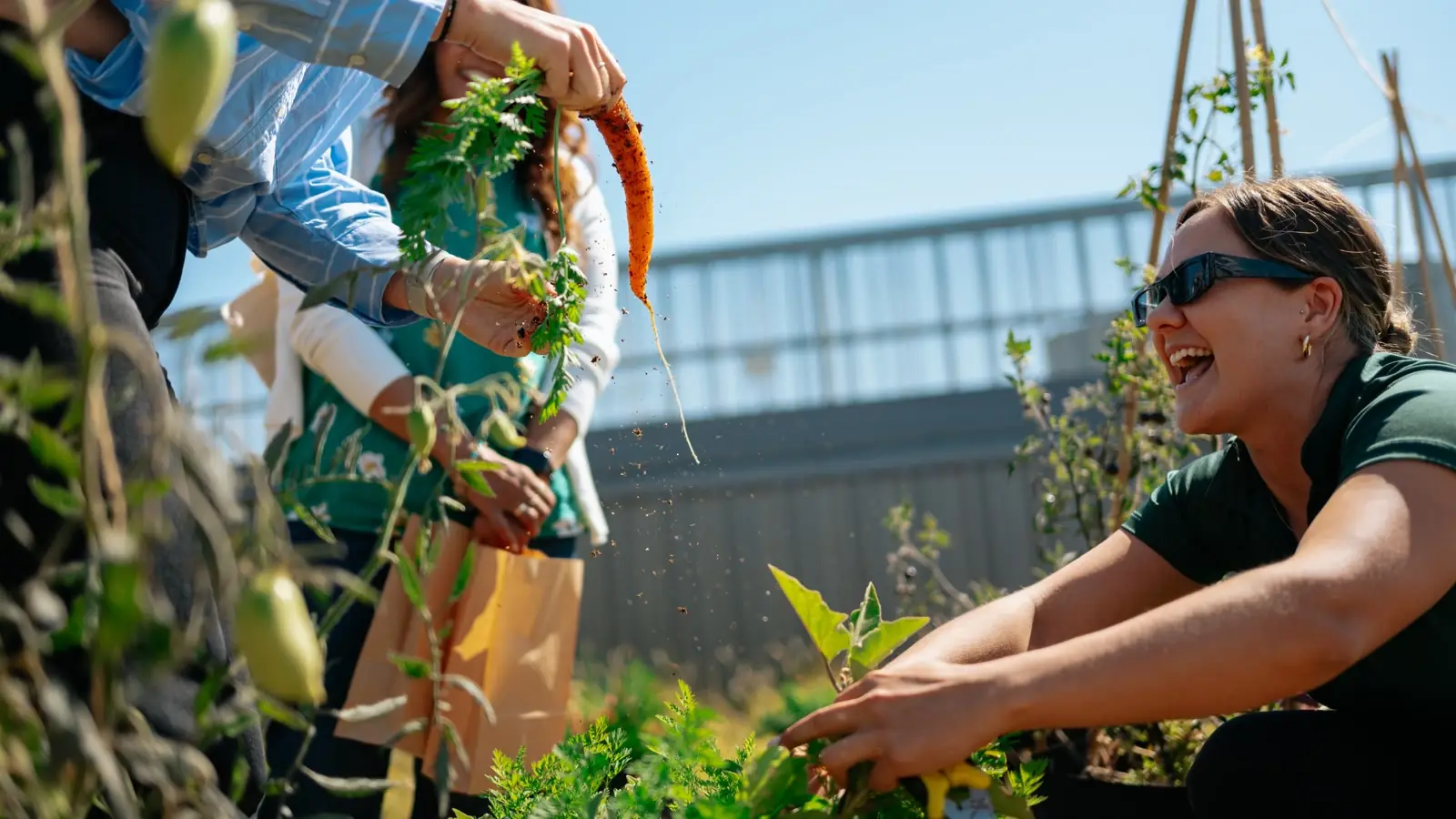
Start with what you want to learn
Before thinking about badges or labels, ask a plainer question: what do you actually want to find out? Whether the planting survives the whole season? Whether something is flowering from spring to autumn? Whether people can reach the space at all? Each question calls for a different kind of observation, and a single photo of a bee can’t answer all of them.
Target 12 of the framework is about urban green and blue spaces: their quality, how well they connect and who can get to them. For a single property, a sensible reading is to look past the planted area itself, to the habitat around it, the care plan that keeps it going and the people who benefit. That’s a way to design a program, not a claim of compliance with an international target.
Write down where you began
Before you add or change any planting, record what’s already there: dated photos, a simple site plan and a list of what’s planted. Note which areas you’re including and which you’ve left out. A roof, a courtyard and a strip along the street lead very different lives, and folding them into one attractive number can hide exactly what changed.
If you need a proper ecological baseline or species survey, bring in a qualified specialist. A facilities team can keep excellent records without pretending to be ecologists. When nobody is sure what an insect is, write “unidentified” and keep the original photo. Honest uncertainty is far more useful later than a confident guess.
Doing, seeing and proving are different things
It helps to sort every statement into one of three kinds:
- Something you did: a planting area was installed or looked after.
- Something you saw: a plant flowered, or a pollinator visited, on a given date.
- Something you showed: a change was established with a suitable method and a fair comparison.
The three are easy to blur. More photos don’t automatically mean more biodiversity, and more recorded visits might simply mean someone spent more time looking. A record that notes when and how observations were made lets the next reader understand its limits.
Keep a notebook you can sustain
Choose a few fixed spots to observe and a schedule the team can realistically keep. Note the weather and any maintenance when they might explain what you saw. And keep the plant replacements in the record. Leaving out the failures makes the story prettier, and the next decision worse.
Look through the notebook with your urban farmer at the end of the season, and with an ecologist where needed. Do the planting mix and the care routine support what you set out to do? Growing food, providing habitat and creating a lovely place to visit can overlap, but they are different goals. A crop plan on its own isn’t a biodiversity strategy.
Share the limits along with the results
A trustworthy update says which part of the site it covers, over what period, what was done and what evidence exists. Then it names what’s still unknown. Steer clear of labels like “biodiversity net gain” or “nature positive” unless a clear method, boundary and expert support stand behind them. Those words promise far more than the presence of plants.
For a general article or campaign, choose approved close-up photos without client branding or recognizable details of a private site, and keep the detailed records for the people who need to see them. Good evidence and discreet imagery sit together perfectly well.
MicroHabitat helps property teams connect professional farming, seasonal activity and a visible story of care. The best step before COP17 isn’t a bigger promise. It’s deciding which questions your farm can answer, who will keep the record, and what you’d like to be able to show when the season ends. If you are building that story into wider reporting, our guide to ESG and urban farming is a good next read.