Urban Green Space Demand in the USA
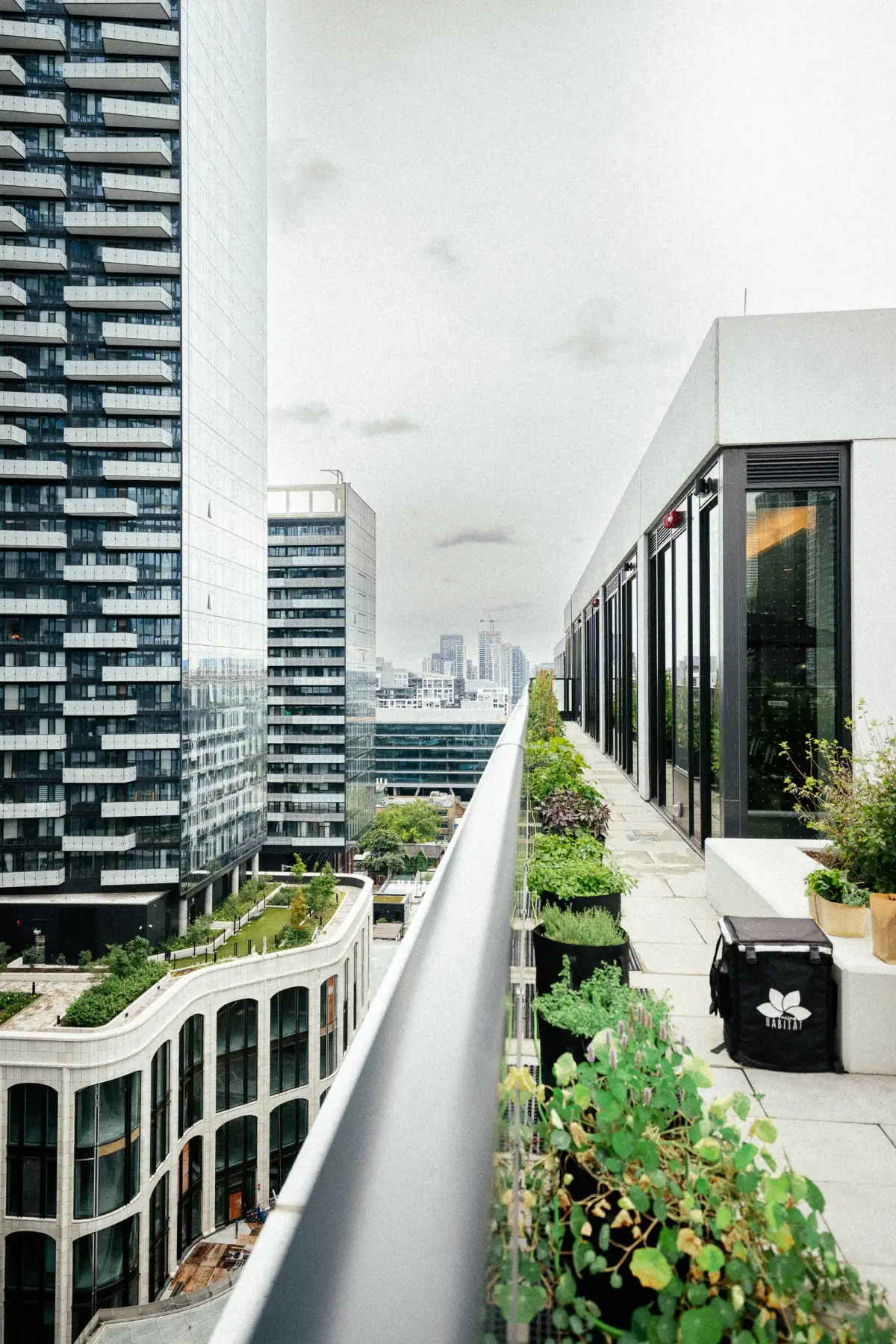
As the world's population continues to urbanize, American cities are facing a pressing need to provide green spaces for their residents. The demand for urban green spaces is driven by various factors, including concerns about air quality, heat island effects, and mental health. Cities like New York, Los Angeles, and Chicago have been at the forefront of this trend, with initiatives such as park expansions, rooftop gardens, and community garden programs.
Part of our guide: Urban Farms as Tenant Amenities in Commercial Real Estate.
One key challenge cities face in meeting this demand is finding suitable locations for green spaces. With limited available land, urban farmers must often rely on rooftops, vacant lots, or other unconventional sites to establish their operations. This requires careful planning and collaboration between city officials, developers, and community groups to ensure that these spaces are both productive and accessible.
Community Engagement and Partnerships
Urban green spaces not only provide environmental benefits but also serve as hubs for community engagement and social activity. Cities like Seattle and Boston have successfully integrated urban agriculture into their public parks, creating vibrant gathering places that foster a sense of community among residents. By partnering with local organizations and involving residents in the planning process, cities can ensure that these green spaces meet the needs of diverse user groups.
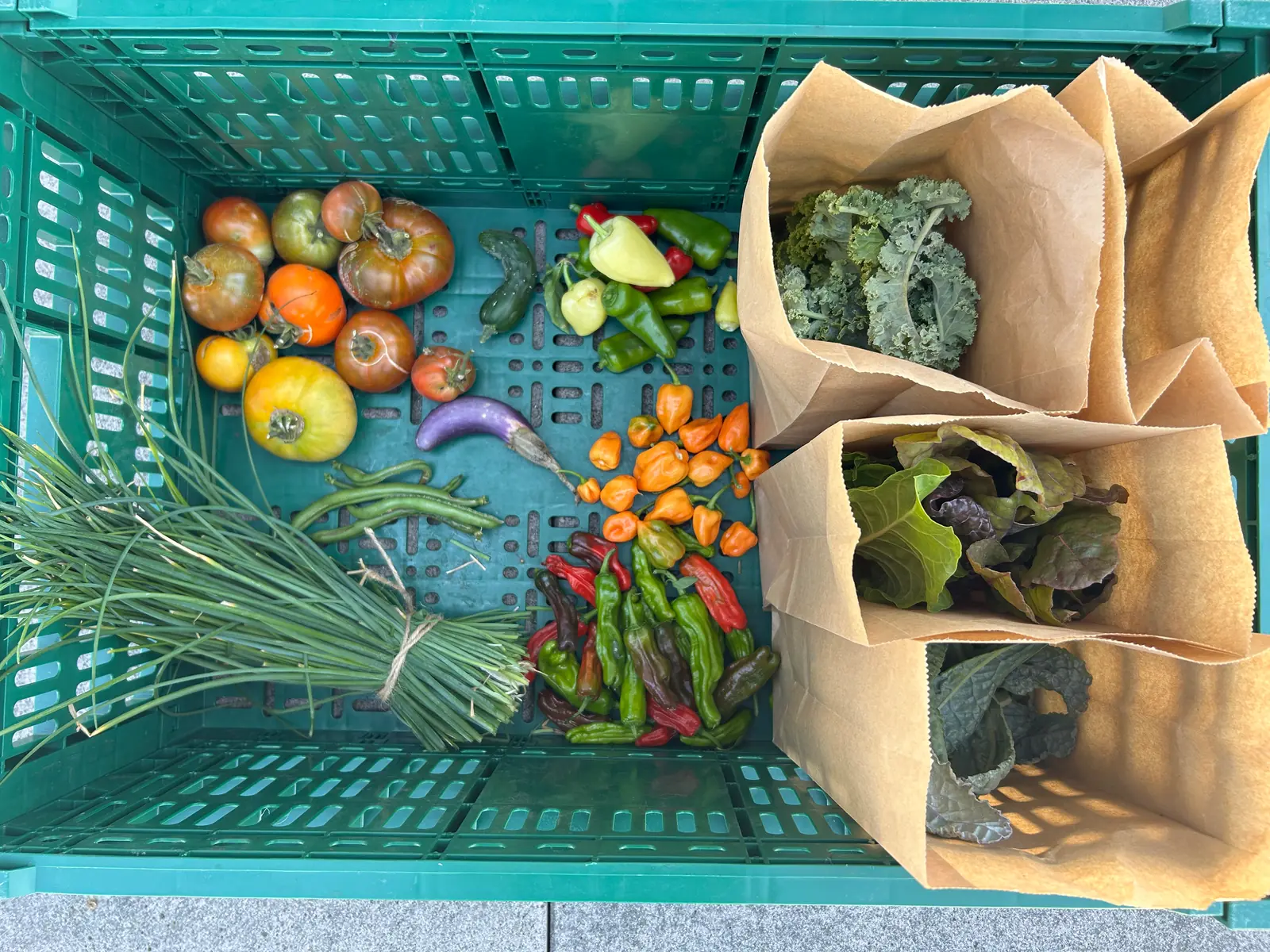
Another critical aspect of navigating the demand for urban green spaces is addressing issues related to food access and equity. Many urban residents lack access to fresh produce, which can exacerbate health disparities and food insecurity. Cities like Detroit and Oakland have implemented innovative programs aimed at increasing food access through urban agriculture, including community-supported agriculture (CSA) initiatives and mobile markets.
While the benefits of urban green spaces are clear, cities must also consider the economic implications of investing in these projects. Municipal governments can explore public-private partnerships to secure funding for green space development, or implement policies that incentivize private investment in sustainable infrastructure. By doing so, they can create jobs, stimulate local economies, and improve quality of life for residents.
Ultimately, navigating the demand for urban green spaces requires a multifaceted approach that balances environmental, social, and economic considerations. As American cities continue to grow and evolve, it is essential that policymakers prioritize investments in green infrastructure, engage with community stakeholders, and foster innovative partnerships to meet this pressing need.