The Basics of Urban Farming
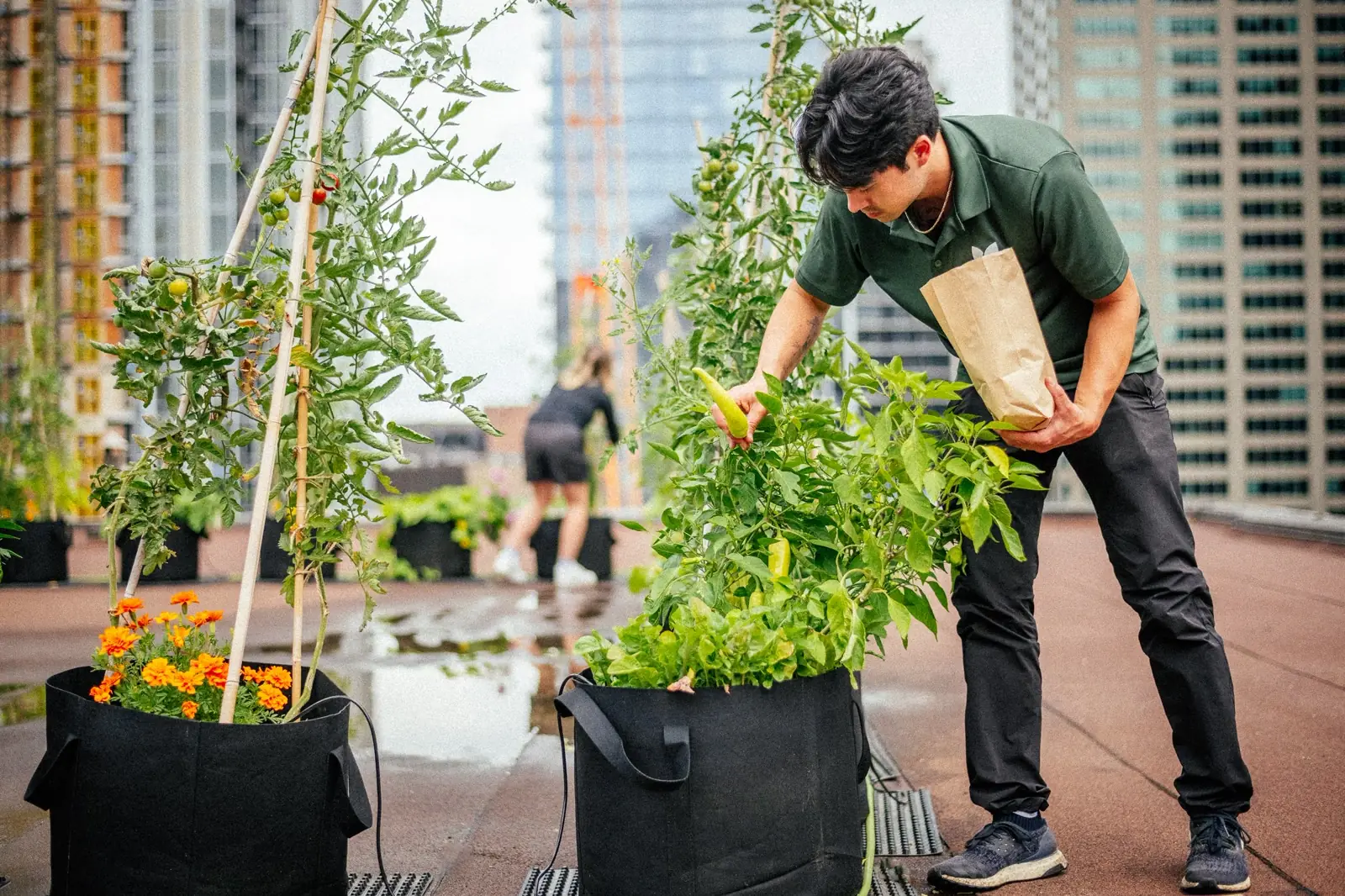
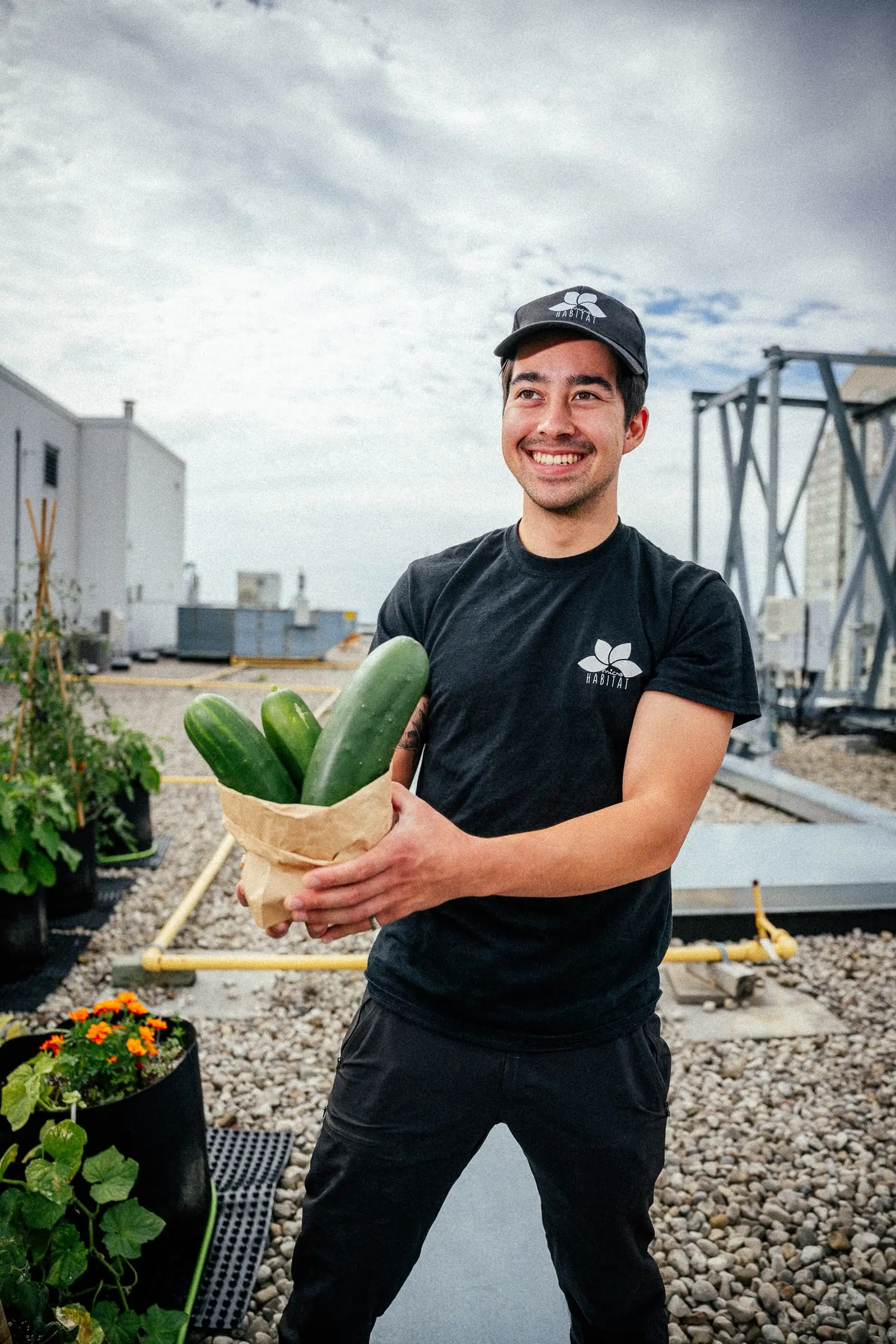
Urban farming is the practice of growing crops in an urban environment. This can be done on a small scale, such as on a rooftop or balcony, or on a larger scale, like in a community garden or even in a vacant lot.
Part of our guide: Urban Farming: The Complete Guide.
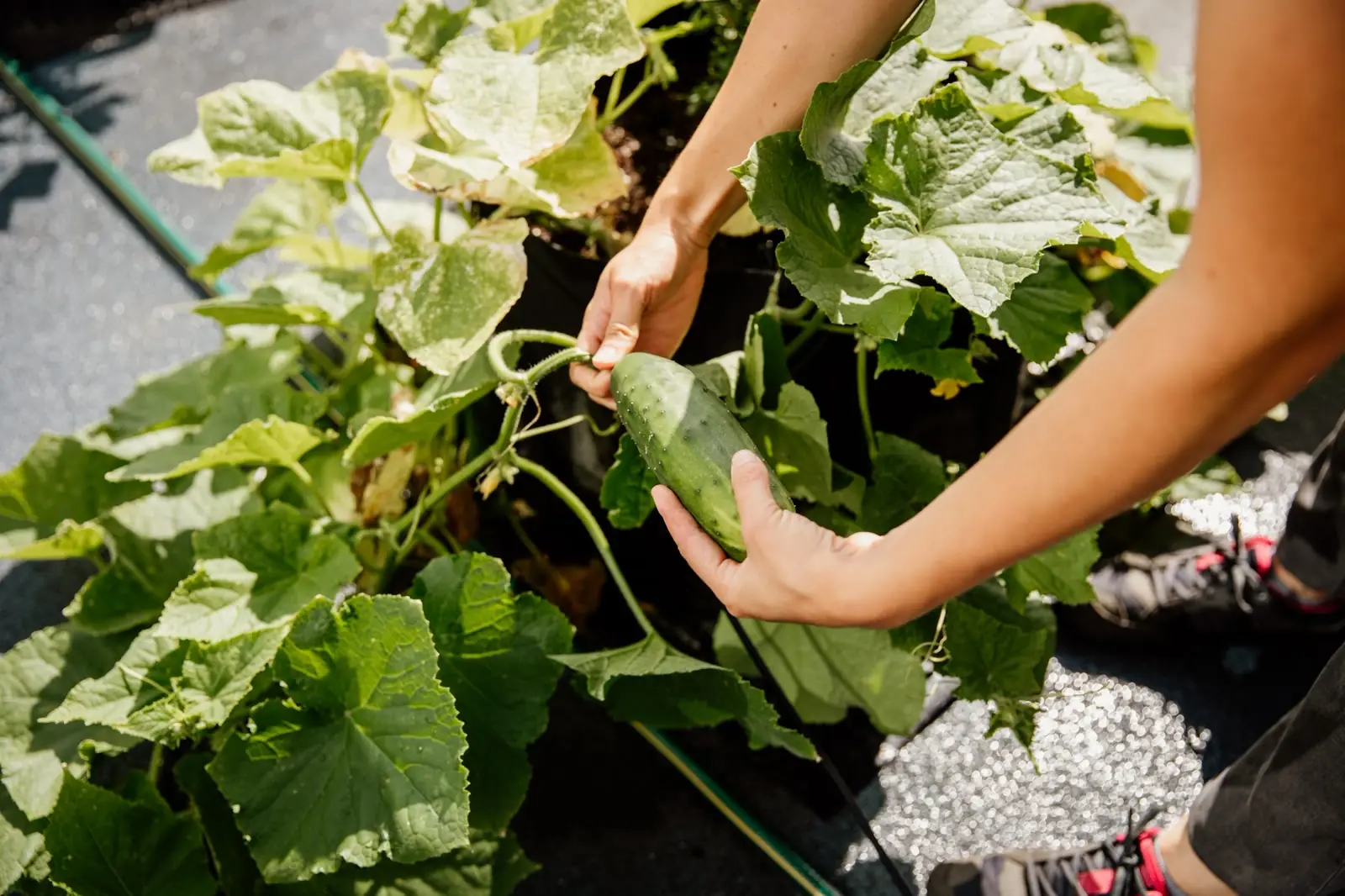
One of the key benefits of urban farming is that it allows people to grow their own food, regardless of their location or available space. This not only provides individuals with access to fresh produce but also helps reduce reliance on industrial agriculture and transportation systems.
Types of Urban Farming
There are several types of urban farming, including hydroponics, aeroponics, and container gardening. Hydroponics involves growing plants in a nutrient-rich solution rather than soil, while aeroponics is similar but uses a fine mist to deliver nutrients. Container gardening, on the other hand, involves growing plants in pots or containers.
Each type of urban farming has its own advantages and disadvantages, and the choice will depend on factors such as available space, budget, and personal preference.
Getting Started with Urban Farming
If you're interested in starting an urban farm, there are several things to consider. First, assess your available space and determine what type of crops you can grow. Next, research local regulations and obtain any necessary permits or licenses.
Finally, start small and be patient – urban farming requires a lot of planning, maintenance, and experimentation before it becomes successful.