Urban Agriculture for a Green and Resilient Recovery
As cities around the world grapple with the challenges of climate change, urban agriculture is emerging as a critical component in building resilient, sustainable communities. The United Nations recognizes the importance of sustainable urban development. By cultivating food in urban areas, individuals and organizations can reduce their reliance on industrial agriculture, decrease transportation emissions, and improve access to fresh produce for local residents.
Part of our guide: ESG and Urban Farming: The Complete Guide.
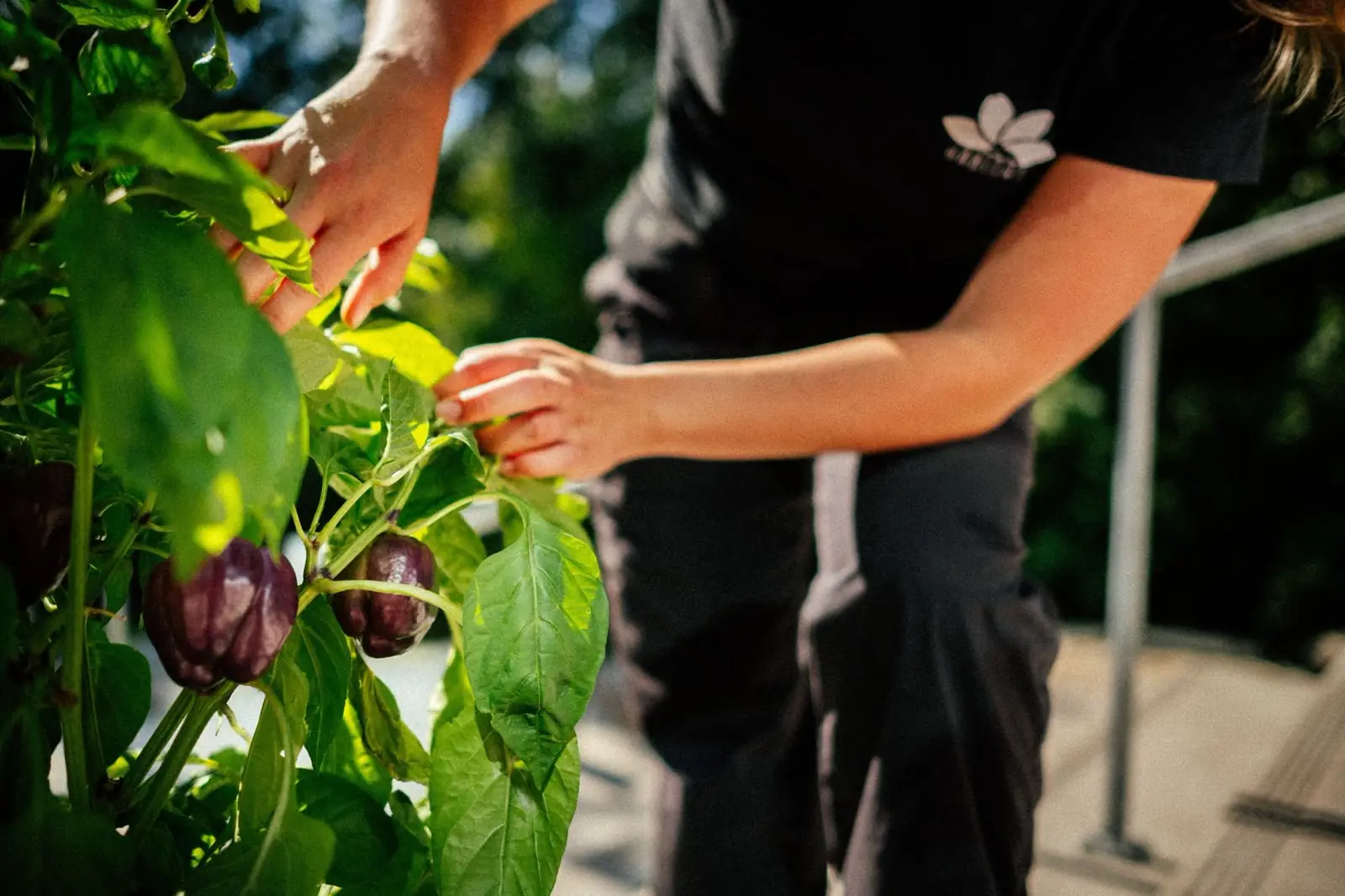
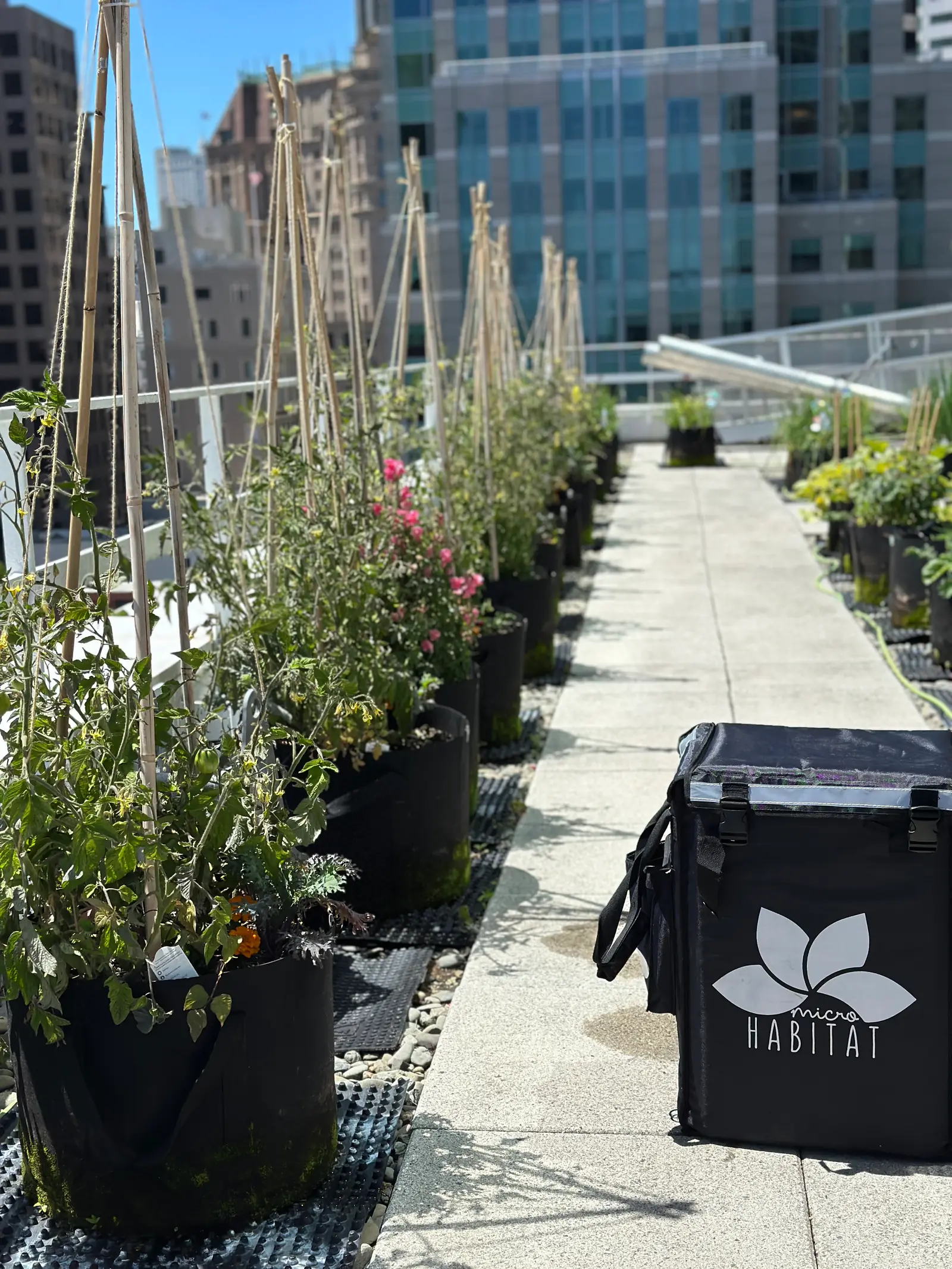
Urban agriculture encompasses a range of practices, from small-scale rooftop gardens to large-scale vertical farms. These initiatives not only provide a source of fresh produce but also serve as community hubs, fostering social connections and a sense of ownership among participants.
The Role of Urban Agriculture in Building Resilient Cities
Urban agriculture plays a crucial role in building resilient cities by providing a reliable source of food, reducing the urban heat island effect, and improving air quality. By incorporating green spaces into urban design, cities can also mitigate the impacts of extreme weather events, such as flooding and droughts.
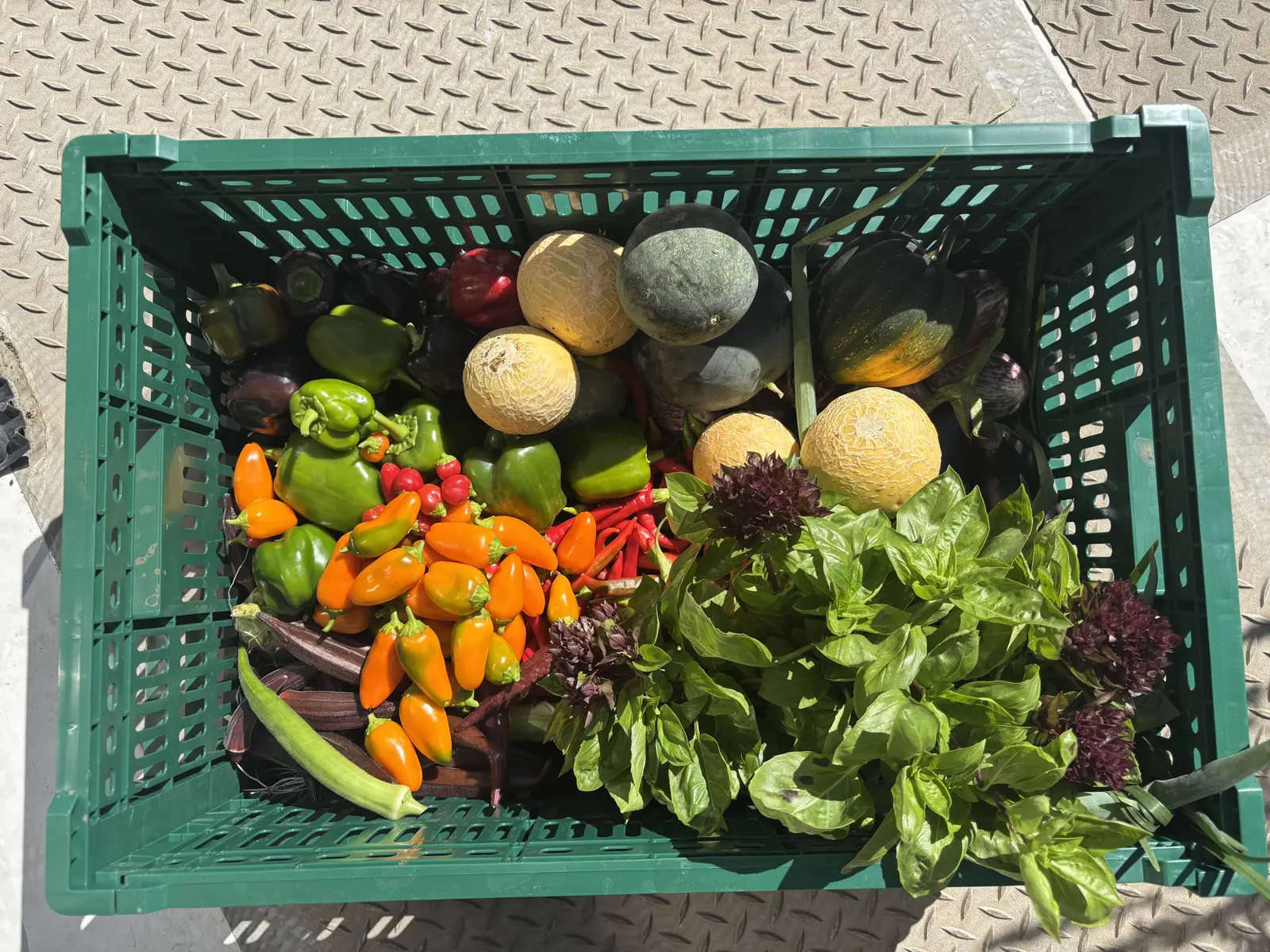
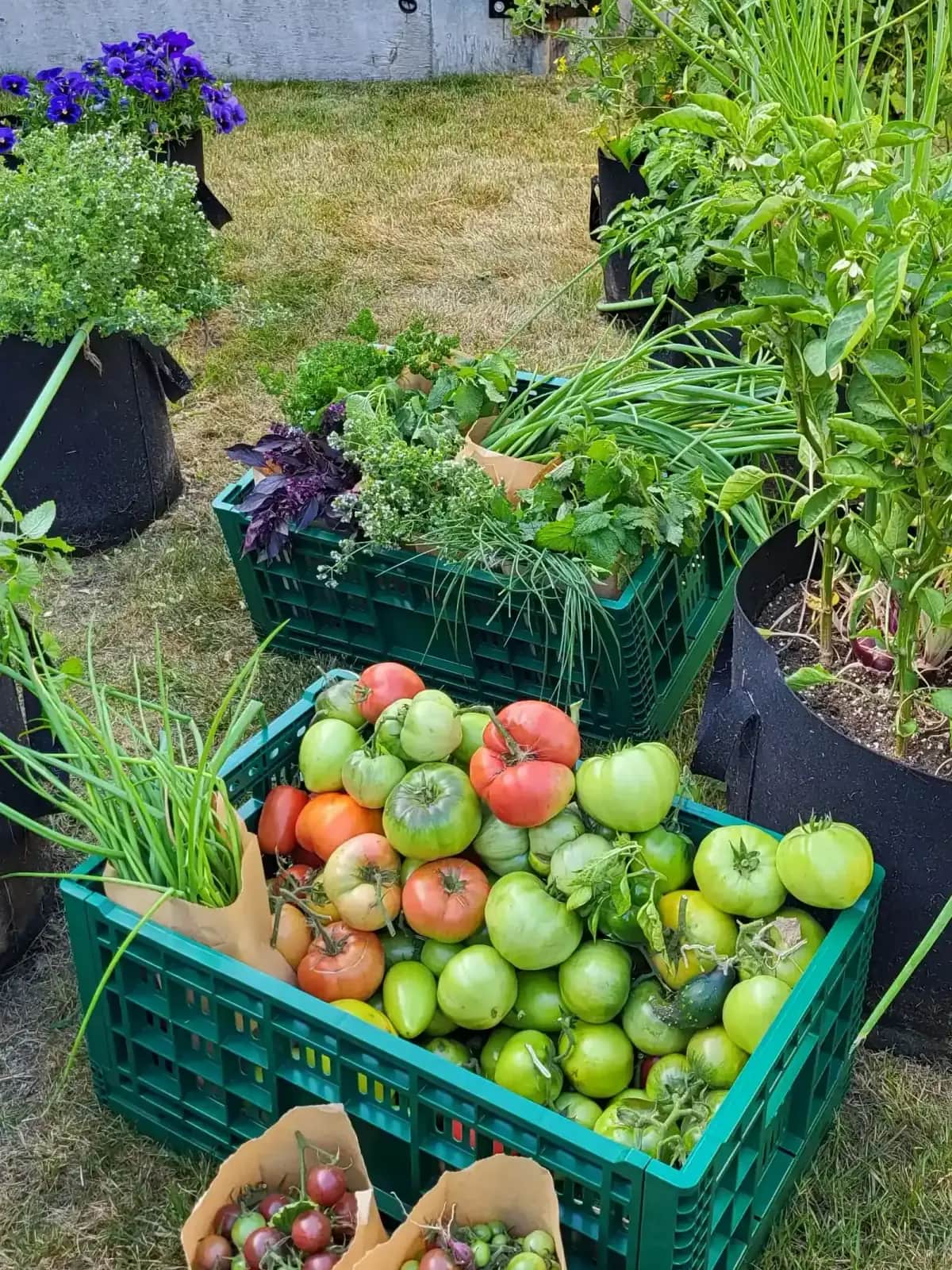
- Increased food security: Urban agriculture provides access to fresh produce for local residents, improving their overall health and well-being.
- Reduced carbon footprint: By reducing transportation emissions and promoting local food production, urban agriculture helps mitigate the impacts of climate change.
- Community engagement: Urban agriculture initiatives often serve as community hubs, fostering social connections and a sense of ownership among participants.
As cities continue to grow and evolve, incorporating urban agriculture into urban planning can help create more sustainable, resilient communities. By supporting local food production and promoting green spaces, we can build stronger, healthier cities for generations to come.