On this page
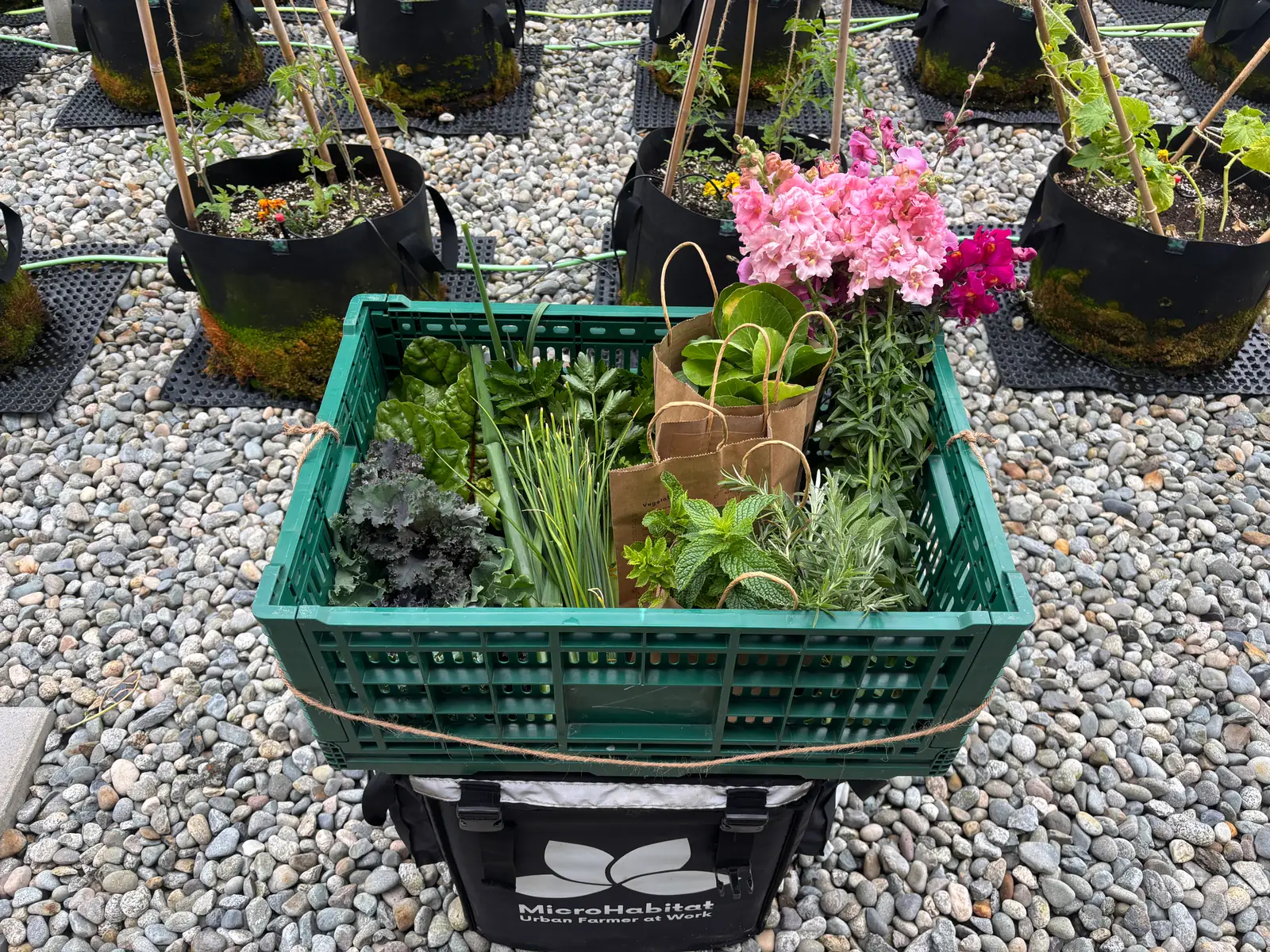
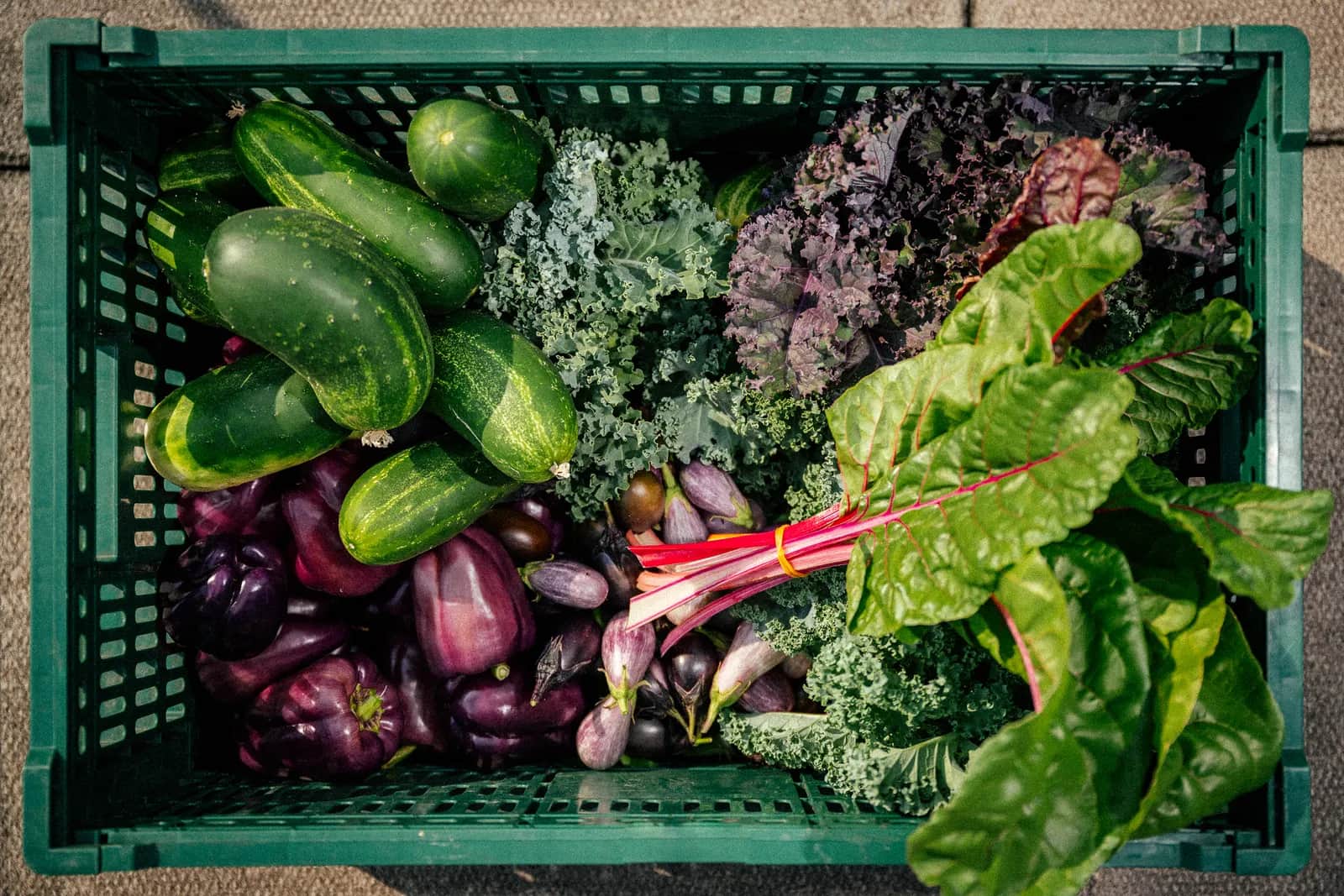
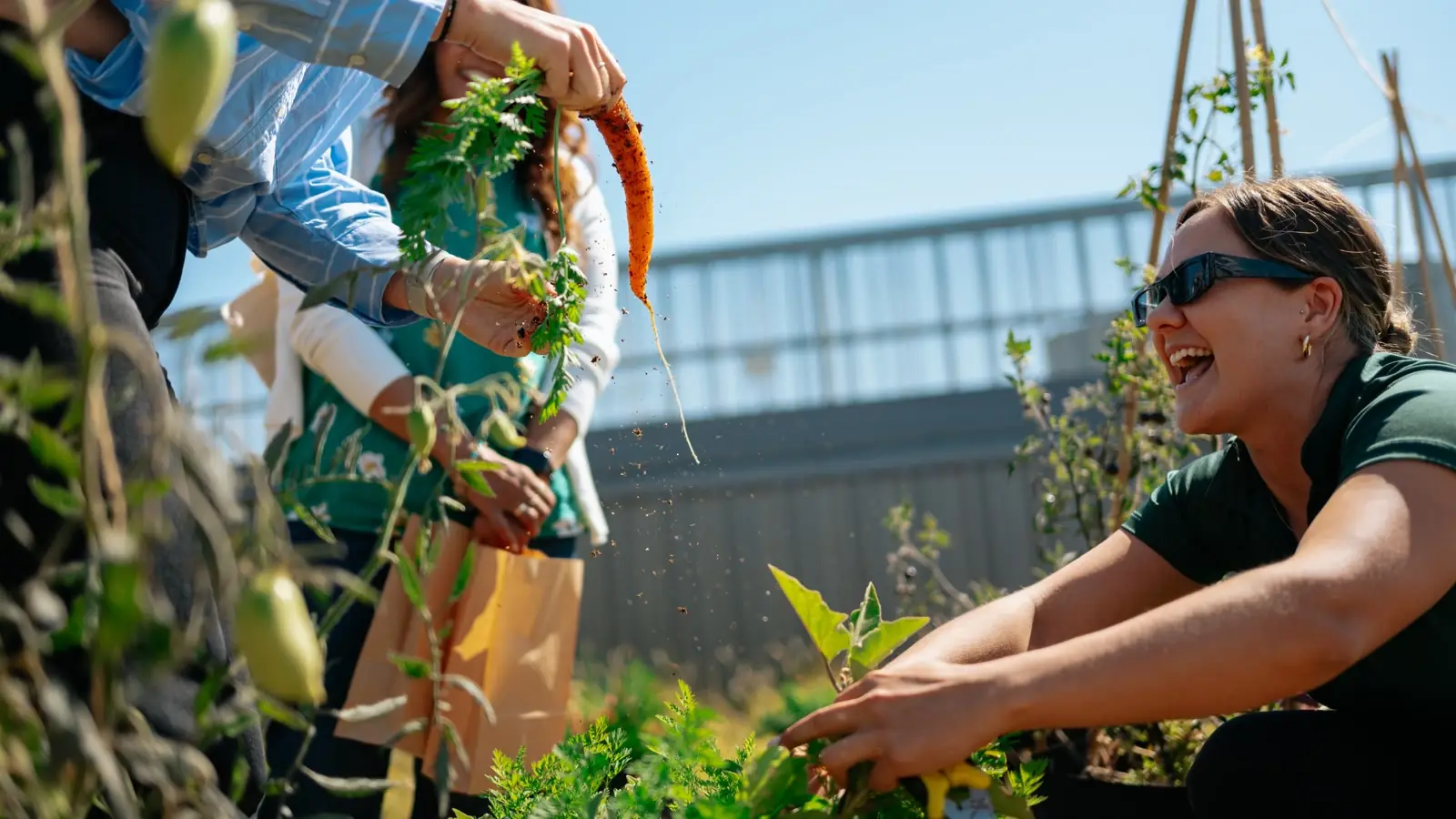
Picture a Thursday morning in late September, when the beds on the roof are at their most generous. The urban farmer has just filled a crate with kale, chard and the last of the tomatoes. It looks like the end of the story. For the family who will eat those vegetables, the story hasn’t started yet.
Somebody still has to pick the crate up. A food bank has to want what’s inside, have room to store it, and get it to people while the greens are still crisp. Those few steps between the roof and the table are where good intentions most often come apart, and they’re the part almost nobody photographs.
World Food Day falls on 16 October 2026, and this year FAO is talking about innovation. It’s easy to hear that word and think of sensors and new equipment. On a building with an urban farm, though, one of the most useful innovations is far humbler: a handover between the farmer and a community food organization that works, week after week.
It starts with a conversation, not a seed catalogue
The donation programs that work best tend to begin with a phone call. Before anything goes in the ground, ask the receiving organization what its community actually likes to eat, how much it can take in at once, and which days someone is there to receive it. A crop that looks wonderful in a photo can be a burden for a kitchen with no prep space. Cultural preferences, fridge space and volunteer hours all shape what “useful” means.
With those answers in hand, the urban farmer can work backwards. Sun, space and season set the limits of what a roof can grow, and early harvest projections are only estimates until the produce is picked and weighed. That’s fine. A small site doesn’t need to promise to end hunger. It needs to make a promise its partner can plan around, and then keep it.
Who carries the crate?
Between harvest and delivery, a lot can quietly go wrong: a pickup nobody confirmed, a volunteer away on holiday, greens washed when the partner asked for them unwashed. The fix is unglamorous. Decide who owns each step, and who steps in when that person is away. Keep the partner’s handling instructions next to the pickup details, and follow local food-safety rules rather than assuming every crop travels the same way.
A simple rhythm, agreed with the partner, might look like this:
- Before harvest: confirm what’s wanted, the pickup window and a backup contact.
- At harvest: note the crop, the date and the real weight, and set aside anything that isn’t fit to give.
- At pickup: record who collected it and what left the site.
- After delivery: check what was accepted, and what was turned away or sent elsewhere.
Every partner works a little differently, so treat this as a starting point to shape together. And if a pickup is missed one week, the right response is a quick call to sort it out, not a social post celebrating a donation that never reached anyone.
Tell the story the numbers can carry
When it’s time to share what the farm gave, keep three numbers apart: what was harvested, what was donated and what the partner actually received. Say the team picks 20 kilograms and the food bank accepts 16. Both figures are true, and the gap between them is useful. Write down why it happened, and next season’s plan gets better. (Those numbers are only an example, not results from a MicroHabitat farm.)
Photos can carry the colour and care of a harvest without exposing anyone. Close-ups of crops, hands and plain crates tell the story well. Ask before naming a partner, and never turn people who rely on food support into scenery for a campaign.
October is the right time to look back
Where the outdoor season is winding down, October is the natural moment to ask a few honest questions. What arrived too early, or too late? What came in quantities nobody could use? In warmer climates the calendar is different, but the same review works whenever the local season turns.
A good review leaves you with three things: a list of crops your partner really wants, a pickup plan you can rely on, and a short record of what was actually delivered. Those three pages also make next year’s budget conversation much easier, because the question shifts from how impressive the launch looked to what the program needs to keep working.
That’s the kind of program MicroHabitat sets out to build: professional urban farming on one side, community connection on the other, and a dependable handover holding the two together. Property teams don’t have to become farmers to take part. They only have to start with the people on the receiving end. (For the bigger picture of how food donations fit a building’s ESG story, see our guide to ESG and urban farming.) A harvest really counts once it reaches someone’s table.