Agronomy Jobs in Canada: Career Guide
Agronomy jobs in Canada: where the roles are, what they pay, the qualifications you need, and how urban farming is creating new agronomy careers fast.
On this page
Quick answer: Agronomy jobs in Canada cover crop, soil, and plant-science roles across traditional agriculture and a fast-growing urban-farming sector. Demand is steady nationwide, salaries are competitive, and urban agriculture is opening new agronomy careers in cities like Montreal, Toronto, and Vancouver — often valuing applied growing expertise alongside formal credentials.
Search agronomy jobs Canada today and you will find roles well beyond the Prairie grain belt. If you want a science-led career that produces something real, agronomy is among the most stable and broadly distributed work in the green economy. Agronomy is the science of crop and soil management — turning research on plants, nutrients, water, and pests into food that actually grows in the field. Canada's enormous agricultural base keeps demand consistent from the Prairies to the coasts, and a newer wave of urban farming is now creating agronomy roles inside cities themselves. This guide walks through the real job market, where the roles concentrate, what they pay, the qualifications employers screen for, and a concrete path to getting hired — whether you are a graduate, a career-changer, or a grower ready to go technical.
What does an agronomist do, and what is the agronomy job market in Canada like?
An agronomist applies plant and soil science to maximize crop yield, quality, and sustainability, and the agronomy job market in Canada is steady and geographically wide because agriculture is one of the country's largest economic sectors. Day to day, agronomists plan what to plant and when, test and interpret soil, diagnose pests and disease, manage fertilizer and irrigation programs, and advise growers on decisions that move yields and protect the land. The work blends lab and data analysis with hands-on field scouting through the season.
Canada's agriculture and agri-food system is a major employer and a significant share of national GDP, which is why agronomy demand holds up even when other sectors wobble — crops have to be grown every year regardless of the business cycle. The Canadian Society of Agronomy, the country's professional body for the discipline, describes agronomy as a profession that links research, practice, and the wider food system, and the breadth of that mandate is exactly why agronomy roles appear across so many employers: input suppliers, co-operatives, seed and crop-protection companies, government and research stations, food processors, and a growing list of urban-farming operators.
The headline for job-seekers is that this is a resilient, science-based field with multiple entry points — not a single narrow job. You can come at it from crop science, soil science, plant biology, environmental science, or applied growing experience, and find a version of agronomy that fits.
Where are the agronomy jobs in Canada — which regions and sectors?
Agronomy jobs in Canada concentrate in the major crop-producing provinces but exist in every region, and the sector mix is broadening from traditional field agriculture into food companies, government, research, and urban farming. The Prairies — Saskatchewan, Alberta, and Manitoba — anchor the largest share of field-crop agronomy roles because that is where the bulk of Canada's grains, canola, and pulses are grown. Ontario and Quebec add a deep base of agronomy work across mixed farming, horticulture, processing, and a dense network of agri-food businesses. British Columbia and the Atlantic provinces round out the map with horticulture, specialty crops, and a rising urban-agriculture presence.
By sector, agronomy hiring clusters into a few recognizable lanes:
- Crop input and retail agronomy — agronomists employed by ag-retailers, co-operatives, seed, fertilizer, and crop-protection companies who advise farm customers and drive product recommendations.
- On-farm and production agronomy — specialists working directly for large farms or farm groups to manage agronomic decisions across the season.
- Government, research, and academia — roles in federal and provincial agriculture departments, research stations, and universities focused on trials, extension, and policy.
- Food, processing, and supply chain — agronomists who manage grower programs and crop quality for processors and food brands.
- Urban and controlled-environment agriculture — a newer and fast-expanding lane where agronomy expertise is applied to rooftop farms, vertical systems, and city-based growing.
This last category is where the geography flips: instead of following the crops to rural regions, these agronomy careers follow people and buildings into the densest cities in the country. It overlaps closely with the wider field of urban agriculture jobs, which spans community farming, food-systems organizations, and indoor growing operations.
How much do agronomists make in Canada, and what qualifications do you need?
Agronomists in Canada typically earn competitive mid-career salaries, with most full-time roles falling within a broad band that rises with experience, technical depth, and responsibility — and the standard entry qualification is a bachelor's degree in agronomy, crop science, soil science, or a related plant-science field. Pay varies by region, sector, and whether a role is field-based, sales-linked, or research-focused. The Government of Canada's Job Bank classifies most of these roles under "agricultural representatives, consultants and specialists" and publishes current wage ranges by province, which is the best free, official source to check live pay for your specific location.
Qualifications follow a fairly consistent ladder. A four-year degree is the common gate for the "agronomist" title itself; entry-level technician and field-scout roles often accept a diploma plus growing experience; and senior consulting or research roles increasingly expect a graduate degree or a professional agrology designation. In several provinces, using the title "professional agrologist" requires registration with a provincial institute of agrology — a credential worth knowing about early if you want the regulated designation.
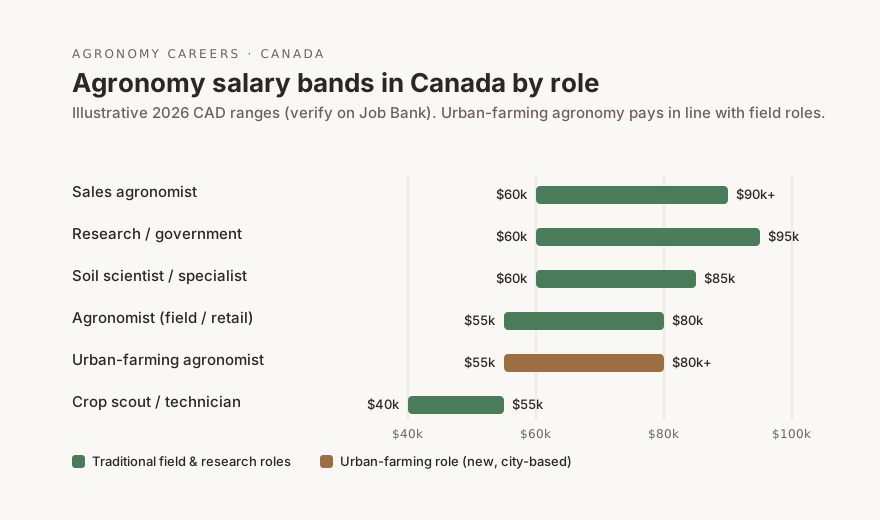
The table below maps the main agronomy and adjacent roles in Canada to typical pay bands and the qualifications employers look for. Treat the figures as realistic 2026 Canadian ranges; verify exact numbers for your province and employer on Job Bank, since offers vary by region and sector.
| Role | What you do | Typical pay (Canada, CAD) | Common requirements |
|---|---|---|---|
| Crop scout / agronomy technician | Field scouting, sampling, pest and disease monitoring, data logging | ~$40k–$55k / yr | Diploma or in-progress degree; growing/field experience |
| Agronomist (field / retail) | Crop plans, soil and input recommendations, advise growers | ~$55k–$80k / yr | Bachelor's in agronomy, crop, soil, or plant science |
| Sales agronomist | Agronomic advice tied to seed, fertilizer, or crop-protection sales | ~$60k–$90k+ / yr | Degree + sales/customer skills; valid driver's license |
| Soil scientist / specialist | Soil health analysis, fertility programs, trials and research | ~$60k–$85k / yr | Degree in soil/environmental science; lab and data skills |
| Research / government agronomist | Field trials, extension, policy, applied crop research | ~$60k–$95k / yr | Bachelor's or graduate degree; research methods |
| Urban-farming agronomist / growing specialist | Set crop plans, troubleshoot pests and substrate, optimize yield on city farms | ~$55k–$80k+ / yr | Agronomy/horticulture degree or strong applied growing expertise |
How is urban farming creating new agronomy roles in Canada?
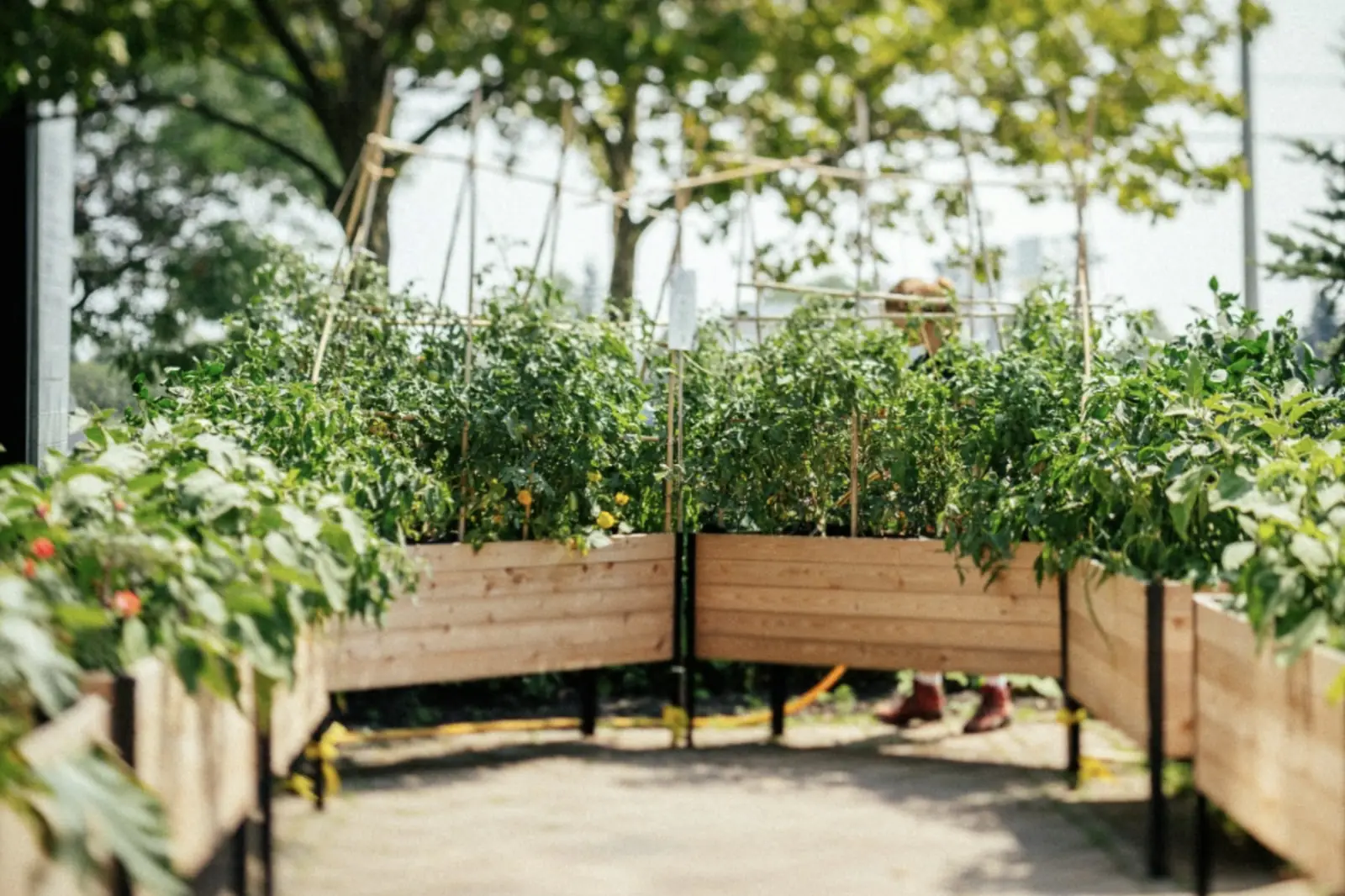
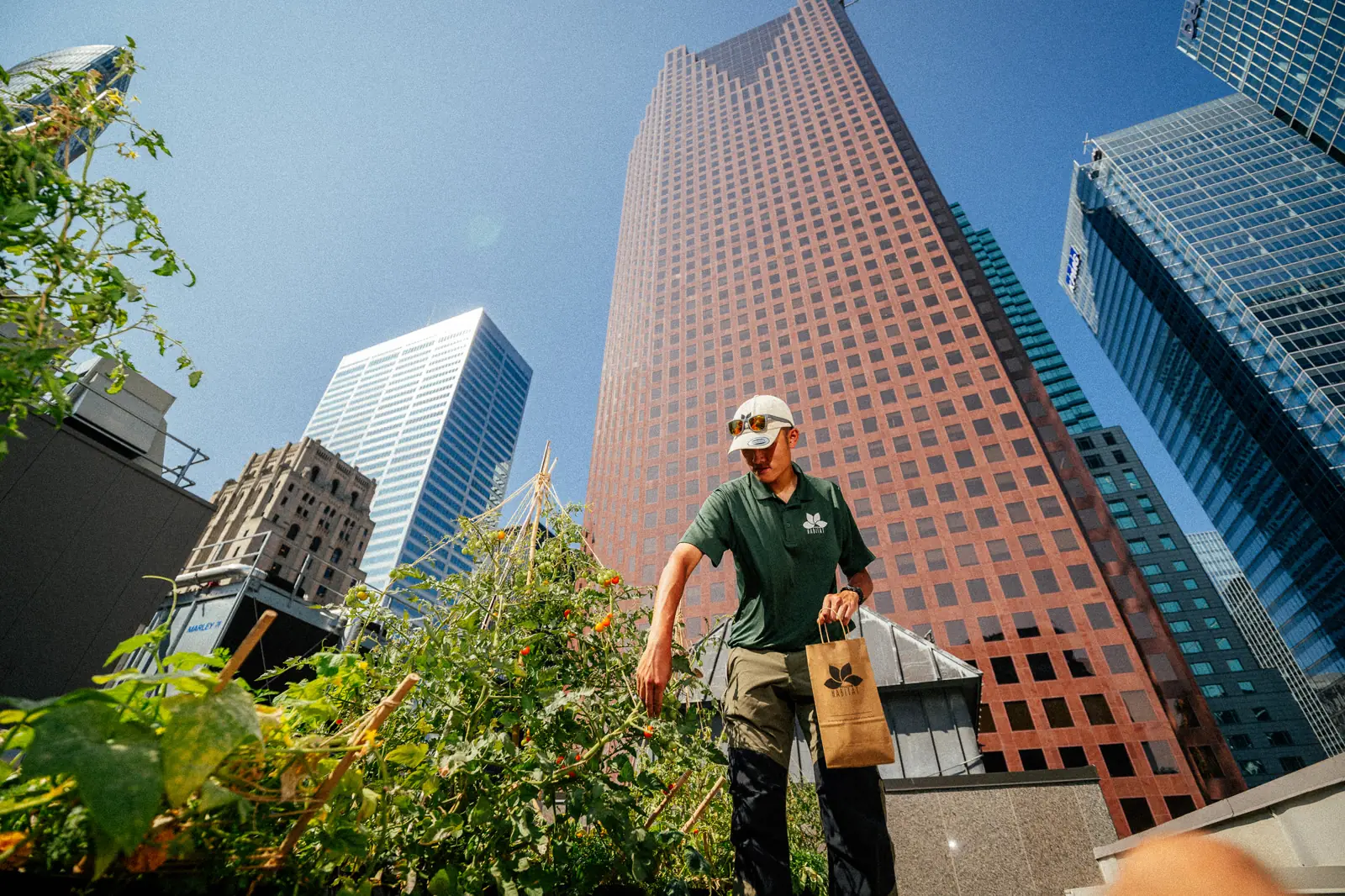
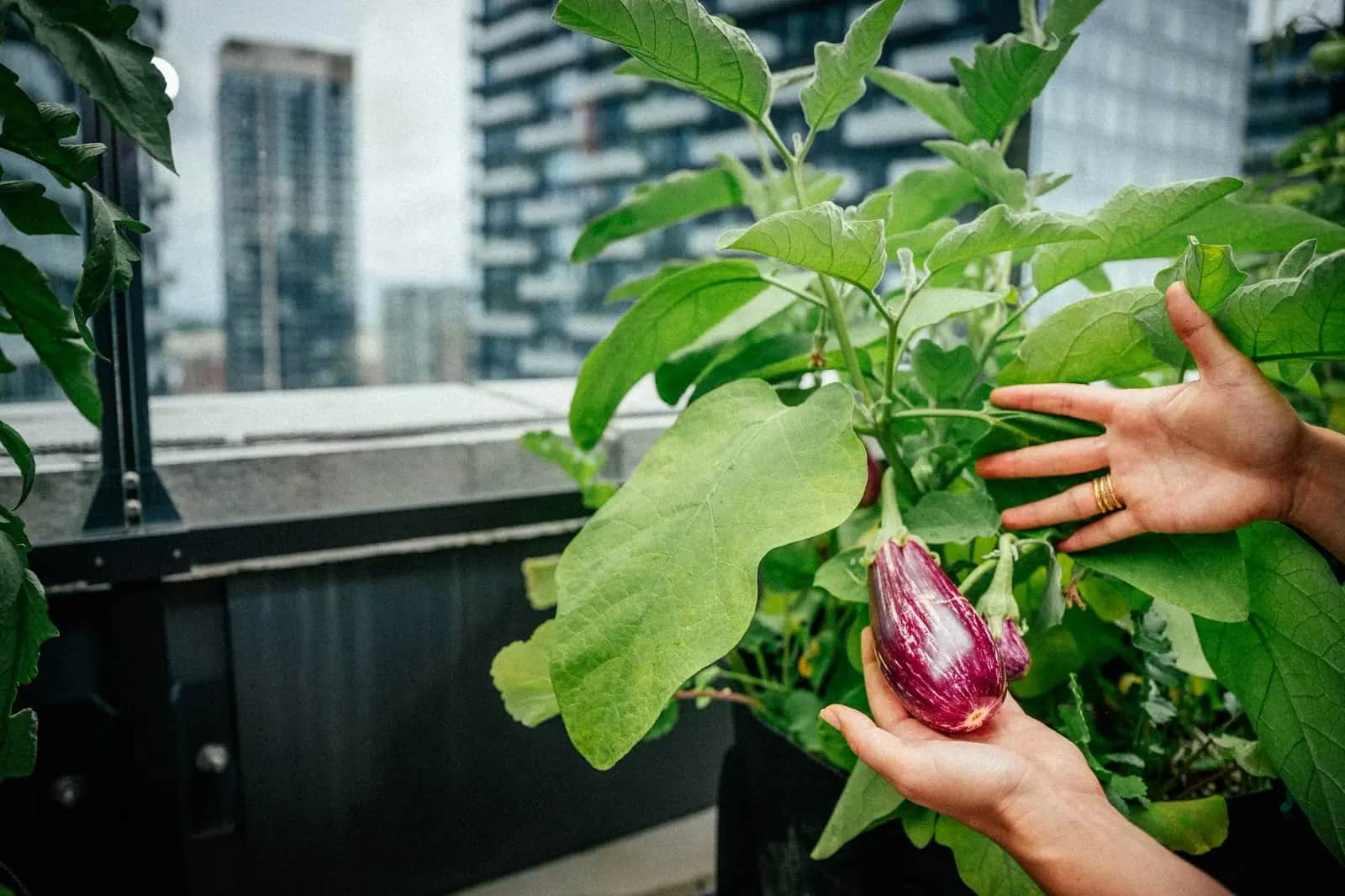
Urban farming is creating new agronomy roles in Canada by bringing crop and soil science into cities — agronomists are now needed to run productive farms on commercial rooftops, corporate grounds, and in controlled-environment systems, often valuing hands-on growing expertise as much as a formal credential. Instead of advising on thousands of rural acres, an urban-farming agronomist designs and optimizes intensive growing across many small, high-visibility sites in the same metro area, managing crop selection, substrate and nutrients, pest pressure, and yield in a dense, weather-exposed, public-facing environment.
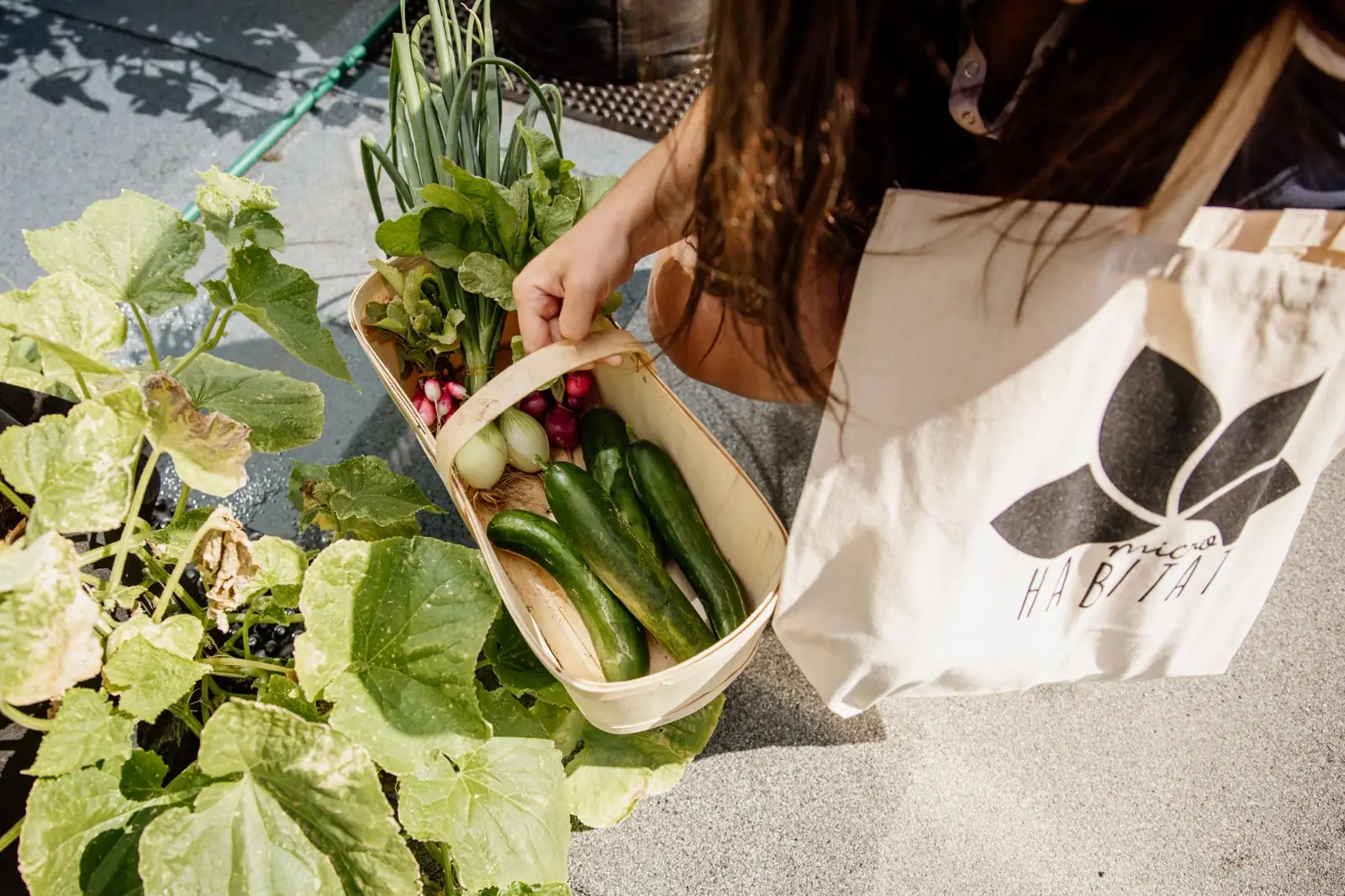
This matters because the demand driver is different. A company like Microhabitat installs and maintains on-site farms for corporate and real-estate clients, runs educational programming for tenants, and reports on outcomes — so its agronomy roles sit inside a service business, not a commodity-crop operation. That creates a distinctive blend of work: an urban-farming agronomist or growing specialist plans crops across a portfolio of city sites, trains and supports seasonal growers, and translates field results into client-ready outcomes. Across Microhabitat's installations in North America and Europe, applied growing skill and reliability often weigh as heavily in hiring as formal agronomy credentials — which makes this an unusually open door for graduates and career-changers alike. If the model is new to you, it helps to first understand what urban farming involves before deciding whether a city-based agronomy role fits.
For Canadian job-seekers, the practical upshot is that you no longer have to relocate to the Prairies to build an agronomy career. Montreal, Toronto, and Vancouver — cities with large stocks of flat commercial rooftops and active green-building programs — are generating agronomy and growing-specialist roles tied directly to urban agriculture. These positions overlap heavily with the broader category of urban farming jobs, and they reward exactly the mix of science and hands-on craft that defines good agronomy.
How do I get hired for agronomy jobs in Canada (and are they in demand)?
You get hired for agronomy jobs in Canada by pairing a relevant plant-science credential or demonstrable growing experience with hands-on field exposure, then targeting the right sector and applying early in the hiring season. The most reliable path follows a clear sequence of steps that turns a degree or a growing background into a hireable agronomy profile.
- Build the credential or the equivalent experience. A bachelor's in agronomy, crop, soil, or plant science is the standard gate; if you are coming from growing, stack a diploma, certificate, or documented field experience to match.
- Get real field exposure. A summer as a crop scout, a research-station internship, a co-op placement, or seasons on a farm prove you can apply the science outdoors, not just on paper.
- Pick your lane. Decide whether you want retail/sales agronomy, on-farm production, research and government, food-supply-chain work, or urban and controlled-environment agriculture — the application strategy differs for each.
- Consider professional registration. If you want the "professional agrologist" title, look up your provincial institute of agrology early, since the path to designation takes planning.
- Apply on the hiring calendar. Field and seasonal agronomy roles staff up heading into the growing season; apply in late winter and early spring for the strongest pipeline.
- Target urban-farming employers directly. Operators that install and maintain city farms — like Microhabitat — hire growing specialists and agronomy-minded staff across Canadian markets; watch their careers pages and apply early.
As for demand: agronomy jobs Canada-wide remain in steady demand because food production is non-discretionary, the agricultural workforce is aging, and the rise of sustainability-driven and urban agriculture is adding entirely new roles on top of the traditional base. The encouraging reality is that agronomy in Canada is broad enough to enter from several directions and stable enough to build a long career on. Whether you head to a Prairie ag-retailer or a Montreal rooftop, the same fundamentals — sound plant and soil science, field judgment, and reliability — are what get you hired and promoted.
Ready to grow an agronomy career in Canada? View open positions → with Microhabitat and put your crop and soil-science skills to work on real urban farms.