On this page
Quick answer: An urban farm does not automatically deliver biodiversity net gain (BNG) units. In England, whether a proposal is in scope and whether its habitat contributes require separate checks. Start with the planning position, an appropriate baseline and a competent assessment using the relevant statutory metric.
Growing food can create opportunities to observe plants and wildlife and involve building users. Those benefits deserve accurate records. They do not, on their own, establish the quantified habitat improvement required by a planning obligation. A bag of harvested vegetables and a biodiversity unit describe different things.
Check applicability before setting a target
England’s mandatory BNG framework generally requires at least 10% gain for development in scope. Exemptions and transitional rules matter. The current exemptions guidance includes an exemption for applications made from 6 August 2026 where the development site within the red line boundary is 0.2 hectares or below. That exemption does not apply where the development decreases the biodiversity value of priority habitat on site.
The boundary is the development site, not just the footprint of the proposed planters. Do not measure a small growing area within a larger development and conclude that the whole scheme is exempt. Ask the planning adviser to check the application date, site boundary, habitat impacts and any applicable transition. Exemption from mandatory BNG also does not remove other planning or nature-conservation requirements.
Establish the habitat baseline
The government’s BNG overview explains how habitat type, extent, condition and location inform biodiversity units. Obtain the appropriate assessment before changing the site. For an urban roof, this means describing what is already present as well as what is proposed, rather than treating every existing roof as ecologically empty.
Ask a qualified ecologist to advise on the suitable assessment and habitat classification. Eligibility for the small sites metric has its own rules; it is not a reason to guess a habitat category. Give the assessor a scaled layout, planting and maintenance proposals, photographs and information about the intended life of the installation. Keep assumptions visible so they can be challenged.
Keep harvest and habitat evidence distinct
A simple reporting structure helps prevent accidental overclaiming:
- Food production: record measured harvest mass, dates and crop types.
- Engagement: record activities and attendance using an agreed method.
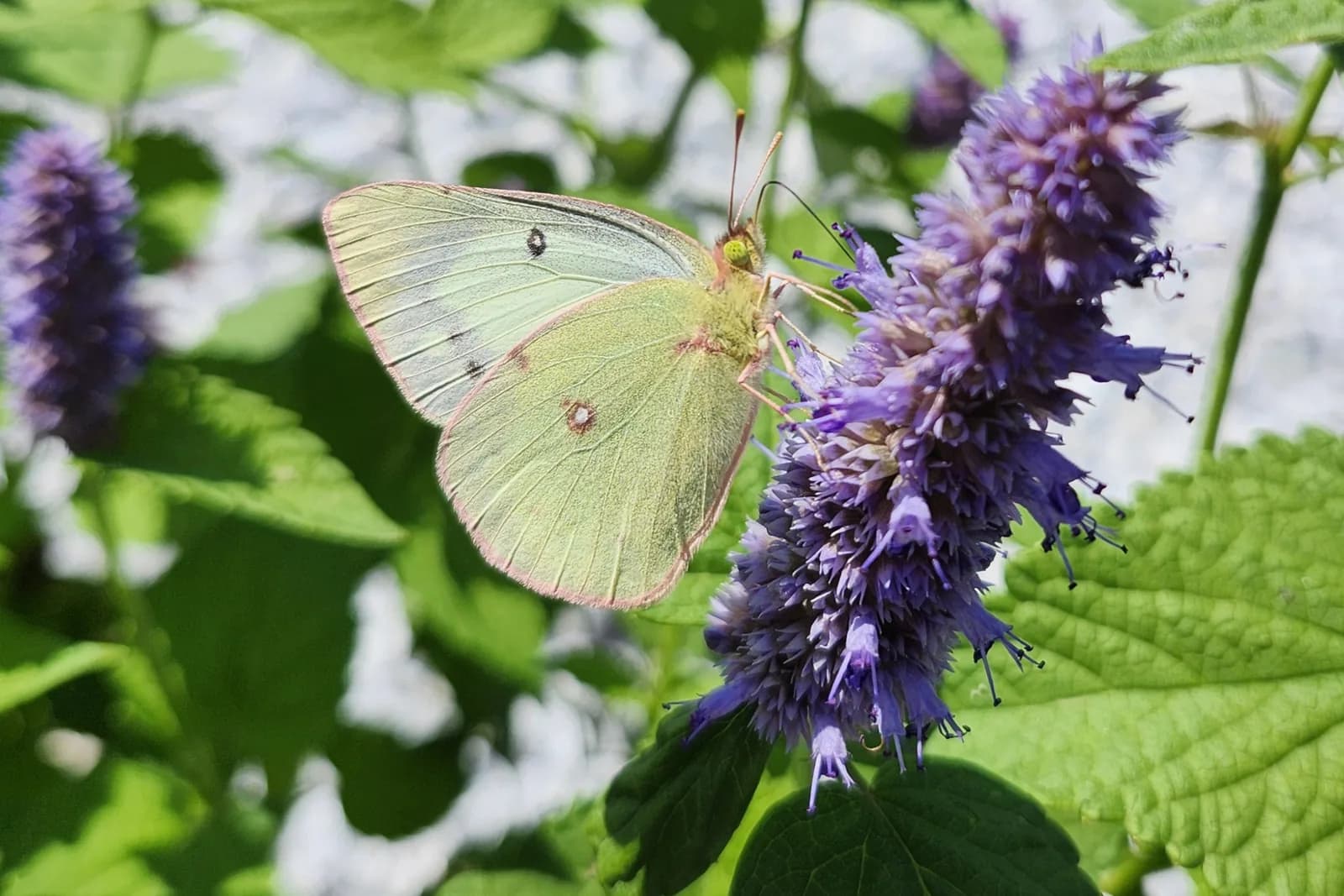
- Ecological observations: retain dated photographs, identified species and the observation method.
- BNG assessment: retain the baseline, metric version, calculations, assessor’s reasoning and applicable approvals.
The first three records may support a wider account of the farm, but none converts directly into BNG units. A photograph of a pollinator proves an observation at a particular time; it does not establish habitat condition or a quantified gain across the development. Avoid “BNG compliant” in an investor report unless the relevant assessment and approvals support that exact statement.
Plan for the commitment, not only the first season
Government guidance sets a minimum 30-year maintenance period for off-site gains and significant on-site gains. The obligations depend on the scheme and its legal arrangements. A seasonal farm service agreement should not be presented as satisfying a longer habitat commitment without a documented management and funding plan.
Discuss who controls the site, who maintains the habitat and how changes will be handled if the building changes owner or the roof needs repair. Separate replacement of crops from changes that could affect the assessed habitat. Monitoring needs a responsible person, a timetable and a route for correcting departures from the agreed plan.
Make a claim you can evidence
A useful starting statement is factual: the site contains a defined growing area, the team recorded particular activities, and an ecological assessment is complete or pending. Keep proposals, observations and approved outcomes in separate fields. If the project is exempt, explain that conclusion without implying a biodiversity certificate has been earned.
Read more about biodiversity at buildings, then bring the development boundary and any ecology reports to a discussion about a London urban farm. MicroHabitat can help organise farming and operational evidence; the project’s specialists and decision-makers establish the planning and ecological conclusions.
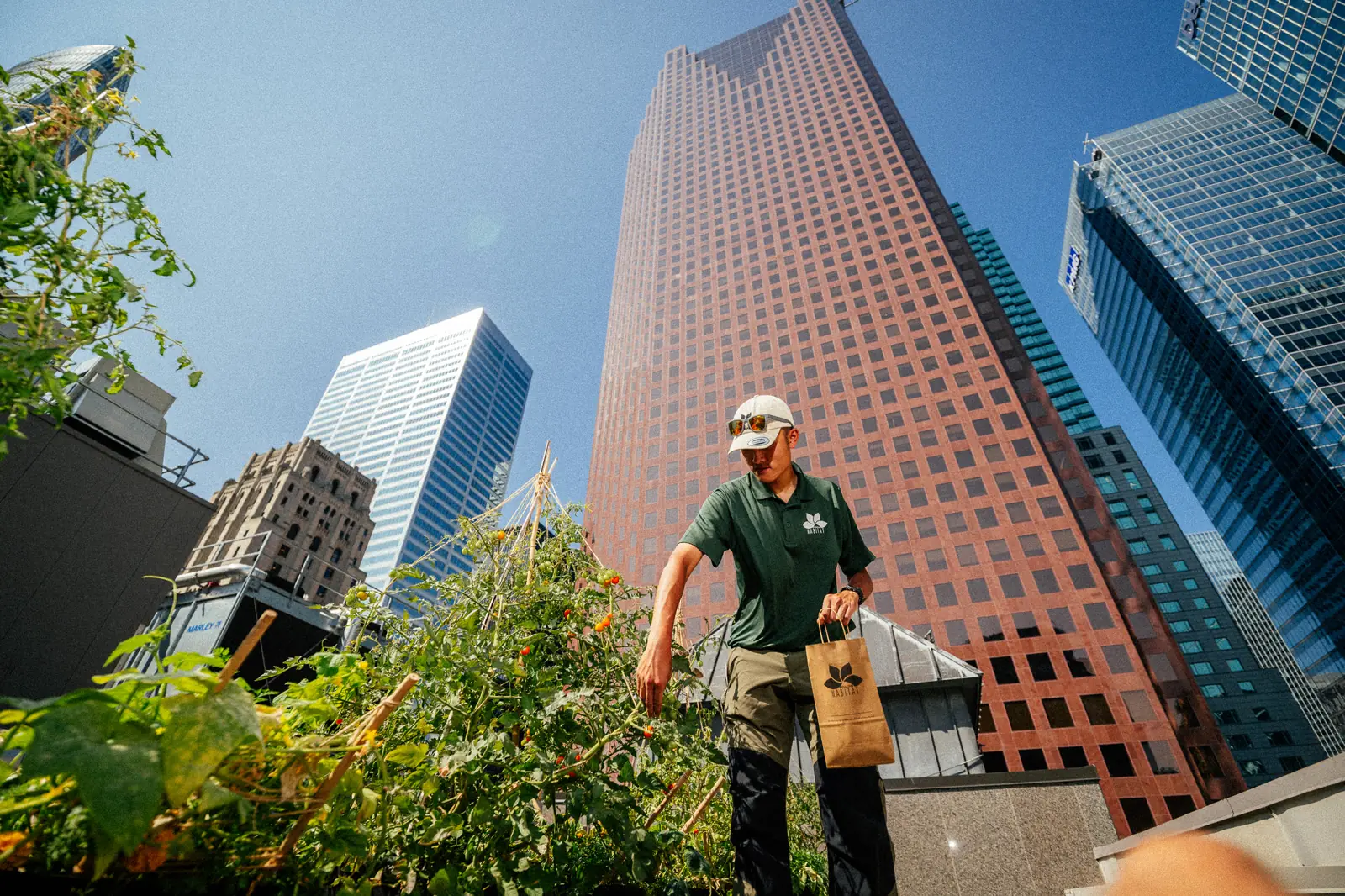
UK guidance checked on 22 October 2026. This article is a preparation guide, not a site-specific approval. Cover: a MicroHabitat photograph from North America, illustrating growing rather than a London installation or an approved safety arrangement.