Seasonal Urban Farm Jobs Guide
A complete guide to seasonal urban farm jobs: spring and summer roles, when to apply, what they pay, and how seasonal work can lead to a year-round career.
On this page
Quick answer: Seasonal urban farm jobs run mainly spring through summer and include growers, harvest crew, and farm assistants hired to cover the active growing season. Applications open in late winter to early spring, the work is hands-on and entry-friendly, and strong seasonal performers are often the first considered for permanent roles.
If you want hands-on outdoor work, a paycheck through the warm months, and a genuine foot in the door of the green economy, seasonal urban farm jobs are one of the most accessible ways in for 2026. These are real, paid roles on commercial rooftops and corporate grounds — planting, tending, and harvesting food where people actually live and work. The barrier to entry is low, employers expect to train, and a single strong season is the most common on-ramp to a year-round career. This guide covers what the roles involve, how spring and summer work differs, exactly when and how to apply, what the pay looks like, and how to turn one season into something lasting. If the field is new to you, it helps to first understand what urban farming involves before choosing where to apply.
What do seasonal urban farm jobs involve?
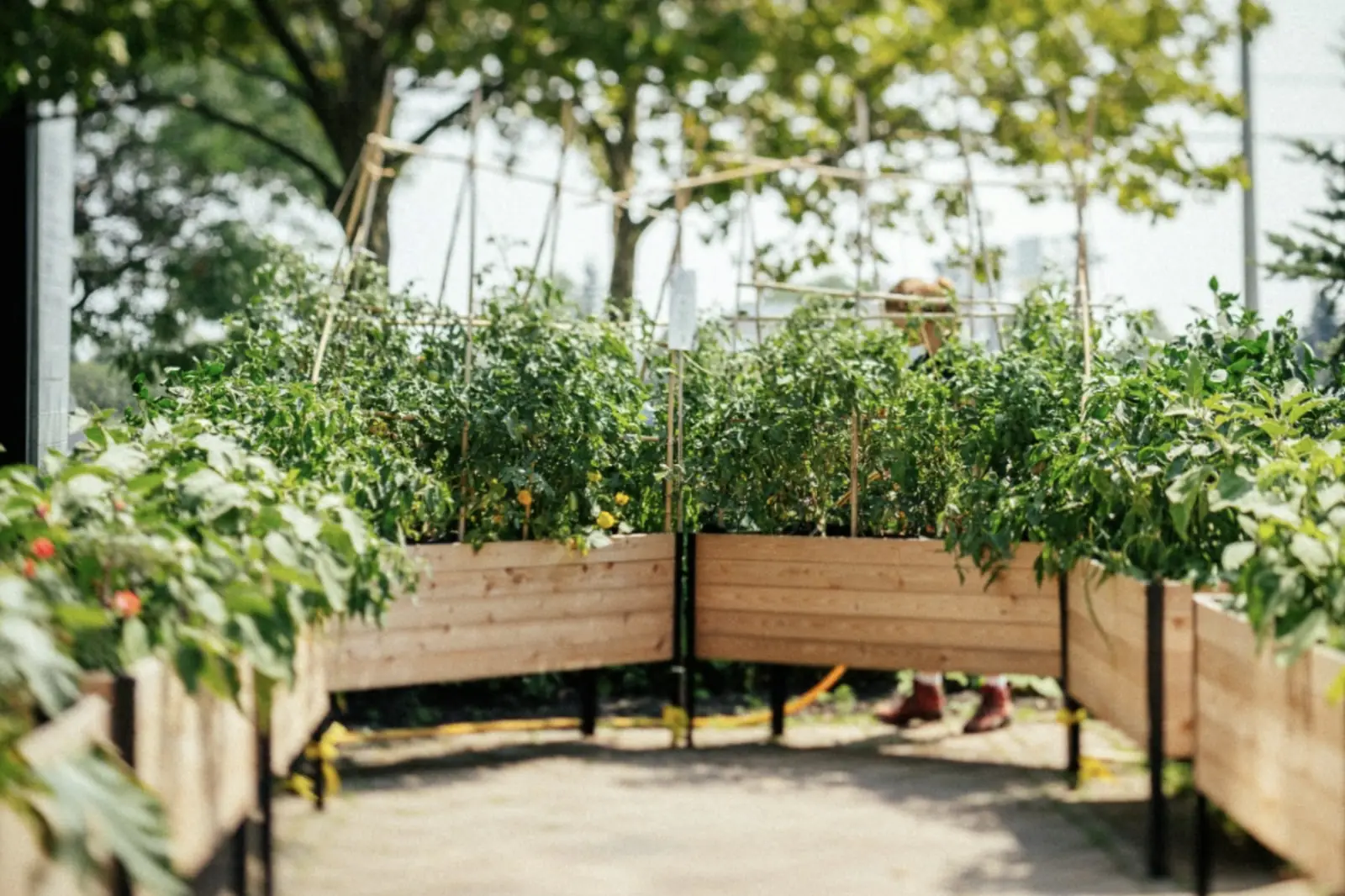
Seasonal urban farm jobs involve the hands-on, weather-exposed work of running a farm through its active growing months: seeding and transplanting in spring, watering and weeding through the heat, scouting for pests, and harvesting and packing produce for delivery or on-site distribution. Most seasonal hires are growers, farm assistants, or harvest crew attached to one or more installations, working alongside a permanent site lead who plans the crops and manages quality.
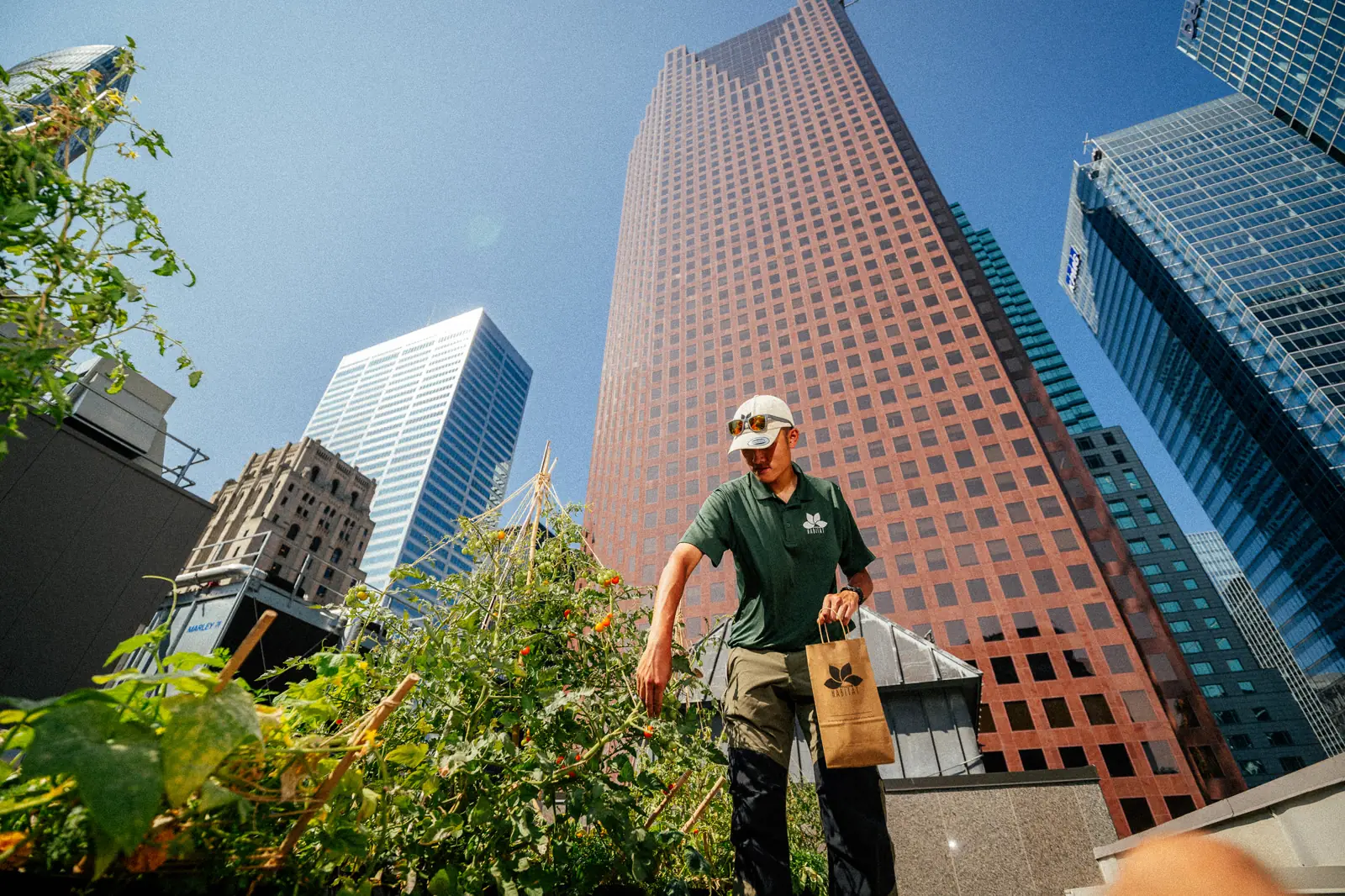
What makes urban farming distinct from rural seasonal work is that it blends agriculture with a service business. An operator like Microhabitat does not just grow food — it installs and maintains farms on client properties, runs educational programming for tenants, and reports on outcomes. That service layer means a typical seasonal day can include both farm tasks and a few minutes of being the friendly face a building's tenants see at a harvest event. The work is physical and outdoors, it follows the rhythm of the crops rather than a fixed desk schedule, and it rewards people who show up reliably and learn fast. These roles sit inside the broader world of urban farming jobs, which also includes the year-round technician, coordinator, and management positions that seasonal staff frequently grow into.
Typical seasonal responsibilities include:
- Planting and transplanting seedlings into beds, planters, or substrate at the start of the season.
- Daily crop care — watering, weeding, pruning, trellising, and checking irrigation.
- Pest and health scouting — spotting problems early and flagging them to the site lead.
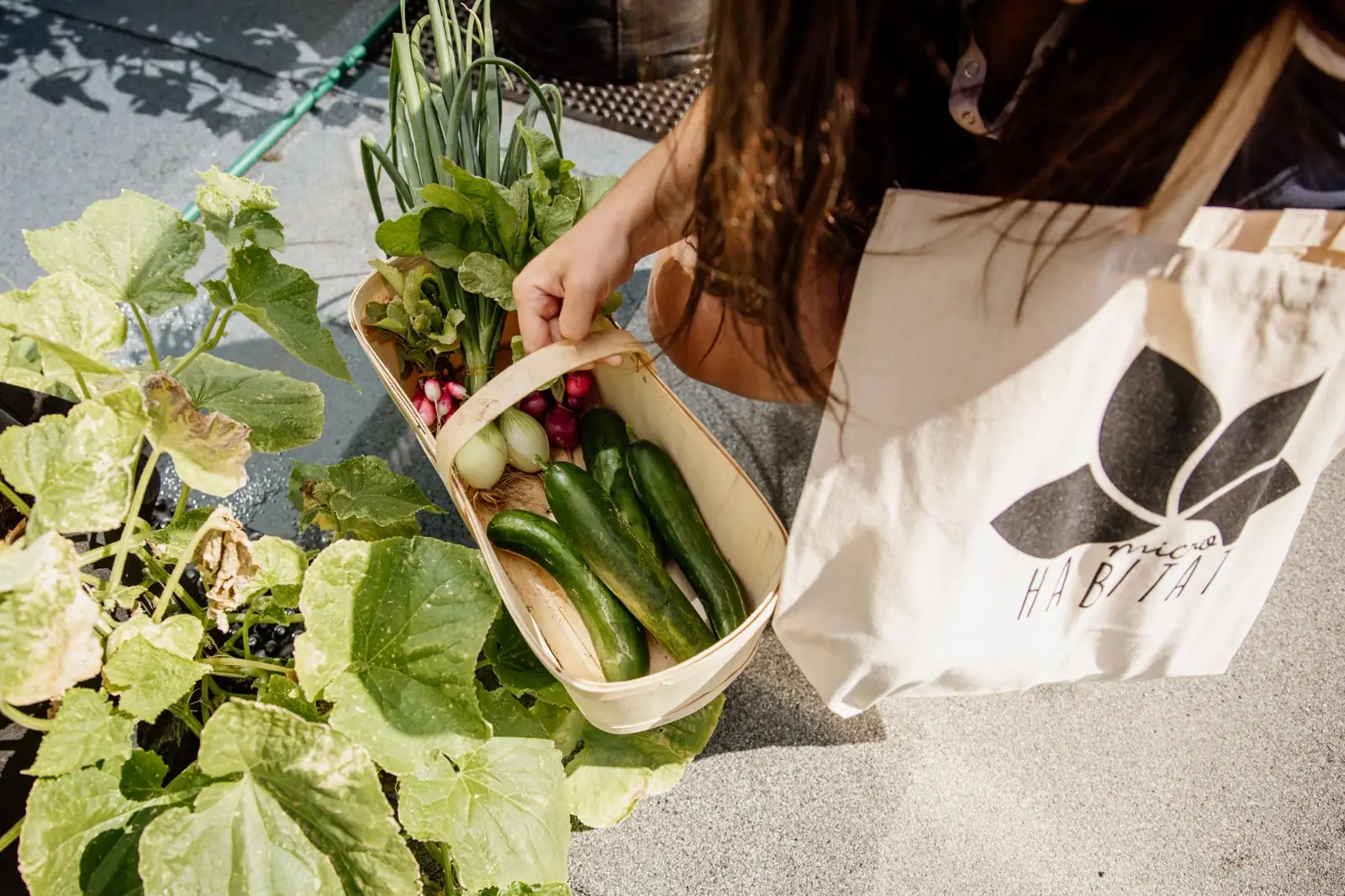
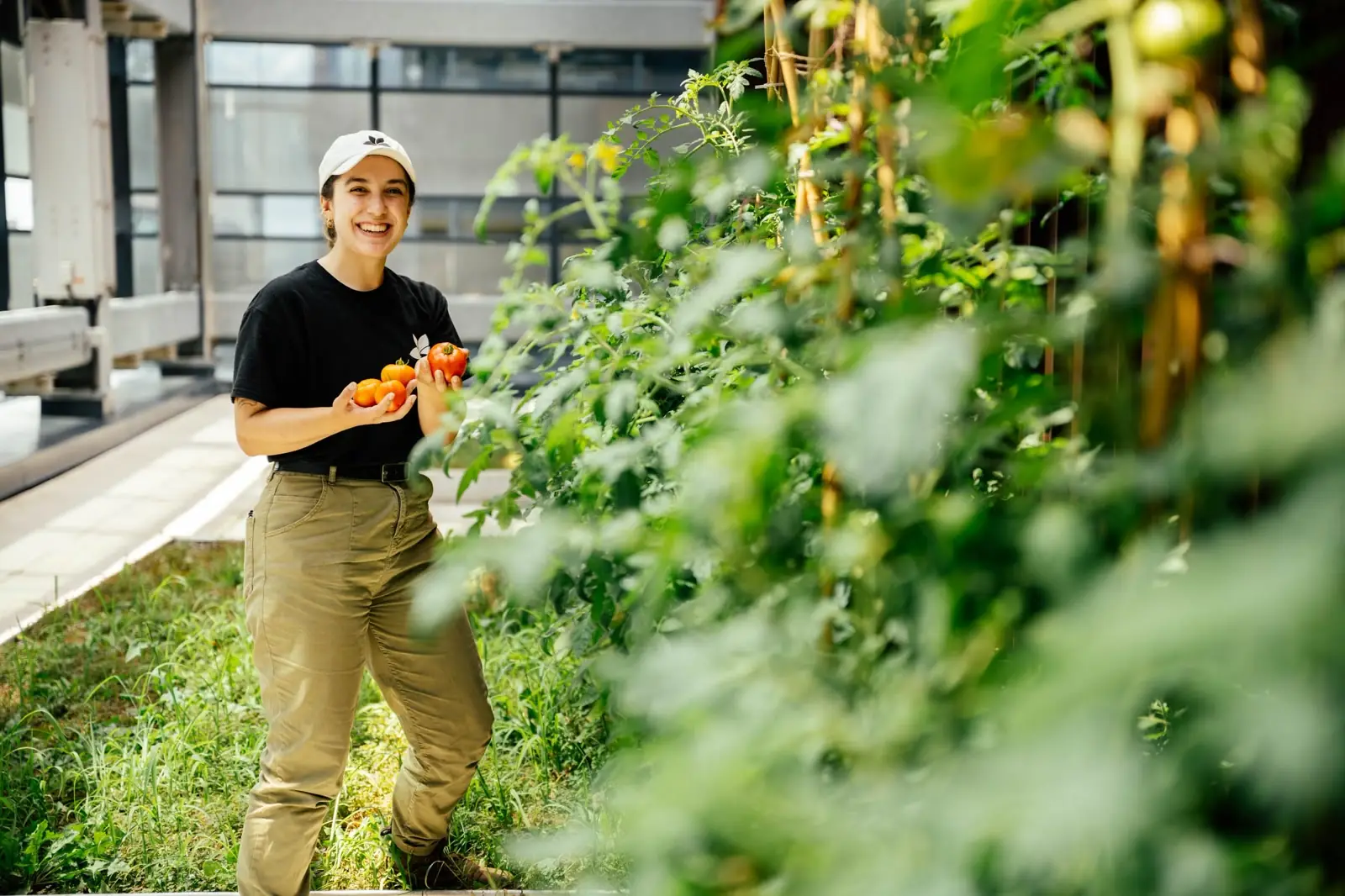
- Harvesting and packing leafy greens, herbs, tomatoes, and other fast urban crops on a tight schedule.
- Site upkeep and light setup — keeping tools, beds, and walkways clean and safe.
When do spring vs summer urban farm jobs start?
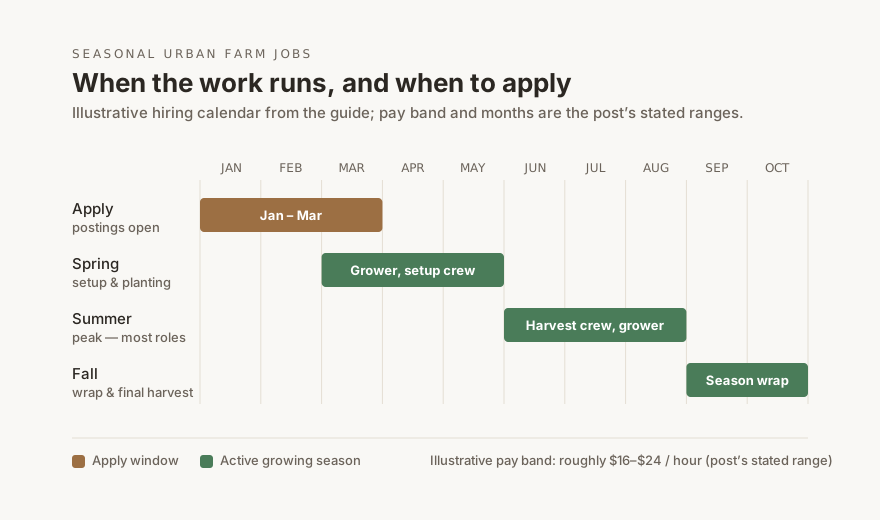
Spring urban farm jobs start first — typically March through May — because that is when farms are built up for the year: beds are prepared, irrigation is set, and the first crops go in. Summer jobs follow, peaking from roughly June through August, when the work shifts to intensive maintenance and continuous harvest as warm-season crops come into full production. Understanding which window you are aiming for changes both when you apply and what the day-to-day looks like.
Spring roles tend to reward people who like setup, planning, and the satisfying ramp from empty beds to green rows; they can start part-time and scale up as the season accelerates. Summer roles are the busiest and most numerous — this is peak season, with the most hands needed for harvest and the highest tempo. There is also a shoulder of late-summer and fall harvest jobs that extend into September and October in many climates, wrapping up the season and putting beds to rest. The exact dates shift with your city's climate: warmer regions open earlier and run later, while colder northern markets compress the whole calendar into a shorter, more intense window.
| Season | Typical window | Main roles | What the work looks like |
|---|---|---|---|
| Spring | March – May | Grower, farm assistant, setup/install crew | Bed prep, planting, irrigation setup, early crop care; ramps from part-time to full |
| Summer (peak) | June – August | Harvest crew, grower, farm assistant | Intensive watering, weeding, pest scouting, and continuous harvest; most positions open |
| Late summer / fall | September – October | Harvest crew, season wrap | Final harvests, donations and deliveries, putting beds to rest for winter |
When and how should I apply for seasonal farm work?
You should apply for seasonal farm work in late winter to early spring — roughly January through March — because that is when urban farms post their seasonal openings and begin interviewing for the season ahead. Applying early matters: the best seasonal contracts fill before the first warm week, and operators that run crews across multiple sites lock in their growers well ahead of planting. The reliable path is a short, ordered sequence of steps.
- Set up alerts in January. Watch the careers pages of urban farming operators in your city and turn on notifications. National listings help too — browse the official Job Bank Canada agriculture category for seasonal and harvest postings across the country.
- Apply directly to urban farming companies first. Operators that install and maintain commercial farms — like Microhabitat — hire seasonal growers and harvest crew across multiple markets each year. Applying to them directly, early, beats waiting for a generic posting.
- Lead with reliability and any growing experience. A container garden, a community-garden plot, a volunteer shift, or a single past season all count. Say plainly: "I have grown X, and I show up."
- Lean on transferable work. Landscaping, construction, hospitality, and warehouse jobs all signal exactly what farm employers want — physical stamina, teamwork, and dependability.
- Be ready to start fast. Once you are offered a contract, seasons move quickly. Flexibility on a start date and on weather-dependent scheduling makes you an easy hire.
For international and migrant workers, formal pathways exist as well: Canada's Seasonal Agricultural Worker Program connects employers with temporary agricultural workers for up to eight months between January and December, with set wage and working-condition requirements. If you are exploring structured, learning-focused entry instead, an urban agriculture internship is another strong on-ramp that often runs on the same seasonal calendar.
How much do seasonal urban farm workers make?
Seasonal urban farm workers in North America typically earn between roughly $16 and $24 per hour, depending on the role, the city's labor market, and how much growing experience you bring. Entry harvest and farm-assistant roles cluster at the lower end of that band, while returning growers and crew with a season or two of experience and added responsibility move toward the top. According to the U.S. Bureau of Labor Statistics, agricultural workers earned a median wage of about $37,140 per year — roughly $17.86 an hour — in its Occupational Outlook Handbook, a reasonable anchor for the hands-on end of seasonal pay.
Beyond the hourly rate, set your expectations on the realities of the work. Hours are often strongest in peak summer and can taper at the season's edges; the work is physical and weather-exposed; and many urban farms operate on client properties, so professionalism and a tidy appearance matter more than on an isolated rural field. The upside is just as real: you are paid to be outside, you learn a genuine, transferable skill set, and you build the kind of demonstrated track record that opens the next door. Across Microhabitat's installations in North America and Europe, a large share of seasonal staff arrive with little or no professional farming background and are hired on attitude and reliability, then trained on the specifics — which is exactly why these roles are so open.
Can seasonal farm work become a permanent career?
Yes — seasonal farm work very often becomes a permanent career, and a strong season is the single most reliable way to get hired year-round. Operators watch closely to see who shows up on time, learns the crops, handles the physical and client-facing demands well, and comes back the next spring. Those people are the first considered for year-round technician, site-lead, and coordinator roles, because a proven seasonal performer is far less risky to promote than an unknown outside applicant.
The reason is structural. Urban farming is not a single job — it is a ladder. A first-season harvest hire who masters watering, pest scouting, and the client relationships is exactly the person who becomes a farm technician, then a site lead, then an operations coordinator. Each rung adds responsibility, stability, and pay, and most of the climb is learned on the job rather than in a classroom. To make a season count toward that climb, treat it as an audition: be reliable above all, ask to learn tasks beyond your assigned role, get comfortable with irrigation and basic data logging, and tell your lead directly that you want to come back and grow. For the wider map of where that ladder leads, our complete guide to urban farming jobs lays out the roles, pay bands, and skills employers screen for at every level.
The bottom line: seasonal urban farm jobs are a low-barrier, genuinely enjoyable way to start, and for the people who take them seriously, they are also the front door to a lasting career in the green economy. Apply early, work hard through the season, and make your interest in staying known.
Ready to grow your career outdoors this season? View open positions → with Microhabitat and start your first season on a real commercial farm.