On this page
Quick answer: Send every urban farming company the same written questions on site visits, reporting, insurance and roof protection, activities, food donations and contract terms. Score the answers against what a good answer includes, ask for a sample report and contract, and, where winter stops outdoor growing, sign this winter for a spring 2027 installation.
Part of our guide: Property ROI Calculator.
For many property and workplace teams, choosing among urban farming companies is an occasional job, done against a deadline, with proposals that describe the same service in different words. A shared list of questions solves that. Every provider answers the same points in writing, so you compare how the farm will actually be run rather than how polished the brochure is.
This checklist assumes you already want a professionally managed farm. If you are still weighing that, start with how a managed urban farm service works. Each section below explains what to ask and why it matters; the last turns the questions into a scorecard you can paste into a request for proposal.
When should you choose an urban farm provider for 2027?
Where the outdoor season has ended, the best time to choose a provider for 2027 is this winter, so the groundwork is finished before planting time. The steps before a spring installation often take longer than the installation itself: a roof check with the building’s engineer, insurance certificates, access rules, a crop plan, an activity calendar and internal sign-off. Leave the decision until spring, and the farm may start weeks into the season you meant to use. In warmer climates the growing calendar runs differently, so work back from your own planting date.
Before the first call, gather the basics any provider will ask for: usable space, hours of direct sun, a water tap and how equipment reaches the roof. Our FAQ covers the space and sunlight an outdoor farm needs. If you want something growing while the roof is closed, an indoor farm is the one option that keeps running through winter.
What should you ask about site visits and season coverage?
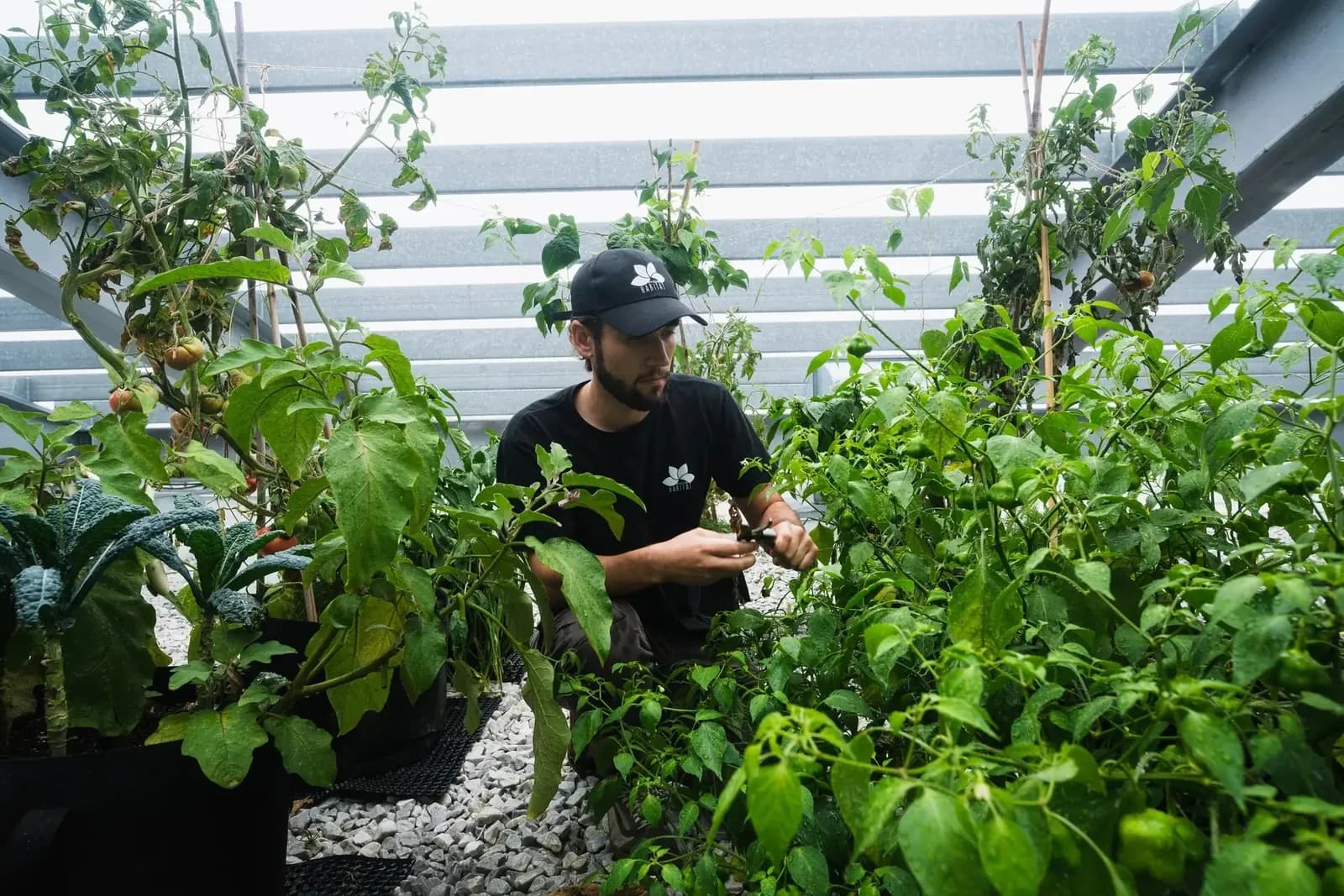
Ask who will visit your farm, how often, for how many weeks of the year, and who covers when that person is ill or on holiday. Many managed programs are built around weekly visits in the growing season, but what protects you is the visit frequency and the season’s start and end dates written into the contract. Ask whether the person who visits is the provider’s own employee or a subcontractor, how they are trained, and whether you will usually see the same urban farmer each week.
Then ask what happens between visits. Plants do not wait for the schedule, and neither do storms.
- Who checks the farm after a heatwave or a storm, and how quickly?
- Who is the named contact for the building team, and who is the backup?
- What does the provider need from you: access hours, keys, a water tap, an elevator booking?
- For an indoor farm, do visits continue through winter and the holidays?
What reporting should an urban farm provider give you?
A good provider tells you in writing what you will see during the season, how often and in what form, and what you will receive when the season ends. During the season that might be a note after each visit, regular posts and photos from the farm, or both; what matters is that the answer is specific and appears in the contract. Our guide to what an urban farm maintenance report should cover goes into the detail. Ask to see an example of the in-season updates and of the End of Season Report.
Two details separate useful reporting from decorative reporting. Figures should say whether they were measured or estimated, because a weighed harvest and a projected harvest are different facts. Ask also how you may use the photos and figures in your own reports, and check that people appear in photos only with their consent.
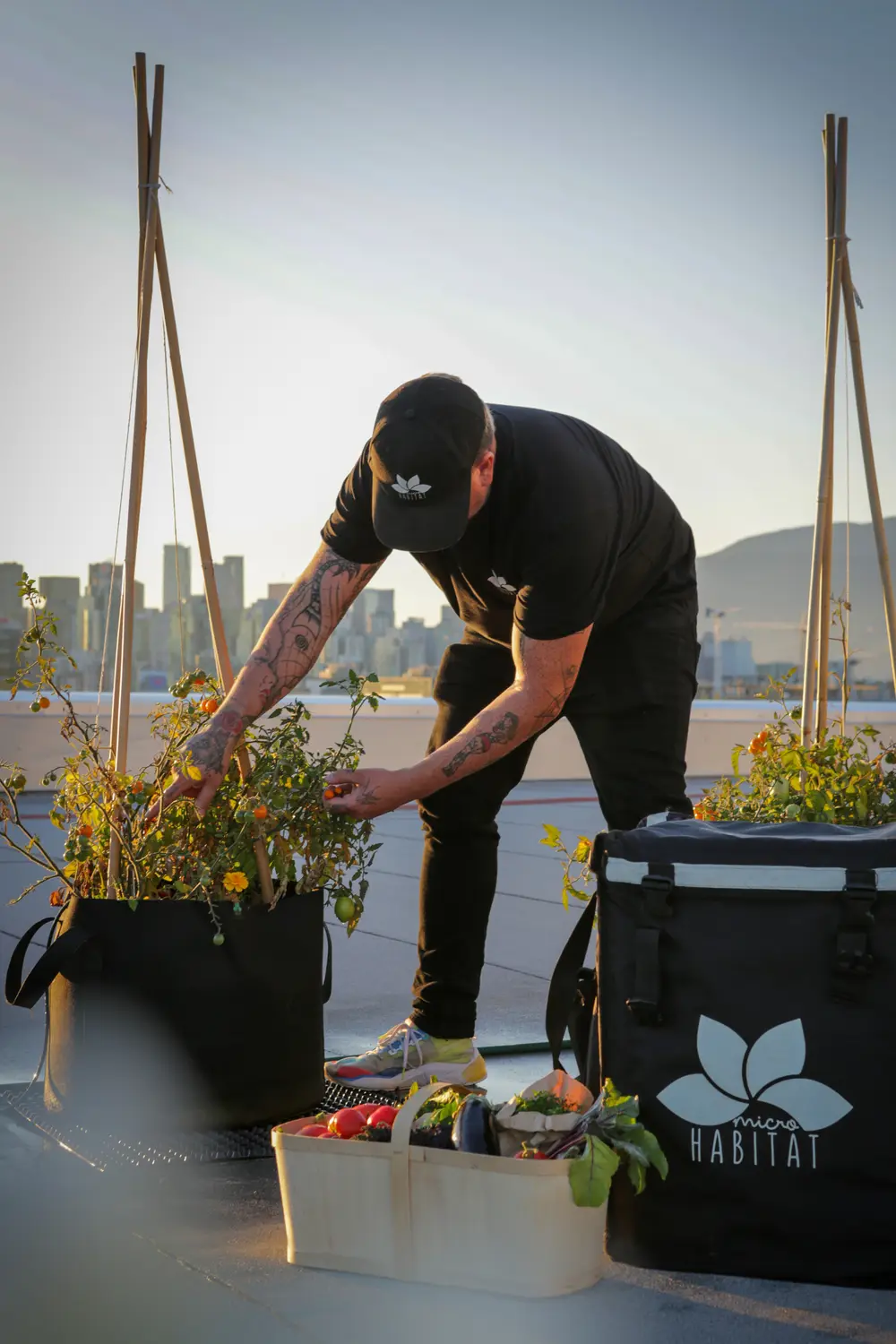
MicroHabitat’s urban farmers, for example, record every visit in MyUrbanFarm. Those records feed the End of Season Report, which shows any estimate separately from the weighed harvest, and clients follow the farm through regular posts and photos on its page.
How do you check insurance, safety and roof protection?
Ask for proof of insurance, a written description of how the provider’s staff will work safely on your premises, and a plan for protecting the roof and removing everything at the end. Your broker should decide which coverage and limits to require, and our guide to rooftop garden insurance and liability lists the questions to take to them. Treat this section as a checklist of questions, not as legal or insurance advice.
Safety needs its own questions, because the provider’s staff will work on your property, sometimes near a roof edge. The International Labour Organization’s guidelines on safety and health management systems recommend including safety criteria when you evaluate and select contractors, and agreeing communication and coordination before work begins. In the United States, OSHA’s guidance for host employers and contractors suggests writing safety specifications and qualifications into contracts and bid documents. In Canada, the details of workplace safety law vary from one jurisdiction to another, so ask each provider which rules apply to your site and how they meet them.
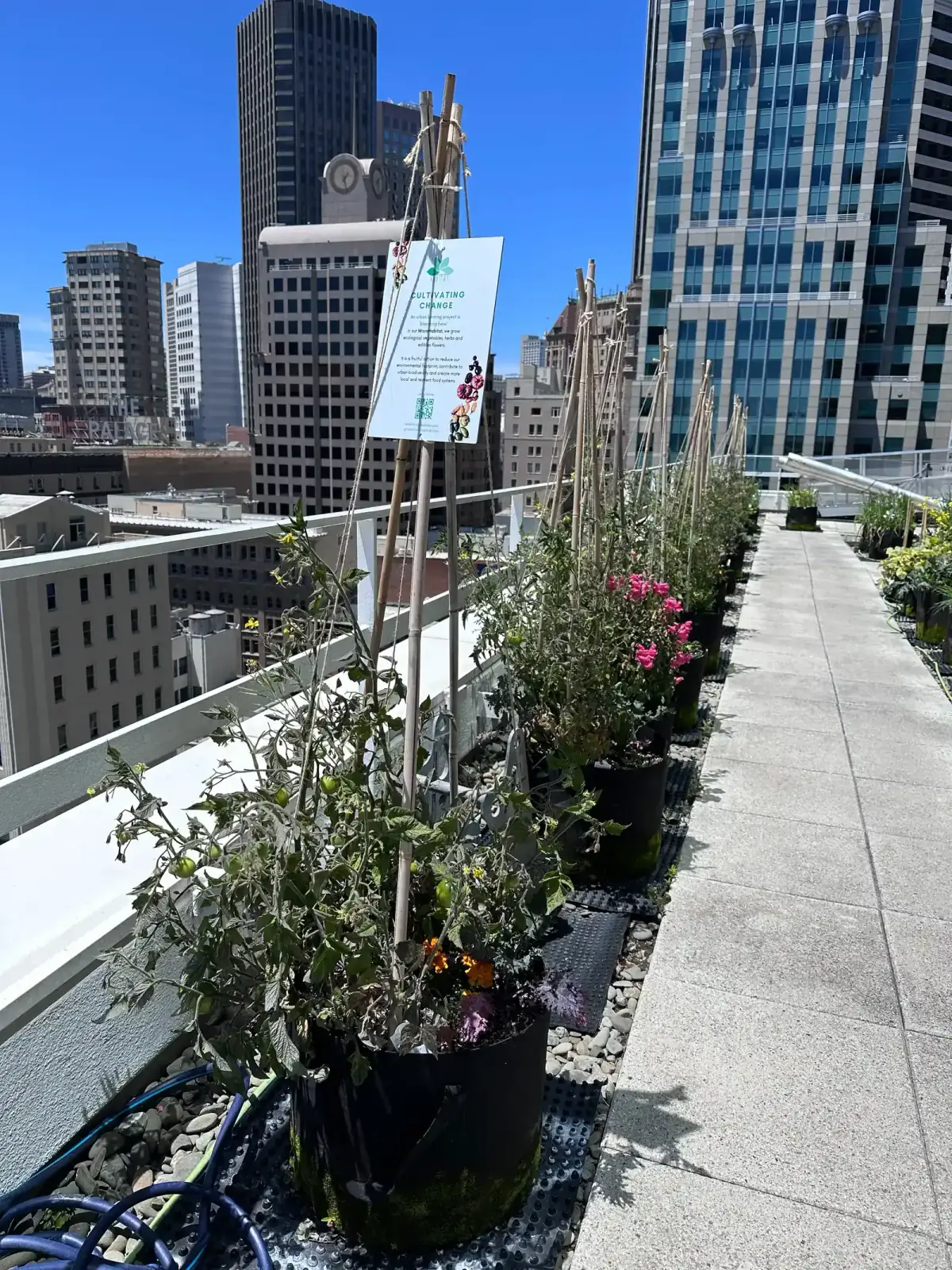
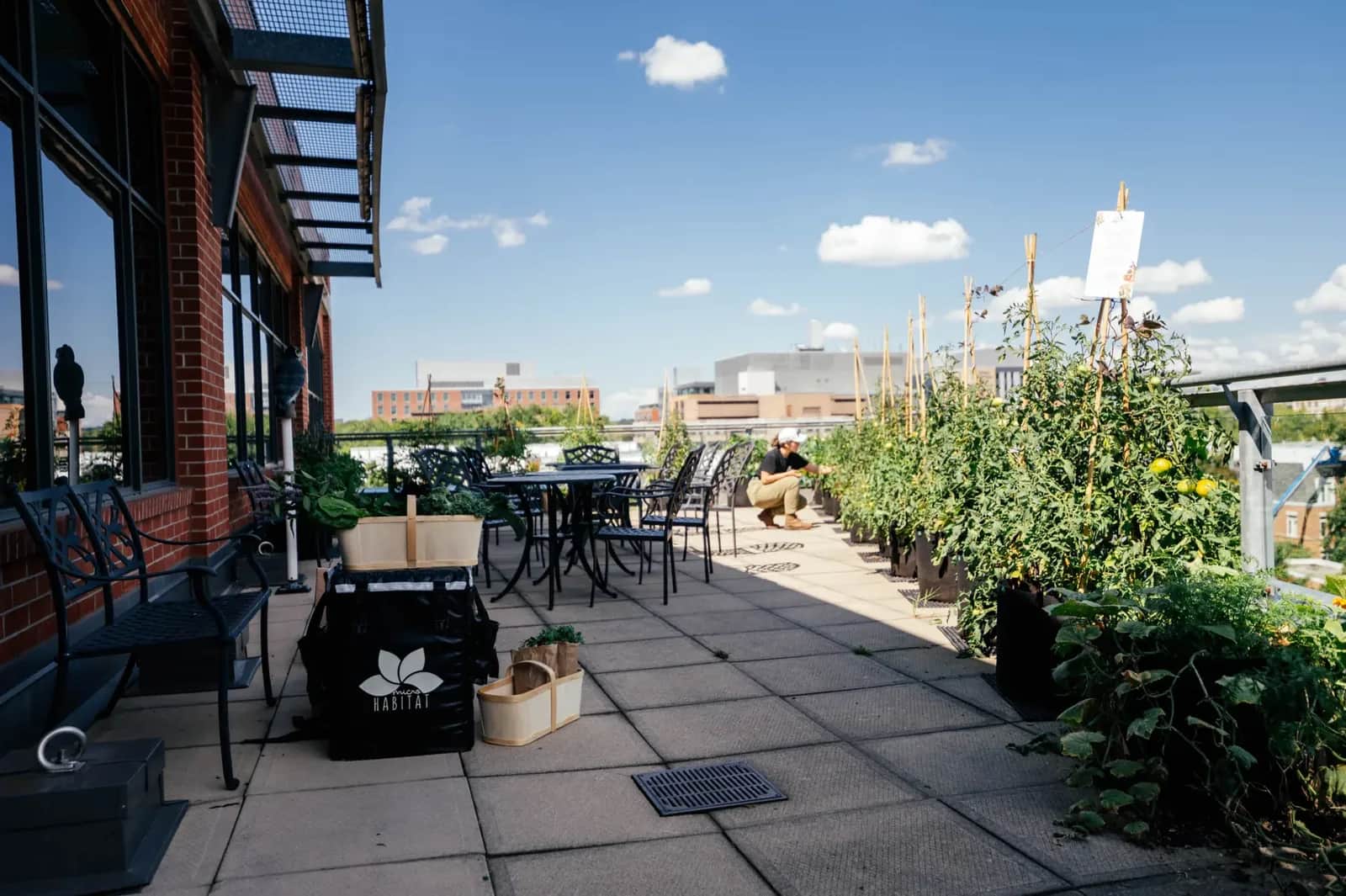
On the roof itself, ask how the planters will sit, how the membrane is protected, how drains and walkways stay clear, and who approves the layout with your building engineer. MicroHabitat’s outdoor farms sit in fabric pots with no drilling or digging, and they can be removed without permanent changes to the roof.
Who runs the activities and the food donations?
The provider should name who leads each activity and who handles the harvest from picking to delivery, so ask for both in writing, along with how many activities are included each season. Activities are often what tenants and employees remember, so ask for the formats on offer, the group sizes, a plan for bad weather and how attendance is recorded. If the farm is at a school, ask how staff who work with children are screened under local rules.
For donations, ask which food organizations the provider already works with, who transports the produce and how deliveries are recorded. A good answer keeps harvested, donated and accepted quantities separate and never names the people who receive food. If donations matter to your reporting, put the expected recipients and the recording method in the contract rather than leaving them to goodwill.
Which contract terms matter most?
The terms that matter most are the length of the agreement, how it renews, how either side can end it, and who owns the equipment, including where it spends the winter. A proposal that looks cheaper may simply include less, so check each line before you compare totals.
- Term and renewal: one season or several, and whether renewal is automatic or needs a signature.
- Scope: visits, activities, reporting and donations listed in the price, with any extras priced separately.
- Winter: what stays on the roof, what is stored, how irrigation is drained and who checks the site before restart.
- Exit: the notice period, who removes plants, pots and irrigation, and who pays for it.
- Change: what happens if the roof needs repairs or the building changes hands.
Agree these points before signing; they are hard to add once the season has started. For how these lines become a budget request, see how to budget an urban farm program for 2027.
How do you score the answers side by side?
Send each provider the same questions, ask for written answers, and score every answer against what a good answer includes before comparing prices for the same scope. The table below is a starting scorecard; add rows for anything specific to your building.
| Question to ask | What a good answer includes |
|---|---|
| Who visits, and how often? | A named urban farmer and backup, a visit frequency and season dates in writing. |
| What happens between visits? | How urgent issues are handled, and one contact for the building team. |
| What will we see during the season, how often, and in what form? | A specific answer, such as regular posts and photos from the farm, with an example you can look at. |
| What arrives at the end of the season? | A season summary with every figure labelled measured or estimated. |
| How can we use the photos and figures? | Clear written terms for your own reports, and people photographed only with consent. |
| What insurance do you carry? | Certificates on request, with coverage your broker has reviewed. |
| How do your staff work safely on site? | A written safety approach, agreed with the building before work starts. |
| How do you protect the roof? | No penetrations, protection under planters and a layout agreed with the building’s engineer. |
| Which activities are included? | Formats, group sizes, a bad-weather plan and attendance records. |
| Where does the harvest go? | The food organizations that receive it, or tenant distribution, with deliveries recorded. |
| What happens over winter? | What stays, what is stored and what is checked before restart; for indoor farms, visits that continue. |
| How does the contract end? | A notice period, a removal plan and a clear answer on who pays. |
Then look at what the scorecard cannot show. Did the answers arrive quickly, were they specific, and did the provider ask good questions about your building? Ask for a reference from a client with a similar building, and talk to them about responsiveness rather than results.
Frequently asked questions
Can we start with one building before committing a portfolio?
Yes. A single-site season lets you test visits, reporting and responsiveness before you add more buildings. Agree in advance what would justify expanding, and check that the provider works in the cities where your other properties are.
What if our building has no usable roof?
An indoor farm can run in a lobby, café or amenity floor, and it keeps growing through winter. The same questions apply, plus floor space, power, water access and who looks after the unit over the holidays.
Who should be involved in choosing the provider?
Involve the people who will live with the decision: facilities for access and the roof, the sustainability lead for reporting, the workplace or tenant-experience team for activities, and procurement or legal for insurance and contract terms. One person should own the comparison, so every provider receives exactly the same questions.
If you are planning a spring 2027 farm, send these questions to the providers you are considering this winter, and ask for a roof check while the outdoor season is closed.