On this page
Quick answer: A managed farm provider should record every site visit: work done, plant health, problems found and fixed, harvest and where it went, dated photos, the next visit and anything the building must act on. Agree in the contract what you will receive from that record, in what form, and how fast urgent issues reach you.
Part of our guide: What an Urban Farm Impact Report Should Measure.
Most people responsible for a building’s farm rarely see the urban farmer at work. The urban farm maintenance report, the record kept of each visit, is how they find out what happened. For a property manager, a sustainability lead or an HR team, what they receive from that record is the main way to tell whether the service is being delivered and whether anything needs their attention.
This guide covers what a good weekly farm follow-up records, what you can reasonably ask to receive from it, who on your side needs which part, and how to put those expectations in a contract. The timing is deliberate: in climates with a winter shutdown, outdoor visits have ended for the year, indoor farms keep their weekly schedule, and next season’s contracts are drafted over the winter.
What should an urban farm maintenance report include?
A useful report records the same seven things after every visit, from the work done and the harvest to anything the building must act on, in the same order every time. Consistency matters more than length: anyone reading it should find the harvest line or the open issues in seconds.
- What was done: planting, pruning, weeding, irrigation checks, clearing finished crops.
- Plant health: how the farm looks, including anything that is struggling and the likely cause.
- Issues found and fixed: a pest outbreak, a blocked drip line, a torn pot, wind damage, each with what was done or why it is still open.
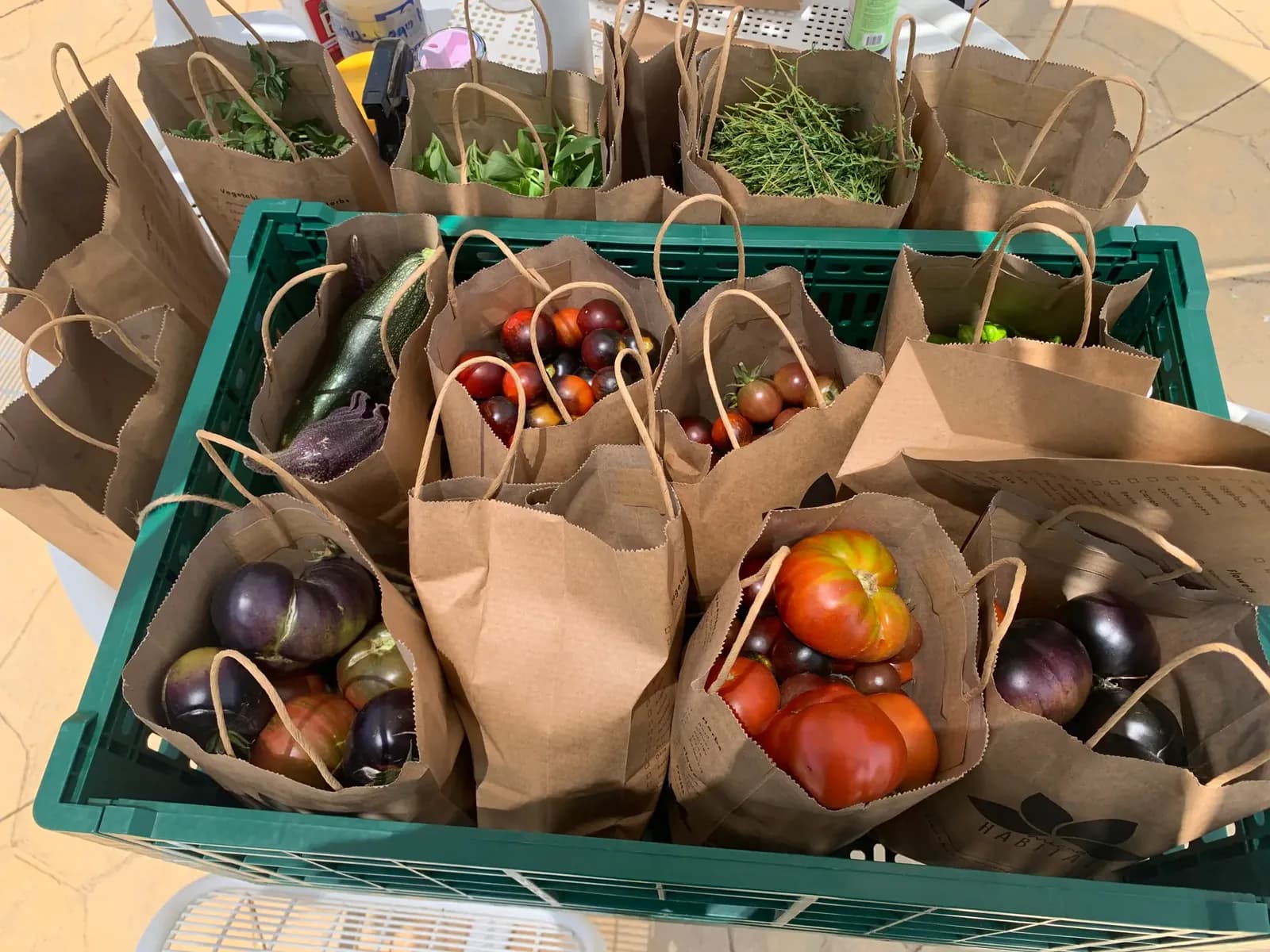
- Harvest: what was picked, how much, whether the amount was weighed or estimated, and where it went.
- Photos: dated pictures of the farm and of anything the report mentions.
- Next visit: the planned date and what the urban farmer intends to do.
- Actions for the building: anything only your team can do, such as unlocking a door, repairing a tap or warning tenants about work on the roof.
The last item is the easiest to leave out, and the one that matters most to a facilities team. A provider can notice a dripping outdoor tap or a door that no longer closes, but it cannot repair the building. Where crop care ends and building maintenance begins is worth settling in advance; our autumn review of rooftop farm responsibilities covers that split.
What should you receive after each visit, and how fast?
You should receive the parts of the record that let you act, on a schedule agreed in advance, which is not necessarily the provider’s full visit log. Depending on the provider, that can be a short summary after each visit, regular posts and photos on a shared farm page, a monthly digest or access to the log itself. What matters is that the form and the timing are written down, not assumed. Urgent problems are different: a water leak, damage near the roof membrane or a safety concern should reach a named person the same day, whatever the routine format.
Several people on your side need different parts of the same record. Agree who receives what before the season starts: not everyone needs every detail.
| Reader | What they look for |
|---|---|
| Property or facility manager | Actions for the building, access problems, anything touching the roof, water or electrics |
| Sustainability or ESG lead | Harvest records, donations, and how each figure was obtained |
| Tenant or employee engagement lead | Photos, what is growing, what will be ready for the next activity |
| Contract or budget owner | Visits completed against visits planned |
Facility management already applies this logic to other services. ISO 41001, the international standard for facility management systems, specifies requirements for a facility management system when an organization needs to demonstrate effective and efficient delivery of facility management that supports the organization it serves. A farm provider does not need that certification for you to borrow the idea: the record is the evidence that the service happened as agreed, and what you receive should let you see that.
What format makes a weekly farm follow-up useful?
The most useful format is the same structure every week, kept in one place that can be searched later. Records scattered across email threads are hard to find when someone needs them for a season summary, an insurance question or a tenant newsletter. A few habits separate a record you can rely on from one you have to question:
- Dates on everything, including photos.
- One unit for harvest weights all season, with weighed and estimated figures labelled differently.
- Plain language: “aphids on the kale, removed by hand, plants rechecked” rather than “pest management done”.
- Photos of plants, tools and containers rather than people, unless those people have agreed to appear.
- Open issues carried from week to week until someone confirms they are closed.
Providers share that record in different ways. Some send the full visit log to the client; others keep the detailed log for their own operations and share regular updates instead, with the log feeding the season report. Either model works, as long as you know what you will see, how often, and what is kept on file. MicroHabitat’s urban farmers, for example, record every visit in MyUrbanFarm; those records feed the End of Season Report, and clients follow the farm through regular posts and photos on its page.
How should harvest and produce handling be reported?
Every harvest line should say what was picked, how much, how the amount was obtained and where the produce went. Label each weight as weighed on a scale or estimated, and say how any estimate was made. A season total that mixes the two without labels is the one that gets questioned later.
The destination matters as much as the quantity. Produce might go to employees, tenants, a building café, an activity or a community organization, and each destination answers a different reader’s question. For a donation, record the receiving organization and the date. Our guide to what goes in an End of Season Report explains how those weekly lines become the season’s totals.
Handling belongs in the record too. The World Health Organization manual Five keys to growing safer fruits and vegetables, written for small-scale growers, lists keeping harvest and storage equipment clean and dry among its five practices, with advice such as keeping containers off the ground and cooling produce quickly. A visit record does not need a paragraph on hygiene, but it should show when produce was handed over and to whom, so your team can apply its own food rules and local requirements.
How do weekly follow-ups prevent surprises at the end of the season?
Weekly follow-ups turn problems into small, dated events instead of one large discovery at the end of the season. A pest noticed in week six and dealt with in week seven is a line in the record. The same pest left unrecorded until September is a lost crop and an awkward meeting.
The record also shows patterns that no single visit reveals: a corner of the roof that dries out in every hot spell, an outdoor tap that keeps being turned off, an access door that is locked on visit days. Those are the conversations worth having in the off-season, and they only happen if someone wrote things down.
The same weekly lines are what the End of Season Report is built from, so thin records produce a thin report. They are also how a provider shows visits completed against visits planned, whether or not you read every entry.
What should the contract say about reporting?
Write reporting expectations into the contract as specific terms, not a general promise of “regular updates”: what you will receive, in what form and how often. Adapt this checklist to your building, your farm and your provider:
| Contract term | What to specify |
|---|---|
| Visits and season | How often visits happen, when the season starts and ends, how holidays are covered |
| Updates and turnaround | What you receive after visits (a summary, farm posts and photos, or the log itself), in what form and how soon |
| Visit record | The seven items above, in a consistent order, and which of them you will see |
| Urgent issues | Who is contacted, how, and how quickly for leaks, damage or safety concerns |
| Harvest records | Units, weighed or estimated labels, destinations |
| Photos and consent | What is photographed, and the rule for people appearing in images |
| Access to records | Which records you can see, which stay with the provider, and what you keep if the contract ends |
| Off-season | What you hear after outdoor visits stop, and how indoor farms are covered |
| Season summary | When the End of Season Report arrives and what it contains |
For the rest of the provider conversation, from insurance to staffing, use our questions to ask before choosing an urban farm provider. Reporting is one part of that list, and the part you live with every week.
What happens to farm reporting over the winter?
Where the outdoor season has ended, visit records stop with the visits, so the last ones of the season carry extra weight. They should document what was removed, what stays on the roof over winter, how the irrigation was shut down and anything the building should check before spring. Warmer climates run on a different cycle, and their reporting calendar should follow the local growing season.
An indoor farm does not have to pause. A vertical farm in a lobby or office can keep its weekly visits through the winter, so its records and updates continue too. MicroHabitat’s indoor farms are one example: they are maintained every week, all year.
Winter is also the quiet period to fix reporting before it matters. Look back at what you received last season, note what you needed and did not get, and write it into next season’s contract ahead of a spring 2027 installation or restart. Helping people in the building follow the farm is a separate job from the operational record; our post on MyUrbanFarm and tenant engagement covers that side.
Frequently asked questions
Is a weekly visit record worth it for a small farm?
Yes, but it can be short. A farm of a few dozen pots may need only a few lines and some photos, which is enough to show the visit happened and that nothing is waiting on you. Scale the length to the farm, not the frequency.
What should happen when a visit is missed or moved?
You should hear about it, with the reason and the new date, through the channel you agreed. Weather, access problems and illness happen; what matters is that a gap in the record is explained rather than silent. If access was the reason, the building should be told what needs to change.
Who owns the reports and photos?
That depends on the contract, so ask before you sign. At a minimum, know which reports and photos you will keep if the contract ends, and agree how images of people are handled. Before using photos in tenant or ESG communication, confirm you have permission to do so.
If you are preparing next season’s contract this winter, start from the checklist above, and ask each provider for an example of exactly what you will receive before you sign.