On this page
Quick answer: A school garden survives the summer when someone is named for every week of the break. Schools usually combine a family or staff rota, a summer camp, custodial help, a community partner or a paid maintenance service. Time crops to ripen before and after the break, automate watering, and agree in advance where the holiday harvest goes.
Part of our guide: Schools.
School garden summer maintenance runs into a simple calendar problem: plants grow fastest, need the most water and ripen in the weeks when classrooms are empty. Who covers those weeks decides whether the garden is still worth visiting when classes resume. The U.S. Department of Agriculture’s school garden fact sheet calls summer a challenging time to staff gardens, and points to volunteers, community organizations and links with summer meal sites as ways to keep them tended.
In climates with a winter shutdown, the outdoor season has ended, so this winter is the right time to decide who will cover summer 2027. Where the main growing season runs through the cooler months, apply the same planning to whichever long break overlaps with peak growth.
Why is summer the hardest season for a school garden?
Summer is the hardest season because the garden’s busiest weeks fall exactly when students, teachers and most staff are away. In many climates, plants do most of their growing and ripening in July and August, and containers or raised beds can dry out within days of hot weather. A garden planted with enthusiasm in May can be dry or overgrown by the time classes return.
The problem is rarely interest; it is ownership. The teacher who started the garden is on holiday, the custodian has a summer cleaning schedule and families travel, so everyone assumes someone else is watering. The fix is to treat summer care as a scheduled job with named people and dates, decided months ahead.
Who can look after a school garden over the summer break?
A family or staff volunteer rota, a summer camp, custodial staff, a community partner or a professional maintenance service can each cover part of the summer, and the strongest plans combine two so that one backs up the other. Match each option to what your garden actually needs every week.
| Option | What it realistically covers | What to watch |
|---|---|---|
| Family or staff volunteer rota | Watering checks, light weeding and picking, one or two visits a week | Gaps in late July and August; needs a coordinator and a backup list |
| Summer camp or summer school on site | Regular hands-on care and harvesting as part of the program | Only runs for the camp’s weeks; camp staff need simple instructions |
| Custodial or facilities staff | Checking irrigation, water access, locks and obvious damage | Gardening is not in their job description; agree tasks and hours with their manager |
| Community partner | A community garden group, local nonprofit or youth program that adopts the garden for the summer | Needs a written agreement on tasks, access and what the partner keeps |
| Professional maintenance service | Scheduled visits for watering checks, pruning, pest checks, harvesting and records | A budget line; confirm visit frequency and holiday coverage in writing |
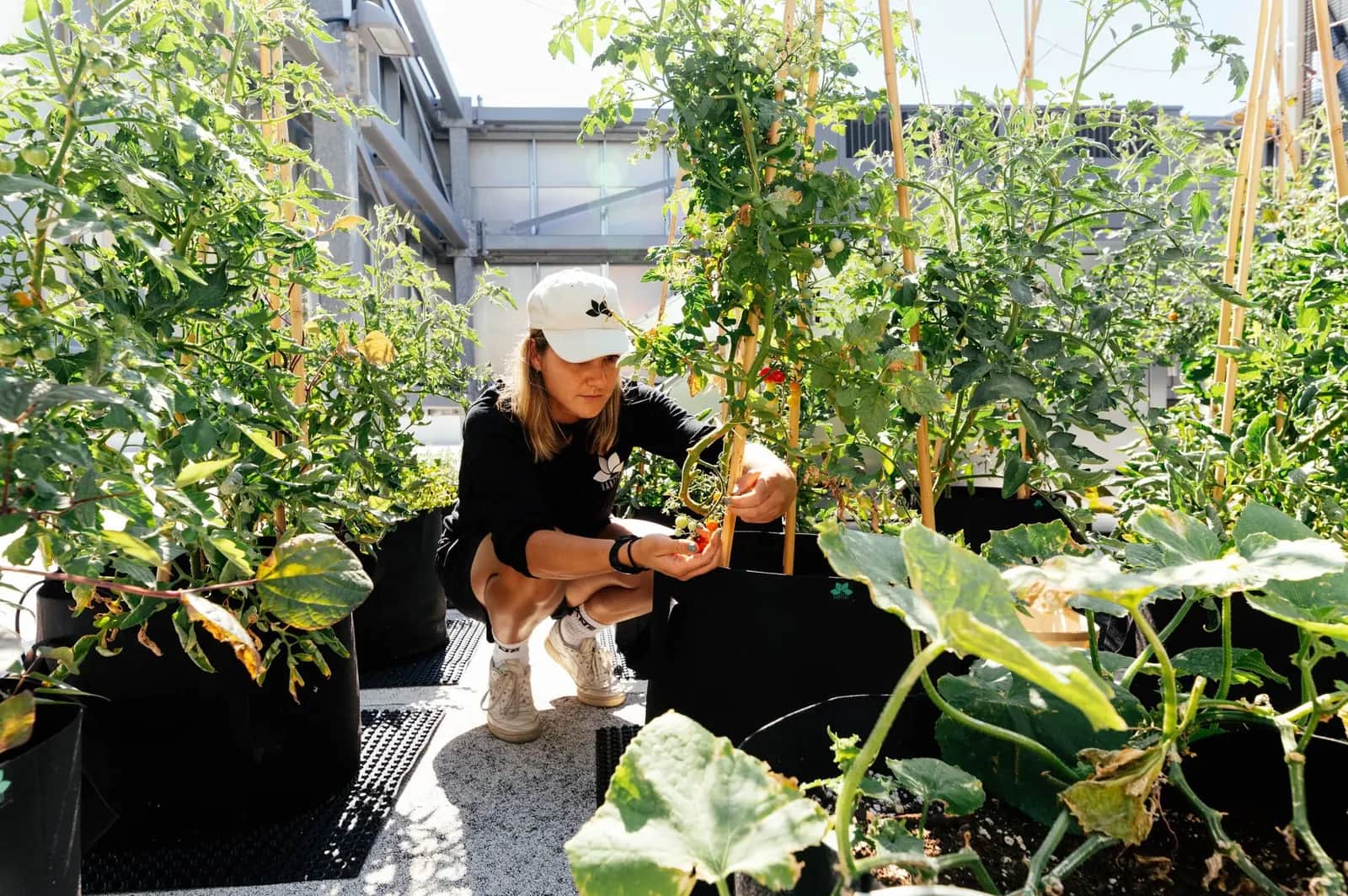
Volunteers and partners bring people into the garden, but they depend on goodwill holding up for eight weeks or more. A paid service trades that uncertainty for a cost and a schedule. Our comparison of an urban farm and a community garden covers that wider difference. MicroHabitat’s school programs, for example, include weekly visits through the growing season alongside educational activities, so an urban farmer keeps tending the garden over the summer break and logs each site visit in MyUrbanFarm.
What should a school garden grow to fit the school year?
A school garden fits the calendar best when it is planned around two harvest windows, one before the summer break and one after students return. In a temperate climate with a long summer break, avoid filling every bed with plants that peak in the middle of the break, and spread the crops like this:
- Before the break: fast spring crops such as radishes, salad greens, peas, spinach and many herbs, sown early enough for students to harvest them in class time.
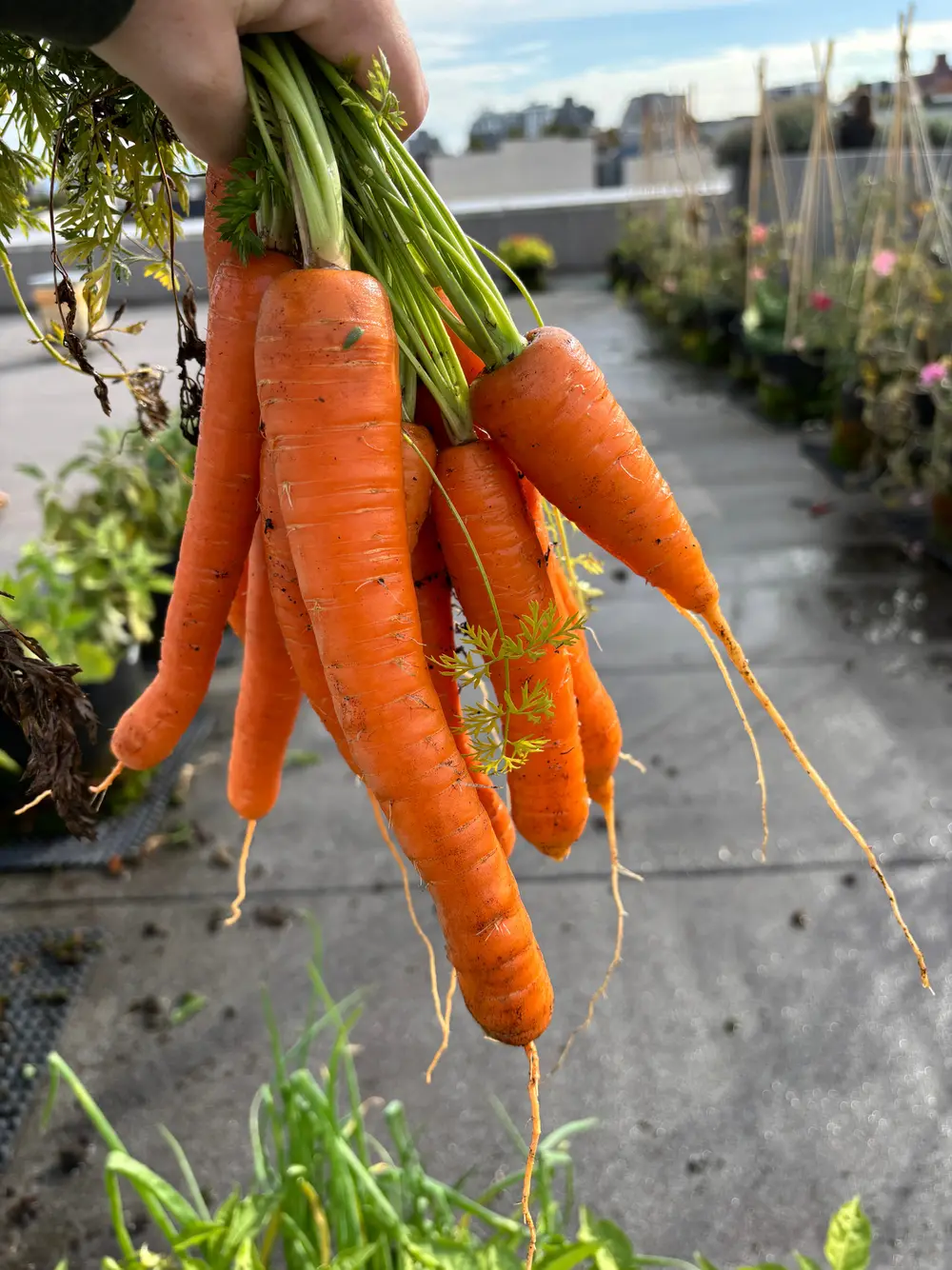
- After the return: crops sown or planted in early summer to mature into autumn, such as carrots, beets, kale, winter squash or a second sowing of greens.
- Through the summer: plants that cope with a week between visits, and fewer crops that need picking every day or two at their peak, such as zucchini, beans and cherry tomatoes, unless a camp or partner will pick them.
- Empty beds: mulch or a cover crop, so weeds do not take over before students return.
These are examples, not the full range. A local extension service, a school garden network or your urban farmer can turn the pattern into sowing dates for your climate.
How do you water a school garden when the building is closed?
Automate as much of the watering as you can, then name a person who checks it every week, because automatic systems fail quietly. A drip line on a timer, thick mulch and containers with water reservoirs all reduce visits, but a split hose, a dead timer battery or a valve closed for building work can ruin a bed in a few hot days. Before the break, confirm four things with the facilities team:
- Will the outdoor water supply stay on all summer, and who can reopen it?
- Who holds the keys or codes for the gate, the shed or the roof?
- Is building work planned that will block the garden or cut the water?
- Whom does the rota call when the system leaks or a storm damages the beds?
Post a one-page watering schedule in the shed and keep a shared visit log, even on paper. A missed week then shows at a glance.
Where does the harvest go during the holidays?
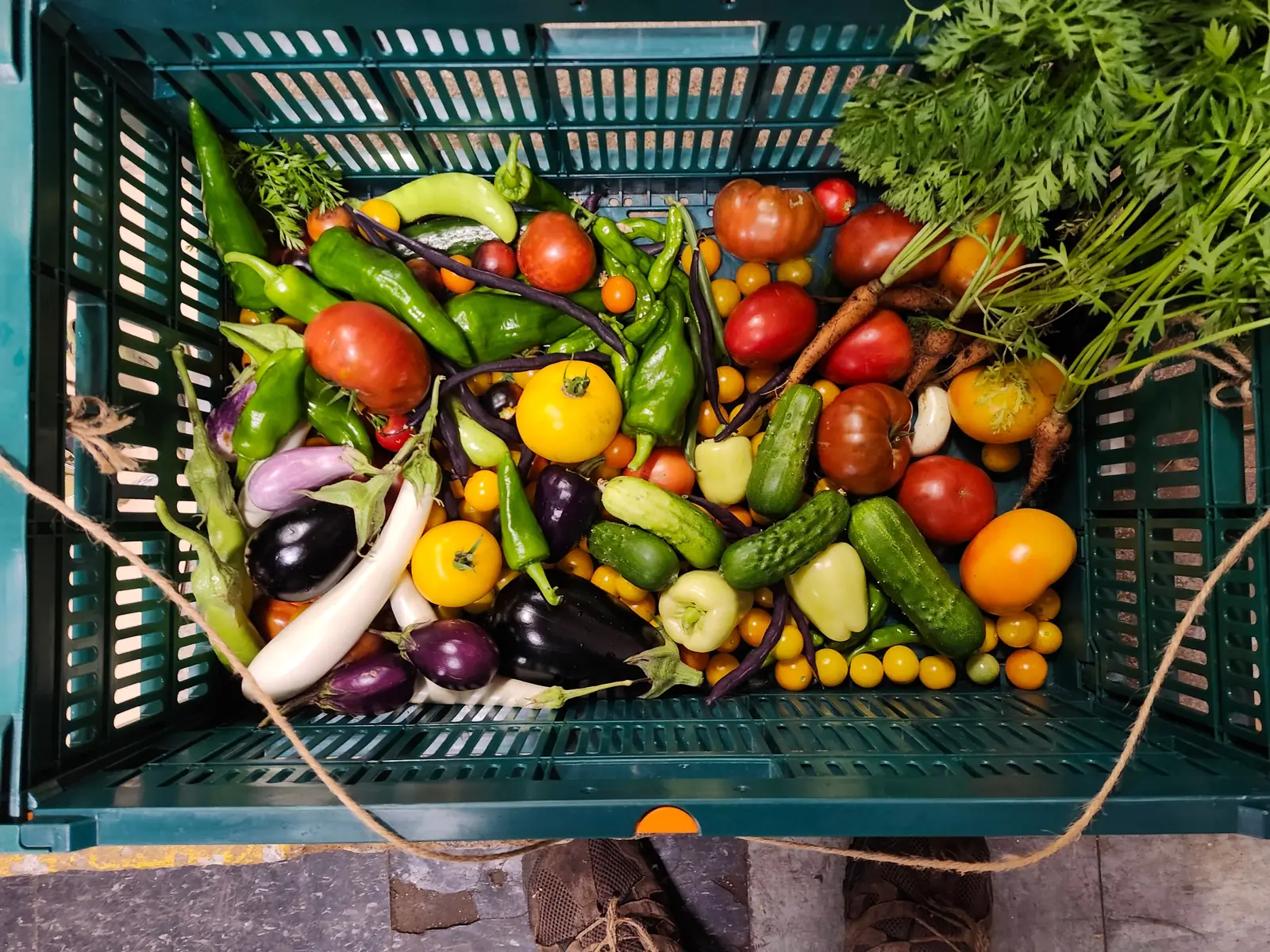
The holiday harvest can go to a summer meal program at the school, the camp kitchen, families on the rota, the freezer for use in the autumn, or a food bank that has agreed to receive it. Decide before the break who picks it and who receives it, so produce is neither left to rot nor taken without a record.
The USDA fact sheet describes school garden produce going into cafeterias and summer meal programs, and lists basic food-safety steps: hand washing, clean harvest containers and a simple log of who harvested what and when. Rules differ by country, district and kitchen, so follow your school’s food-safety policy and local health requirements. A recipient that expects deliveries in July also needs to know if August will be empty; see how food bank donation programs can follow the growing season.
How do you keep summer access to the garden safe?
Treat summer garden care like any other out-of-hours use of school grounds: agree who may enter, when, under what supervision and whom to call. The school, district or school board usually sets these rules, and the garden plan should follow them.
- Who may enter: named adults, with any screening your school or district may ask of volunteers who could be near children.
- Supervision: children come only with a camp, a program or their own families, under that group’s rules.
- Tools and heat: locked storage, no chemical products left out, drinking water and visits early or late on hot days.
- Rooftop gardens: roof access follows the building’s own rules, which may limit who can go up and when.
- Photos: follow the school’s consent policy; photograph plants and produce rather than children.
If an outside partner or provider will be on site, ask who insures their staff and activities. Confirm the answer with your school or district before summer.
When should a school plan summer care, and what will it cost?
Plan summer care in winter, alongside next year’s budget; what it costs depends on the coverage model you choose. Staff, partners and providers fill their summer calendars early. The International Day of Education, on Sunday 24 January 2027, will be a timely prompt to put the garden on a staff or parent meeting agenda. Meanwhile, indoor growing in the classroom can keep students growing while the outdoor beds rest. For a school year that ends in June or July, a workable timeline looks like this:
- November to January: choose the coverage model and check partners’ availability.
- February and March: confirm the budget, the rota and any contract.
- April and May: repair or install irrigation and plan crops for harvests before and after the break.
- Last weeks of term: walk the garden with everyone on the summer plan and hand over keys, log and contacts.
Even a volunteer plan has costs: irrigation parts and mulch, seeds for late sowings, paid hours such as custodial overtime or summer jobs for students, a partner fee or maintenance contract, and harvest supplies and transport. In the United States, the USDA fact sheet notes that Farm to School grants and school lunch program funds have been used for garden supplies, equipment and staff, and that school nutrition directors can use program funds to help support garden personnel; check current rules with your district. For how a program fits a budget cycle, see budgeting an urban farm program for 2027.
Frequently asked questions
Can a school garden be left on its own for the summer?
It can, if you plan for it: harvest everything before the break, mulch or sow a cover crop on the beds, and accept that the garden will not produce over the summer. A garden left with growing crops and no care tends to end up dry and overgrown, which means more work when school starts again.
Do summer garden volunteers need a background check?
That depends on your school, school board or district and on local rules, so ask before you recruit anyone. If volunteers could be near children, the school may ask them to complete its usual volunteer screening first. A professional provider should be able to explain how its own staff are screened.
Does an indoor garden avoid the summer problem?
Not entirely: an indoor growing unit also needs water and harvesting during a long break, so empty it before the holidays or name someone to look after it. Its real strength is the opposite season, keeping students growing while the outdoor garden rests.
If your school is planning a garden for spring 2027, use the coming months to name its summer coverage before the first seed goes in. An indoor farm can keep a class growing this winter while that plan comes together.