Tenant Engagement Ideas: 12 Programs That Build Community
12 tenant engagement ideas for commercial properties, six built around an on-site farm, with what each program takes to run and how to measure it.
Quick answer: Tenant engagement ideas that last repeat on a published schedule, fit inside a lunch hour, have a named owner and are measured the same way every time. Twelve programs meet that bar: a weekly harvest market, farm stories in tenant communications, a local-maker pop-up market, a seasonal charity drive, lunchtime farm tours, hands-on garden workshops, a harvest tasting, lunchtime wellness sessions, a new-tenant welcome session, a food bank harvest crew, a floor-by-floor sustainability challenge and a tenant advisory group. Start with one program from each level of commitment.
The best tenant engagement ideas give people in a building a reason to meet each other, not just another email to open. This guide sets out 12 programs that build community in commercial properties, six built around an on-site farm and six that work in any building, with what each one takes to run and how to measure it. For the amenity behind half of them, see our complete guide to urban farms as a tenant amenity.
On this page: What makes it work · Drop-in programs · Booked programs · Programs with a role · Measuring engagement · Where to start
Tenant engagement programs
Twelve programs, three levels of commitment
Start with one program from each row: one tenants drop into, one they book and one that gives them a role.
Drop in4
A few minutes, no sign-up
- Weekly harvest market
- Farm stories in tenant communications
- Local-maker pop-up market
- Seasonal charity drive
Book a spot5
One session, booked ahead
- Lunchtime farm tours
- Hands-on garden workshops
- Harvest tasting
- Lunchtime wellness sessions
- New-tenant welcome session
Take a role3
Repeat involvement over weeks
- Food bank harvest crew
- Floor-by-floor sustainability challenge
- Tenant advisory group
What makes a tenant engagement program work?
A tenant engagement program works when it repeats on a schedule people can plan around, asks for no more than a lunch break and is measured the same way every time. One party earns a photo. A program that returns every week earns a habit, and habits turn neighbours on different floors into a community.
Timing matters, because office attendance is no longer spread evenly across the week. Kastle Systems reported in its Back to Work Barometer that attendance has concentrated from Tuesday to Thursday, with Monday and Friday the quietest days. In February 2024, its peak-day attendance reached 63.1% against a weekly average of 53.0%. Put your main programs midweek.
Give every program a named owner, promote it where tenants already look, such as the lobby screen, the tenant app and the newsletter, and decide before launch what you will count.
Which drop-in programs reach the most tenants?
Drop-in programs reach the most tenants because they ask for nothing in advance: people stop for a few minutes and carry on. They are the easiest first step for a tenant who has never taken part.
1. Weekly harvest market
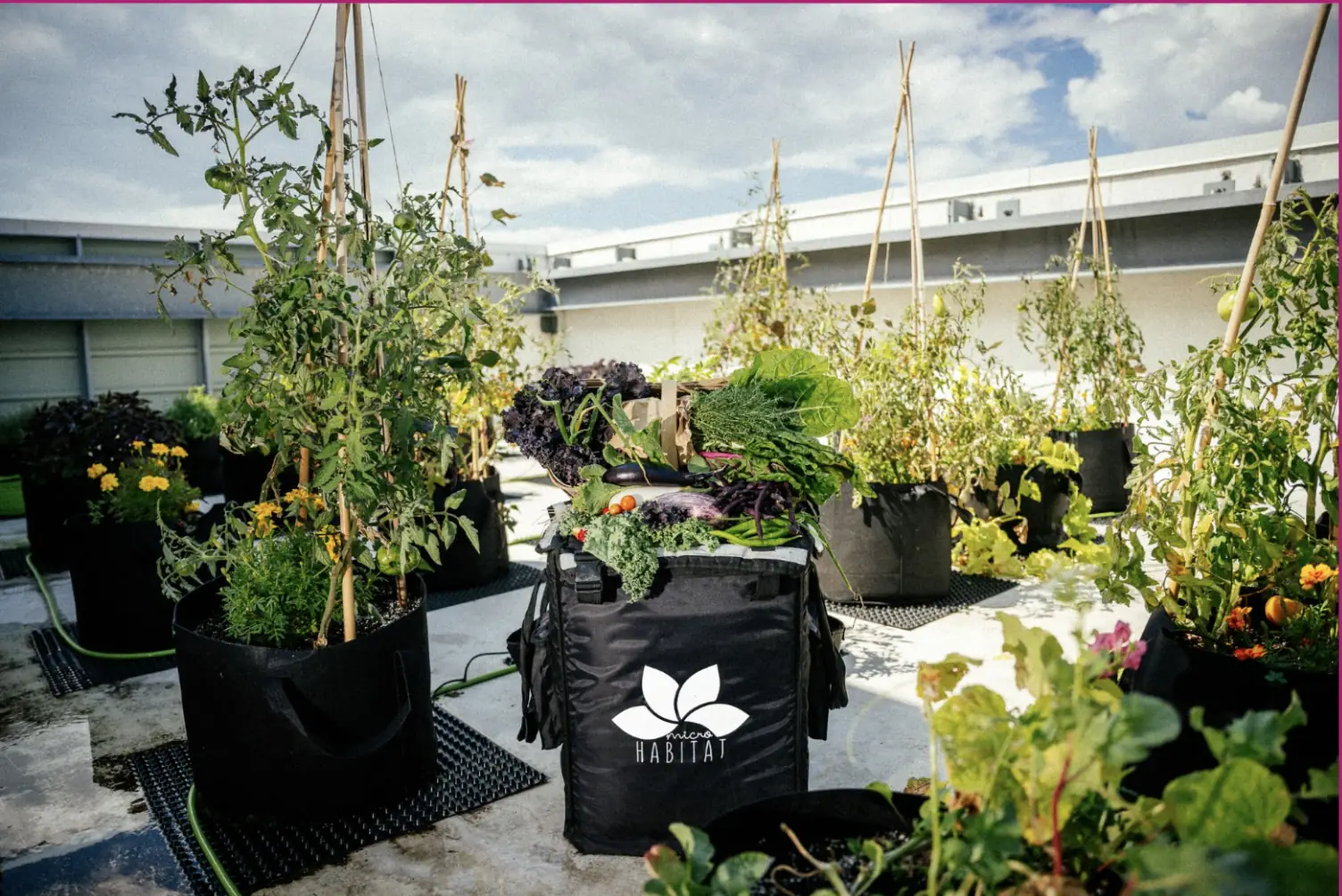
A lobby table where your farmer shares the week's harvest, on the same day and at the same hour every week of the growing season.
- What it takes: an on-site farm, a lobby spot on the main path, a season-long sign and a farmer on a fixed weekly slot.
- How to measure it: visitors per session, returning visitors and pounds of produce handed out.
2. Farm stories in tenant communications
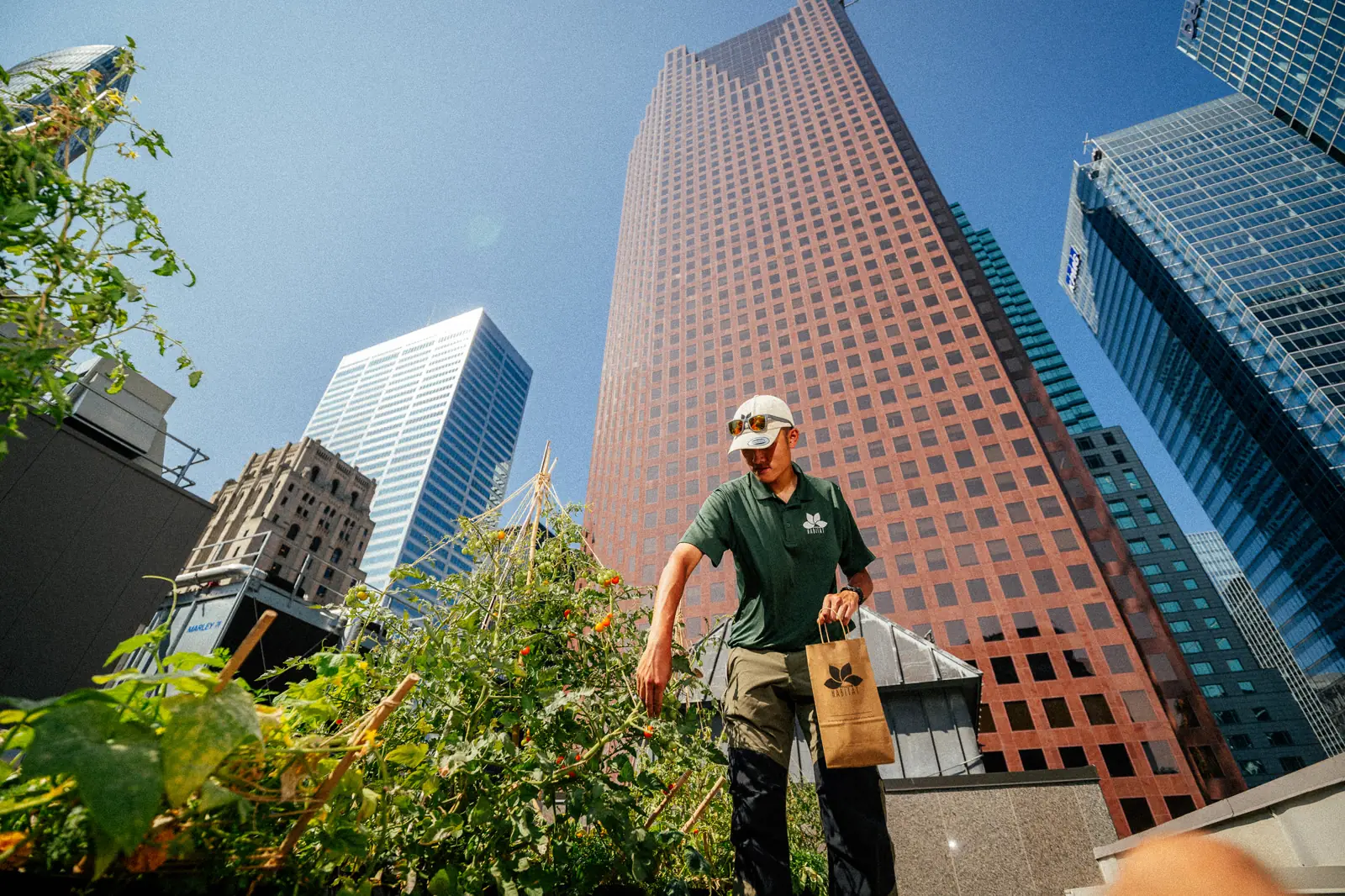
Short updates on what was planted, what is ready and what the pollinators are doing, shared where tenants already read. For a marketing team, it is steady content that needs no photo shoot.
- What it takes: a farmer who shares photos and notes, plus a standing slot in your newsletter, tenant app or lobby screen. MicroHabitat farmers post updates to MyUrbanFarm that you can reuse.
- How to measure it: opens and clicks on farm items compared with the rest of the newsletter, and the replies they bring in.
3. Local-maker pop-up market
A monthly lunchtime market where neighbourhood businesses sell food, flowers or goods in the lobby, connecting the building to its street.
- What it takes: tables and power, a vendor agreement covering insurance and permits, and someone to recruit and rotate vendors.
- How to measure it: foot traffic during market hours, vendors who ask to return and tenant comments.
4. Seasonal charity drive
A building-wide collection with a goal and a deadline, such as winter coats or food for a local food bank, that gives tenants from different companies a shared target.
- What it takes: a partner organization, collection bins in the lobby, a visible progress tracker and a confirmed pickup date.
- How to measure it: items or pounds collected, tenant companies taking part and progress against the goal you announced.
Which booked programs build deeper connections?
Booked programs build deeper connections because a small group spends the same hour together, talking or working with their hands. They reach fewer people than a drop-in, but they are where tenants from different floors get to know each other.
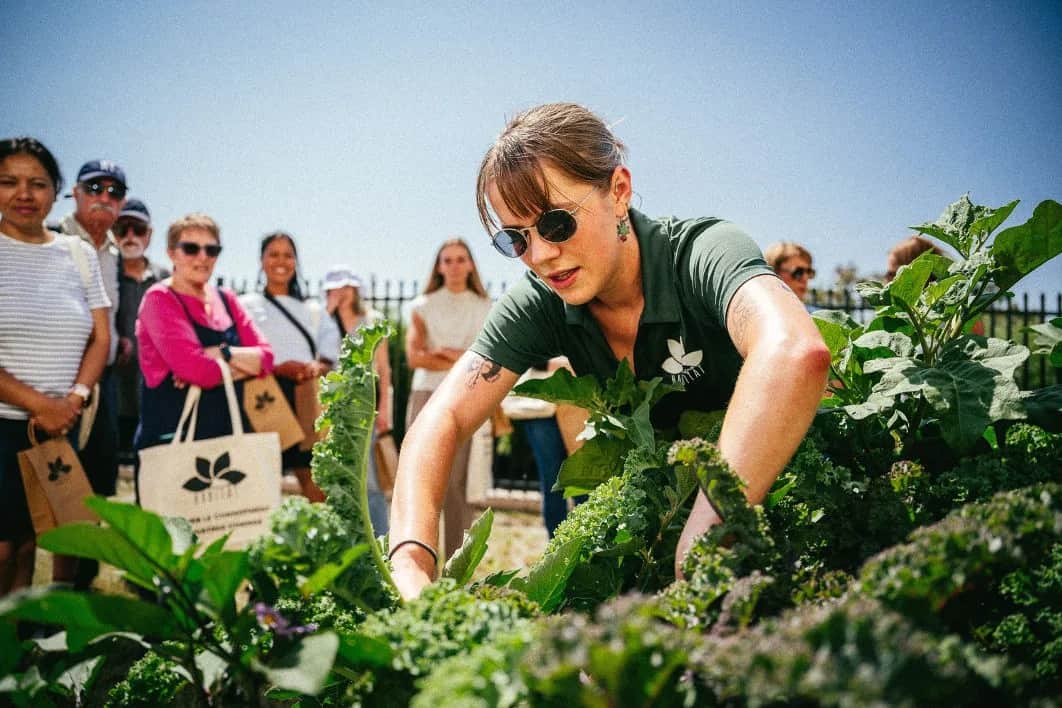
5. Lunchtime farm tours
A half-hour walk through the farm with the farmer, in groups sized to the space. It is the most direct way to show tenants what their building grows.
- What it takes: safe access to the farm, a short safety briefing, a sign-up with a waitlist and a farmer free at lunch.
- How to measure it: check-ins against sign-ups, waitlist length and how many attendees book a second program.
6. Hands-on garden workshops
Practical sessions led by the farmer, such as planting seedlings, propagating herbs or saving seeds. Our educational activities show the formats MicroHabitat already runs.
- What it takes: a session plan, materials for each participant, a covered backup space and registration.
- How to measure it: attendance, returning participants and a one-question rating at the end: "Would you come again?"
7. Harvest tasting
A short tasting built on the week's harvest, prepared with the building's café or a caterer. It lets tenants taste what grew a few floors up.
- What it takes: a food partner who follows local food-safety rules, a harvest large enough to share and a sign-up to plan quantities.
- How to measure it: seats filled, the share of first-time attendees and feedback on what to serve next.
8. Lunchtime wellness sessions
Recurring yoga, walking or breathing sessions in an amenity room, the lobby or outdoors. They work in any building and feel different in a green setting.
- What it takes: a qualified instructor, a bookable room and a regular slot on a busy weekday.
- How to measure it: attendance against bookings and the number of people who come three or more times.
9. New-tenant welcome session
A short session for people who have just moved in, covering the amenities, the property team, the farmer and what is coming up on the calendar.
- What it takes: a list of new arrivals from each tenant's office contact, a monthly or quarterly slot and a one-page building guide.
- How to measure it: the share of new arrivals who attend, and their tenant survey results compared with those who did not.
Which programs give tenants an ongoing role?
Programs with an ongoing role create the strongest ties because tenants shape them over weeks or months. They take the most coordination, so launch them once a drop-in program and a booked program run smoothly.
10. Food bank harvest crew
A rotating group of tenant volunteers who help the farmer harvest a share of the produce for a partner food bank. MicroHabitat works with 35+ food banks, and our urban solidarity farms show how rooftop harvests reach them.
- What it takes: a food bank partner, a harvest schedule, a sign-up for each shift and a simple waiver.
- How to measure it: volunteer hours, pounds donated and the tenant companies represented on the crew.
11. Floor-by-floor sustainability challenge
A friendly competition between floors or tenant companies to cut waste, recycle more or save energy over a set period, with results posted in the lobby.
- What it takes: data by floor or tenant, such as waste audits or sub-metered energy, a champion on each team and a small prize.
- How to measure it: change against a baseline taken before the challenge, participation by floor and how much of the change lasts.
12. Tenant advisory group
Tenant representatives who meet the property team each quarter to review what works and suggest what to try next, so engagement is done with tenants, not for them.
- What it takes: four to eight volunteers from different companies, a standing agenda and a record of what changed because of their input.
- How to measure it: meeting attendance, suggestions adopted and results from your annual tenant satisfaction survey.
How do you measure tenant engagement across all 12 programs?
Measure tenant engagement by counting the same four things for every program: reach (who took part), repeat (who came back), outcome (what it produced) and satisfaction (what tenants said).
A shared log with the date, program, headcount, repeat attendees, outcome and one line of feedback lets you compare a harvest market with a wellness class and show the trend over a year. The table sums up what each program asks of tenants and what to count.
| Program | Farm-based | What it asks of tenants | What to count |
|---|---|---|---|
| 1. Weekly harvest market | Yes | A few minutes | Visitors, returning visitors, pounds handed out |
| 2. Farm stories in tenant communications | Yes | A few minutes | Opens, clicks, replies |
| 3. Local-maker pop-up market | No | A few minutes | Foot traffic, returning vendors |
| 4. Seasonal charity drive | No | A few minutes | Items collected, companies taking part |
| 5. Lunchtime farm tours | Yes | One booked session | Check-ins against sign-ups |
| 6. Hands-on garden workshops | Yes | One booked session | Attendance, returning participants |
| 7. Harvest tasting | Yes | One booked session | Seats filled, first-time attendees |
| 8. Lunchtime wellness sessions | No | One booked session | Attendance against bookings |
| 9. New-tenant welcome session | No | One booked session | Share of new arrivals attending |
| 10. Food bank harvest crew | Yes | A recurring role | Volunteer hours, pounds donated |
| 11. Floor-by-floor sustainability challenge | No | A recurring role | Change against baseline |
| 12. Tenant advisory group | No | A recurring role | Suggestions adopted, survey results |
The same log supports sustainability reporting. GRESB's Real Estate Assessment includes a tenant engagement program indicator whose listed elements include events focused on sustainability awareness, feedback sessions with individual tenants and tenant sustainability training. A separate tenant satisfaction survey indicator asks whether a survey was run in the last three years and lists measures such as overall satisfaction and Net Promoter Score. Our guide to how urban farming supports a GRESB score shows where farm evidence fits.
Where should a property team start?
Start with three programs, one from each level of commitment, run them for a full season, then keep or replace each one based on what your log shows.
An on-site farm makes that start easier because one partner covers half the list: the harvest market, farm stories, tours, workshops, tastings and food bank crew all draw on the same farm and the same farmer. MicroHabitat runs 250+ urban farms in 20+ cities across North America and Europe. The six building-wide programs then cover what a farm does not, such as welcoming new arrivals, and an indoor farm keeps a harvest going while a rooftop rests for winter. A vibrant tenant community rarely comes from one big launch. It grows from small things done well, every week.
Dig deeper: start from the complete guide to urban farm tenant amenities, plan the year with our rooftop farm events calendar, see the tenant retention strategies that shift renewals, learn how to market a sustainable building and read how MyUrbanFarm puts the farm at the heart of tenant engagement.
For property teams, on-site farms are a practical lever for urban farming in commercial real estate.
Want a tenant engagement program built around a farm on your property? Book a demo and we will show you which of these 12 programs your building can run.